In many data centers, IT and facilities teams operate with different priorities. IT teams focus on uptime, server performance, and application availability. Facilities teams concentrate on power, cooling, and physical infrastructure stability. These responsibilities overlap, but the data that supports them often lives in separate systems.
This separation creates blind spots. When an outage or performance issue occurs, teams may struggle to identify root causes quickly. Data center infrastructure management helps close this gap by creating a shared operational view. It aligns infrastructure data with IT performance metrics, enabling coordinated decision-making across departments.
What Is Data Center Infrastructure Management Used For?
Data center Infrastructure Management unifies IT, power, cooling, and monitoring data. It helps teams improve coordination, reduce downtime risk, optimize energy use, and make infrastructure decisions based on real operational conditions.
How Does DCIM Help With Data Center Cooling?
DCIM links Data Center Cooling Equipment and HVAC systems with workload and environmental data. This allows teams to adjust cooling output based on actual demand, reduce inefficiencies, and maintain stable operating conditions.
How Does Data Center Infrastructure Management Support Collaboration?
Data center Infrastructure Management platforms act as a centralized layer between IT systems and facility operations. They aggregate information from power, cooling, and environmental systems and present it alongside IT load data.
This shared visibility improves collaboration in several ways:
- IT teams gain insight into how infrastructure conditions affect server performance
- Facilities teams understand how IT demand impacts energy and cooling behavior
By using data center infrastructure management tools, both teams work from the same operational context. This reduces delays, miscommunication, and reactive troubleshooting during critical events.
Why Is Cooling A Shared Responsibility In Modern Data Centers?
Cooling is no longer a facilities-only concern. High-density racks, edge deployments, and variable workloads directly influence thermal conditions. Poor coordination between IT and facilities can result in overcooling, hotspots, or wasted energy.
Modern data center cooling solutions rely on accurate load data and real-time feedback. When IT and facilities teams share this data, cooling strategies become more precise. Cooling output can adjust based on actual demand instead of static assumptions. This improves efficiency while protecting sensitive equipment.
How Do Data Center HVAC Systems Fit Into DCIM Strategies?
Data center HVAC systems play a critical role in maintaining stable operating conditions. Traditional HVAC control often works in isolation, reacting slowly to changes in IT load. DCIM platforms connect HVAC performance with power and workload data.
This integration allows teams to monitor temperature, humidity, and airflow in context. Facilities teams can fine-tune HVAC behavior based on real usage patterns. IT teams gain confidence that environmental conditions support system reliability. This alignment reduces thermal risk and supports long-term infrastructure planning.
What Role Does Data Center Remote Monitoring Play?
Real-time visibility is essential for bridging operational gaps. Data center remote monitoring enables continuous oversight of power, cooling, and environmental conditions across facilities. It removes reliance on manual checks or delayed reporting.
Remote monitoring supports faster response times and proactive maintenance. Alerts highlight anomalies before they escalate into outages. When both IT and facilities teams access the same monitoring data, issue resolution becomes faster and more collaborative.
How Does DCIM Improve Decisions Around Data Center Cooling Equipment?
Selecting and operating data center cooling equipment requires accurate performance data. DCIM platforms provide insight into how cooling assets perform under real operating conditions. This helps teams identify inefficiencies, aging equipment, or capacity constraints.
Better data supports informed decisions about upgrades, maintenance schedules, and expansion plans. It also helps justify investments based on measurable performance improvements rather than assumptions. Over time, this leads to lower operating costs and improved asset life.
What Makes Integrated Platforms More Effective Than Isolated Tools?
Isolated tools limit visibility and slow response times. Integrated platforms combine monitoring, analytics, and automation into a single operational framework. This approach supports both IT and facilities objectives without creating silos.
Key advantages include:
- Unified dashboards showing power, cooling, and workload relationships
- Predictive insights that support proactive maintenance and energy optimization
These capabilities enable teams to move from reactive management to continuous improvement.
How Does PLC Group Support DCIM-Driven Operations?
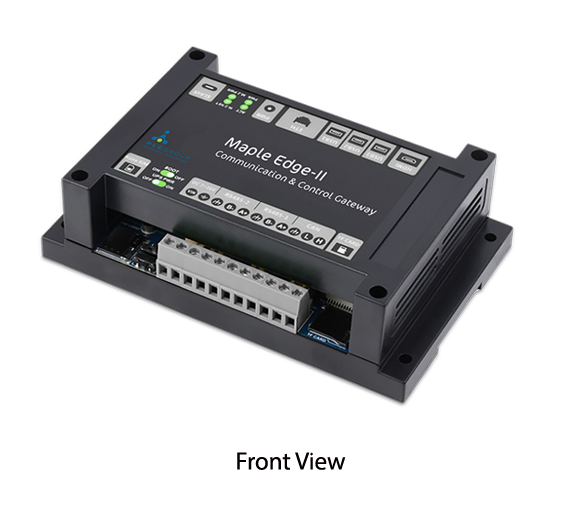
PLC Group provides industrial IoT and remote monitoring solutions designed for critical infrastructure. Its platforms connect energy, cooling, and environmental data into actionable intelligence. Through advanced analytics and automation, PLC Group helps organizations turn operational data into measurable performance gains.
PLC Group supports data centers with scalable monitoring, AI-driven insights, and flexible service models. These capabilities help align IT and facilities teams around shared goals such as uptime, efficiency, and cost control.
How Can Organizations Move Toward Better Alignment?
Bridging the gap between IT and facilities requires more than new tools. It requires shared data, consistent metrics, and integrated workflows. Data center Infrastructure Management provides the foundation for this alignment by connecting systems that traditionally operate apart.
To see how integrated monitoring and actionable intelligence can support better coordination across your data center operations, contact PLC Group to explore DCIM-driven solutions built for critical infrastructure.