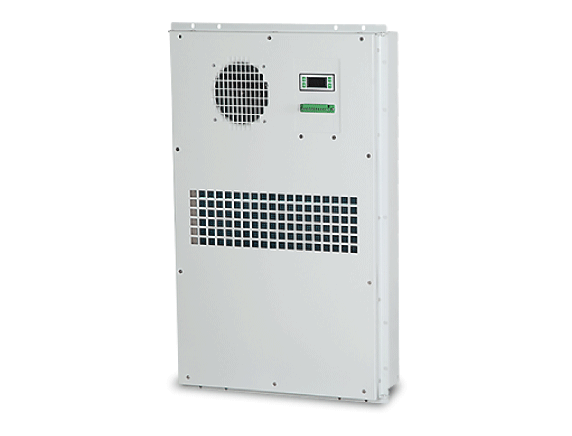
A Cabinet cooling system plays a direct role in protecting sensitive electronics housed inside control panels, telecom cabinets, and server enclosures. When cooling capacity is miscalculated, internal temperatures rise quickly. This leads to reduced equipment life, unstable performance, and unexpected outages.
Critical infrastructure cabinets often operate in sealed or outdoor environments. Heat generated by power supplies, network devices, and control electronics has limited paths to escape. A properly sized cabinet cooling system removes this heat efficiently while maintaining stable internal conditions. Cooling capacity, therefore, becomes a performance and reliability decision rather than a comfort choice.
For organizations managing distributed infrastructure, cooling capacity also affects energy consumption. Oversized systems waste power, while undersized systems struggle to maintain thermal balance. Selecting the right capacity ensures stable operation, predictable operating costs, and reduced maintenance risk.
How do you calculate cooling capacity for a cabinet cooling system?
Cooling capacity is calculated by totaling the heat output of all installed equipment, accounting for airflow efficiency, cabinet size, and ambient temperature conditions.
When is free cooling HVAC suitable for cabinet cooling applications?
Free cooling HVAC is suitable when outdoor air temperatures and air quality allow heat rejection without continuous mechanical cooling, improving energy efficiency.
What Heat Load Must the Cabinet Cooling System Handle?
The first factor in determining cooling capacity is internal heat load. Every electronic component inside the cabinet contributes to the total thermal output. Power supplies, rectifiers, switches, and processors generate continuous heat during operation.
Manufacturers typically list power dissipation values in watts. These values should be totaled to calculate the cabinet’s internal heat load. The Cabinet Cooling System must be capable of removing this heat under peak operating conditions. Ignoring peak load scenarios often leads to cooling shortfalls during high-demand periods.
Heat load calculations should also account for future expansion. Cabinets rarely remain static. Additional equipment increases thermal demand and may exceed the original cooling design if not planned correctly.
How Do Cabinet Size and Airflow Influence Cooling Capacity?
Cabinet dimensions directly affect airflow patterns. Taller or deeper cabinets require different airflow strategies compared to compact enclosures. Poor airflow distribution can create hotspots even when cooling capacity appears adequate.
Air circulation inside the cabinet must allow cooled air to reach all heat-generating components. Obstructions such as cable bundles or dense rack layouts can restrict airflow. In server environments, a server rack cooling Unit may be required to deliver targeted cooling to high-density racks where standard cabinet coolers are insufficient.
Proper airflow planning ensures that cooling capacity translates into real thermal control rather than uneven temperature zones.
How Do Environmental Conditions Affect Cooling Requirements?
Ambient conditions outside the cabinet significantly influence cooling capacity needs. Outdoor cabinets exposed to high temperatures or direct sunlight require higher cooling margins. Indoor cabinets placed near heat-producing equipment also face elevated thermal stress.
In moderate climates, free cooling HVAC strategies may reduce mechanical cooling demand. These systems use cooler ambient air to dissipate heat when conditions allow. Free cooling reduces energy use while maintaining acceptable internal temperatures. However, ambient air quality and humidity levels must be evaluated before relying on this approach.
Environmental assessment ensures the cooling system performs consistently across seasonal temperature variations.
When Should Different Cooling Technologies Be Considered?
Different cabinet environments require different cooling approaches. Cooling capacity decisions often align with technology selection:
- Closed-loop cabinet coolers isolate internal air from contaminants while removing heat.
- Server cabinet cooling solutions provide precision airflow for high-density electronics.
- Free cooling HVAC systems reduce energy consumption in suitable climates.
Each option delivers cooling capacity differently. Selecting the correct technology ensures capacity is applied efficiently without introducing operational risks.
How Does Monitoring Improve Cooling Capacity Decisions?
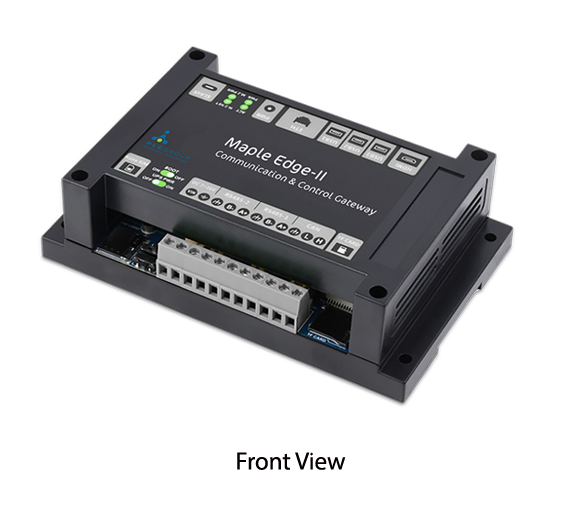
Real-time monitoring plays a growing role in cooling capacity optimization. Static calculations provide a starting point, but operating conditions change over time. Continuous temperature and load monitoring reveal actual cooling performance under real workloads.
Integrated monitoring platforms allow facility teams to track cabinet temperatures, cooling system runtime, and energy usage. Data-driven insights help adjust cooling setpoints and identify underperforming cabinets before failures occur. This approach ensures the Cabinet Cooling System remains aligned with operational demands.
What Role Does Scalability Play in Capacity Planning?
Cooling capacity should support long-term scalability. Cabinets deployed in telecom, data center, or utility environments often evolve as networks expand. Selecting cooling systems with modular or scalable capacity avoids costly retrofits.
Scalable server cabinet cooling solutions allow incremental capacity increases without replacing entire systems. This flexibility supports predictable growth and better capital planning.
Why Does Vendor Expertise Matter in Cooling Capacity Selection?
Cooling capacity decisions benefit from industry-specific expertise. Infrastructure environments differ significantly across telecom, data centers, and utilities. A vendor experienced in these sectors understands regulatory requirements, uptime expectations, and energy efficiency goals.
PLC Group brings this expertise through integrated cooling, monitoring, and analytics solutions. PLC Group combines cooling systems with remote monitoring and actionable intelligence, enabling capacity decisions based on real operational data rather than assumptions.
How Can the Right Cooling Capacity Deliver Long-Term Value?
Properly sized cooling systems extend equipment life, reduce energy waste, and prevent downtime. Cooling capacity decisions influence operational costs for years after deployment. When aligned with monitoring and analytics, cooling systems become a proactive asset rather than a reactive fix.
Organizations that invest in accurate capacity planning gain predictable performance and stronger infrastructure resilience.
Ready to Optimize Cabinet Cooling Performance?
Selecting the right cooling capacity requires technical insight, environmental awareness, and real-time visibility. PLC Group delivers integrated cabinet cooling, monitoring, and analytics solutions that help critical infrastructure operators protect assets and control operating costs.
Contact PLC Group to evaluate cabinet cooling requirements and build a scalable, data-driven cooling strategy.