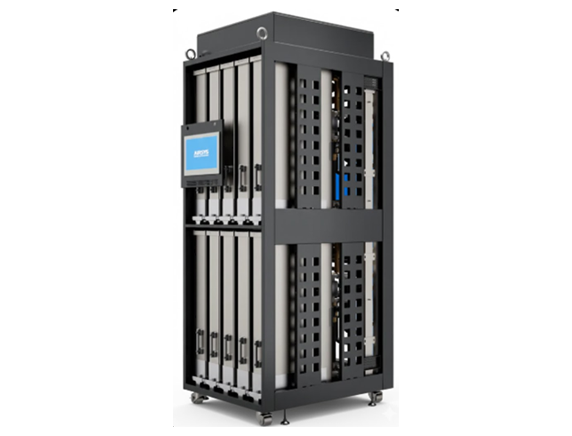
Cooling infrastructure plays a critical role in data centers and telecommunications facilities where equipment operates continuously and generates significant heat loads. Traditional cooling systems often rely on static configurations that fail to adapt to dynamic operational demands.
Cooling as a service is transforming how organizations deploy and manage thermal infrastructure. Instead of maintaining cooling equipment internally, organizations rely on managed industrial cooling solutions that are monitored, optimized, and maintained through service-based delivery models.
A key component that makes these models effective is real-time monitoring. Continuous data collection and analytics allow service providers to manage performance, prevent failures, and improve efficiency across distributed infrastructure environments.
Why Cooling-as-a-Service Requires Real-Time Monitoring
Cooling-as-a-service models depend on data visibility and operational insights. Without continuous monitoring, it becomes difficult to maintain stable conditions in facilities where uptime and reliability are essential.
Modern data centers and telecom sites operate in complex environments with varying workloads, fluctuating temperatures, and changing power demands. Real-time monitoring helps operators track these conditions and adjust cooling performance instantly.
In a service-based model, monitoring platforms provide operators with centralized control over cooling assets across multiple facilities. This allows teams to analyze temperature trends, detect inefficiencies, and implement predictive maintenance before issues affect operations.
How Real-Time Monitoring Supports Cooling-as-a-Service
Real-time monitoring plays several critical roles in ensuring that cooling as a service delivers measurable value for operators and facility managers.
- Continuous Environmental Monitoring
Sensors and monitoring systems track temperature, humidity, airflow, and power consumption across equipment racks and cooling infrastructure.
This data allows operators to maintain stable environmental conditions and prevent hotspots that could damage critical hardware.
- Predictive Maintenance and Fault Detection
Monitoring platforms analyze operational data to identify patterns that indicate potential equipment failure.
Instead of reacting to system failures, service providers can schedule maintenance proactively and avoid unexpected downtime.
- Energy Optimization
Cooling systems often account for a large portion of facility energy consumption. Monitoring tools track performance metrics and adjust cooling output based on real-time demand.
This improves energy efficiency and reduces operating costs while maintaining stable thermal conditions.
- Remote Infrastructure Management
Many telecom and edge data center sites operate in remote locations. Monitoring platforms enable centralized management of telecom cooling infrastructure without requiring on-site intervention.
Operators can diagnose issues, configure equipment, and adjust system parameters remotely.
Real-Time Monitoring in Industrial Cooling Solutions
Modern industrial cooling solutions integrate monitoring platforms with automation systems to ensure consistent performance across facilities.
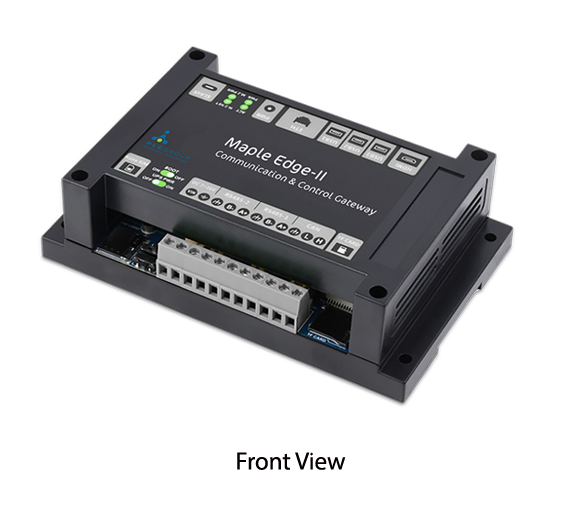
Cooling equipment can communicate with monitoring platforms through standardized protocols such as SNMP, Modbus, and IoT connectivity. This integration allows operational teams to track equipment status and performance metrics in real time.
For data center operators, this level of visibility enables better control over cooling efficiency and power usage effectiveness (PUE). For telecom operators managing distributed base stations and switching facilities, monitoring systems ensure that cooling infrastructure remains operational even in remote locations.
Improving Telecom Infrastructure Reliability
Telecommunications networks rely on continuous operation. Base stations, switching equipment, and network infrastructure generate heat and require stable environmental conditions.
Real-time monitoring ensures that telecom cooling systems maintain the required temperature ranges across network facilities.
Monitoring platforms provide alerts when temperature thresholds are exceeded or when cooling equipment performance drops. This allows network operators to respond quickly and maintain service reliability.
In addition to improving operational stability, monitoring systems also help telecom operators optimize energy consumption and reduce operational costs across thousands of distributed sites.
The Business Benefits of Monitoring-Driven Cooling Services
Cooling-as-a-service models deliver several strategic advantages when combined with real-time monitoring capabilities :
- Reduced Operational Risk
Continuous monitoring helps detect anomalies before they develop into system failures. This reduces the likelihood of downtime in mission-critical facilities.
- Improved Energy Efficiency
Monitoring platforms track power usage and cooling performance, allowing operators to optimize energy consumption and reduce unnecessary cooling loads.
- Scalable Infrastructure Management
Organizations operating multiple facilities can monitor cooling infrastructure through centralized dashboards, making it easier to manage distributed environments.
- Better Decision-Making Through Data
Real-time analytics provide actionable insights into facility performance. Operators can evaluate cooling efficiency, identify underperforming assets, and plan upgrades based on operational data.
Integration with Intelligent Monitoring Platforms
Cooling-as-a-service models are increasingly integrated with intelligent monitoring platforms that combine analytics, automation, and predictive insights.
These platforms collect data from sensors, cooling units, and facility infrastructure. The data is analyzed to identify performance trends, generate alerts, and provide recommendations for optimization.
Advanced platforms also use artificial intelligence and machine learning to improve forecasting and predictive maintenance. This helps organizations maintain optimal cooling performance while minimizing operational costs.
The Future of Cooling-as-a-Service
As digital infrastructure continues to expand, cooling systems must become more intelligent, efficient, and scalable.
Real-time monitoring will remain a central component of the cooling as a service model because it enables continuous optimization of thermal environments.
Data centers, telecom facilities, and industrial environments are increasingly adopting monitoring-driven cooling strategies to improve reliability and energy performance.
By combining advanced industrial cooling solutions with intelligent monitoring platforms, organizations can achieve greater operational resilience, reduce costs, and maintain stable infrastructure performance in demanding environments.