PLC Group developed the TCU-MiniT controller to support critical infrastructure environments that require stable monitoring, automation, and energy management. The controller helps facilities maintain operational visibility while improving system coordination across HVAC equipment, power systems, and remote infrastructure assets.
As an industrial IoT controller, the TCU-MiniT supports real-time communication between connected devices, automation platforms, and remote monitoring applications. The system fits telecommunications facilities, edge computing environments, data centers, utilities, and industrial infrastructure where uptime and efficiency remain operational priorities.
What Is a TCU-MiniT Controller?
The TCU-MiniT controller is an industrial IoT controller designed for remote monitoring, HVAC automation, and edge-based facility control in critical infrastructure environments.
How Does the TCU-MiniT Industrial Controller Support Facility Operations?
The TCU-MiniT industrial controller combines monitoring, automation, and control functions within a compact edge-based platform. PLC Group designed the solution to help operators simplify infrastructure management while maintaining visibility into environmental conditions, cooling systems, alarms, and energy usage.
The controller supports centralized management through a remote monitoring and control system that connects field equipment with analytics and operational dashboards. This structure allows facility teams to monitor conditions, respond to alarms, and optimize performance from a single environment.
Facilities often use the TCU-MiniT power controller to manage:
- HVAC equipment and airflow systems
- Free cooling operations
- Power monitoring devices
- Generator and battery systems
- Environmental sensors
- Remote telemetry equipment
The platform also supports integration with industrial automation systems using standard communication protocols for easier deployment across mixed infrastructure environments.

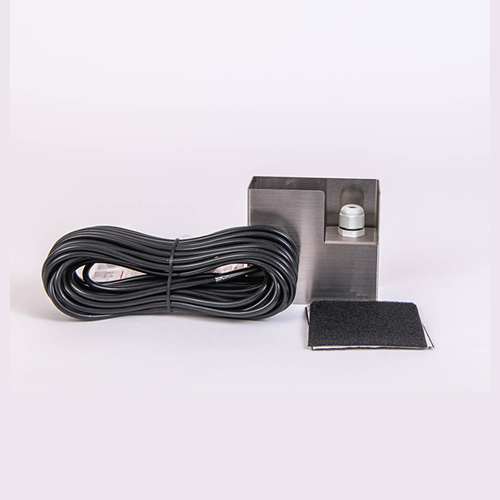
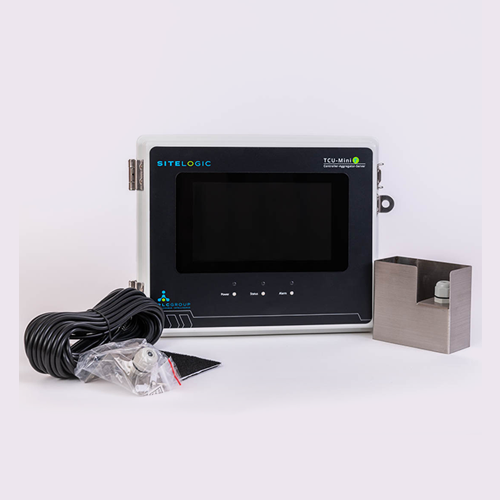
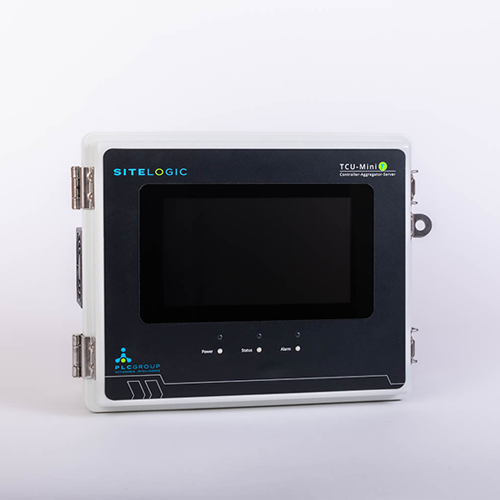
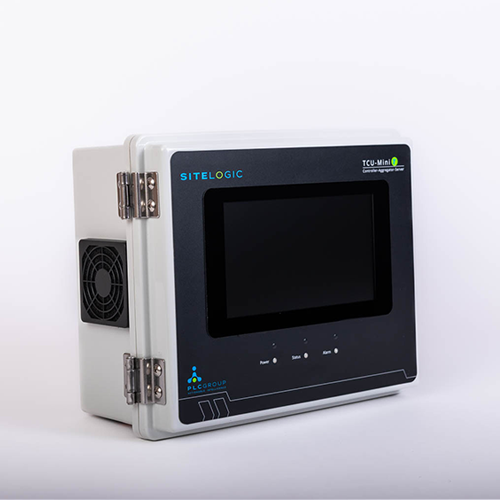
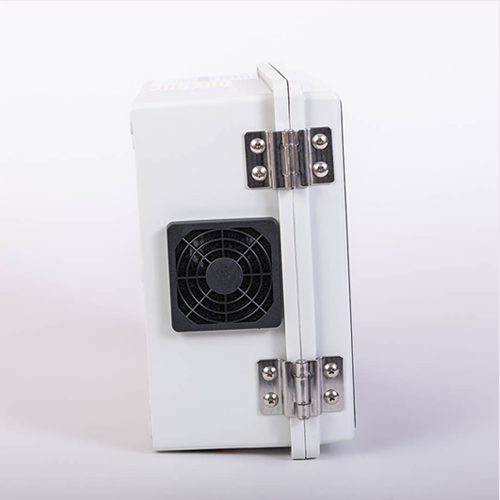
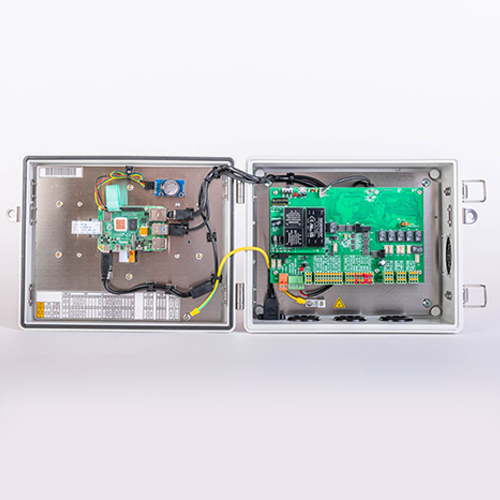
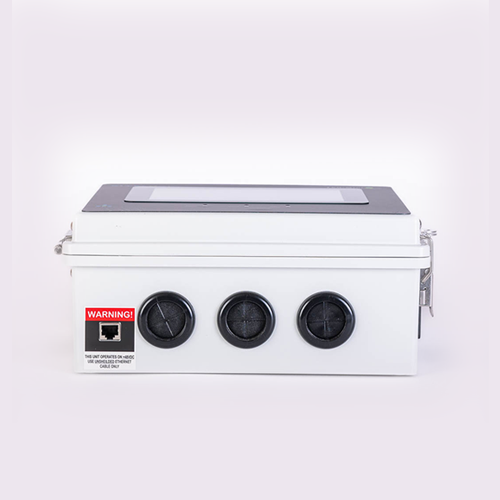
TCU-MiniT Power Controller for HVAC and Energy Management
PLC Group designed the TCU-MiniT power controller to support intelligent energy control strategies in facilities with changing operational demands. The controller helps teams monitor energy usage patterns, automate cooling responses, and improve power utilization efficiency.
As an HVAC automation controller, the system supports:
- Temperature-based cooling adjustments
- Intelligent fan and compressor sequencing
- Alarm notifications for operational changes
- Remote equipment control
- Automated scheduling for cooling systems
The TCU-MiniT also functions as a free air cooling controller for facilities that use economization strategies to reduce mechanical cooling demand. By monitoring environmental conditions in real time, the controller helps operators increase cooling efficiency while lowering unnecessary energy consumption.
Why Do Facilities Use an Edge Control System?
Critical facilities often require local decision-making capabilities without depending entirely on centralized cloud infrastructure. The TCU-MiniT operates as an edge control system that processes operational data directly at the site level.
This local processing capability helps facilities:
- Reduce communication latency
- Improve response times for alarms
- Maintain operational continuity during network interruptions
- Support remote site automation
- Simplify distributed infrastructure management
PLC Group integrates the TCU-MiniT controller with broader monitoring ecosystems to provide operational visibility across multiple facilities while maintaining local control functionality.
TCU-MiniT Controller Integration Across Industrial Infrastructure
The TCU-MiniT industrial controller supports integration with multiple platforms and equipment types commonly used in critical environments. The controller works within industrial automation controller architectures where interoperability and flexibility remain essential.
Supported integration capabilities include:
- SNMP communication
- Modbus connectivity
- HVAC system integration
- Sensor and transducer monitoring
- Building management system compatibility
- Remote firmware and configuration management
These capabilities allow the smart facility controller to support both intelligent and non-intelligent infrastructure equipment across operational environments.
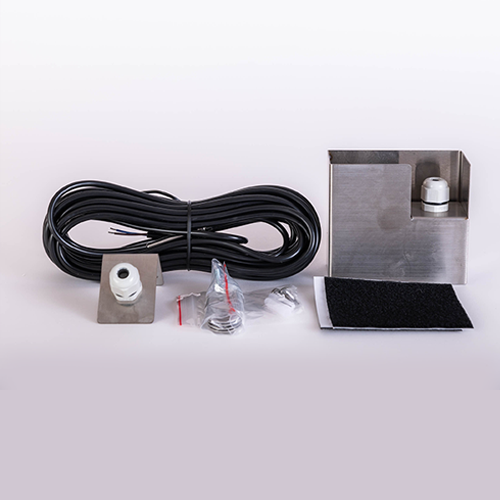
Smart Facility Controller for Remote Monitoring and Control
Modern infrastructure facilities require continuous visibility into cooling performance, power conditions, and operational health. PLC Group connects the TCU-MiniT with its remote monitoring and control system to provide centralized dashboards, analytics, and automated alarm management.
The platform helps organizations:
- Monitor infrastructure performance in real time
- Detect operational anomalies early
- Improve asset reliability
- Support predictive maintenance strategies
- Optimize cooling and energy usage
- Maintain uptime across distributed facilities
The TCU-MiniT controller supports organizations looking for an industrial IoT controller that combines local automation, edge intelligence, and centralized infrastructure monitoring within a single operational framework.