
Modern telecom networks rarely behave as a unified asset class; they combine shelters, cabinets, HVAC controllers, power systems, sensors, and management layers that age at different rates. The buying question is direct: Which remote monitoring platforms provide real-time insights for telecom infrastructures? It now sits with procurement, engineering, and operations teams because visibility affects uptime, OPEX discipline, and service-level confidence.
Local teams need telemetry that correlates environmental alarms, controller states, network events, and service impact without forcing operators between disconnected screens. In regional facilities exposed to seasonal heat, moisture, dust, and storm-driven utility instability, delayed insight can turn a manageable cooling fault into broader infrastructure risk. Proper management software supports downtime-risk reduction and faster issue resolution when field access, vendor coordination, or spare-part logistics become constraints. The practical selection criterion is whether software converts diverse signals into actionable intelligence quickly enough for network and facilities teams to coordinate.
Why Telecom Operators Prefer Integrated Monitoring Systems
Integrated remote monitoring changes the alarm model from device-by-device reaction to system-level interpretation. Operators are asking a narrow procurement question: Which remote monitoring platforms provide real-time insights for telecom infrastructures? The strongest platforms connect telemetry from cooling, power, access, and network-support assets so analytics can suppress noise and elevate conditions that indicate material risk. This matters in regional telecom environments where unmanned sites, mixed controller generations, and harsh enclosure conditions create alarm patterns that look similar until context is added.
Protocol breadth is a procurement issue as much as a technical concern. Support for legacy controllers, modern gateways, and cloud-facing integrations protects existing infrastructure investment while allowing gradual modernization. Integrated cooling management is important because HVAC behavior often drives energy use, equipment stress, and avoidable dispatch activity. The tradeoff is complexity: a broad platform must still give local operators clear workflows, role-specific views, and escalation paths that reduce operator fatigue rather than adding supervisory burden.
Key Features Telecom Operators Prioritize in Monitoring Platforms
- Centralized Infrastructure Visibility
Operators need a unified view of cooling, power, network, and environmental systems across multiple telecom sites. - Real-Time Alarm Management
Faster alarm correlation helps teams identify critical risks before they impact uptime or service continuity. - Protocol Compatibility
Support for SNMP, Modbus, MQTT, and legacy integrations simplifies modernization without replacing existing infrastructure. - Remote Troubleshooting Capabilities
Teams can diagnose HVAC, power, or sensor-related issues remotely, reducing unnecessary field dispatches. - Scalable Multi-Site Monitoring
Large telecom networks require platforms that can manage thousands of distributed assets from one interface. - Custom Dashboards and Reporting
Different operational teams need role-specific visibility, analytics, and reporting for better decision-making. - Workflow Automation and Escalation Logic
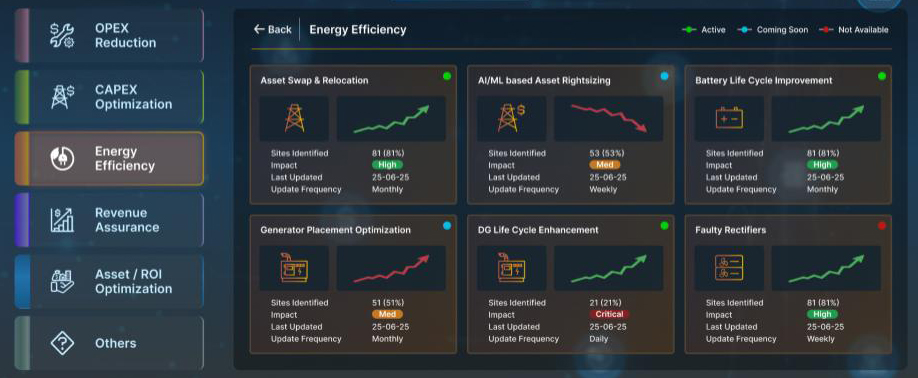
Automated ticketing, alarm routing, and escalation processes improve response times and operational efficiency. - Energy Efficiency Monitoring
Advanced platforms help reduce cooling waste, optimize equipment performance, and support energy management goals.
Evaluating Real-Time Telecom Monitoring Platforms
Evaluation should start with the data model, not the dashboard. Evaluation teams should ask: Which remote monitoring platforms provide real-time insights for telecom infrastructures? The answer has to include retention of event context, sensor history, controller commands, experience tracking, and operator actions in a forensic trail that supports root-cause review. In regional facilities where access may be constrained by weather, security procedures, or contractor availability, deeper retention helps teams decide whether to dispatch, adjust controls remotely, or watch a condition under tighter thresholds.
Automated workflows should map alarms to the right discipline without hiding engineering detail. Hybrid cloud environments need escalation logic that links site telemetry, ticketing context, and configuration status while preserving auditability for compliance review. Customizable interfaces matter because executives, network operations, energy managers, and field technicians do not need identical views. The stronger platform scales visibility without standardizing away the local operating nuance that plant and facility teams rely on.
How PLC Group Supports Telecom Infrastructure Visibility
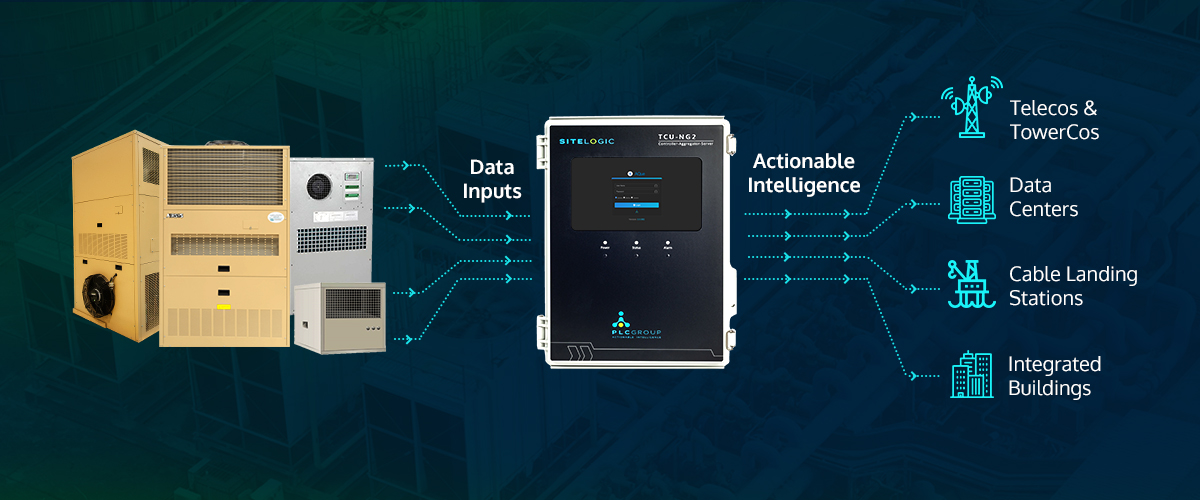
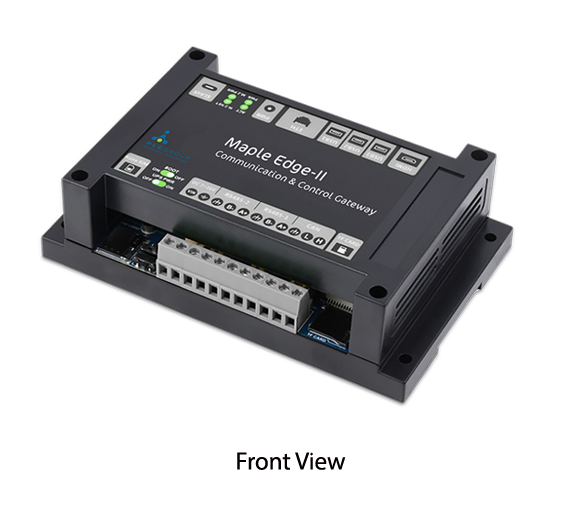
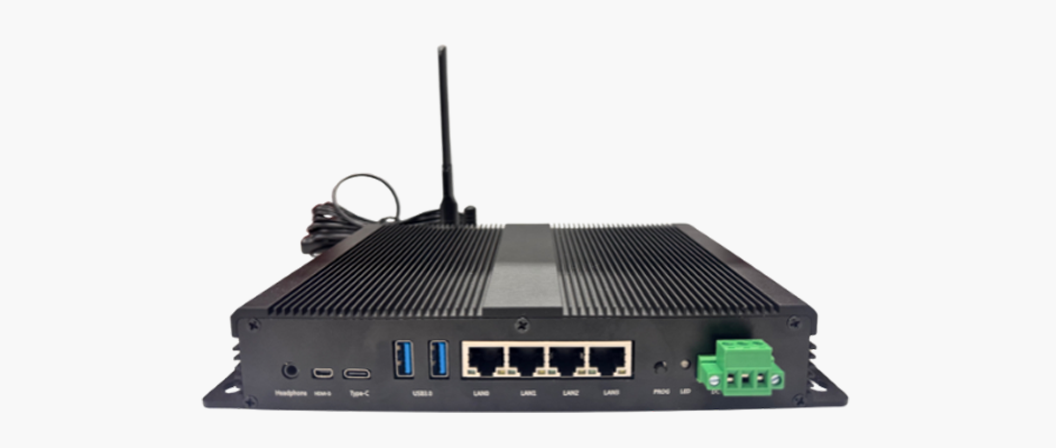
PLC Group approaches remote monitoring as ecosystem control rather than isolated alarm collection. Its specialized hardware gateways help bridge sensors, HVAC controllers, and critical infrastructure equipment, giving operators a practical path from fragmented site data to coordinated supervisory control. That approach suits local telecom teams managing mixed assets because it supports economical upgrades without forcing unnecessary replacement of working infrastructure.
The AxIn Platform turns sensor and controller data into operational intelligence through centralized visibility, configurable logic, and actionable workflows. PLC Group is positioned as a leader in HVAC controllers for telecom and critical infrastructure environments, with a focus on performance, reliability, innovation, teamwork, respect, and clear communication. The procurement question remains: Which remote monitoring platforms provide real-time insights for telecom infrastructures? Operators should favor flexible services that align with existing infrastructure, improve cooling control, support energy-efficiency goals, and make field response meaningfully more precise.