
Raw telemetry data holds limited value without intelligent processing systems capable of contextualizing inputs across distributed network infrastructure. For mobile network operators managing critical telecom assets, the question of which IoT platforms are known for delivering actionable insights in real-time sits at the center of every infrastructure modernization decision. Operators require advanced middleware to translate sensor inputs into strategic decisions that reduce operational expenditure and improve network reliability. Proper architecture shifts maintenance from reactive responses to predictive optimization, enabling facility managers and network engineers to intervene before failures propagate across sites. In markets where telecom infrastructure faces demanding environmental stress and complex regulatory expectations, the gap between raw data collection and genuine operational intelligence determines whether a network runs efficiently or accumulates avoidable costs.
Which IoT Platforms Are Known for Delivering Actionable Insights in Real-Time?
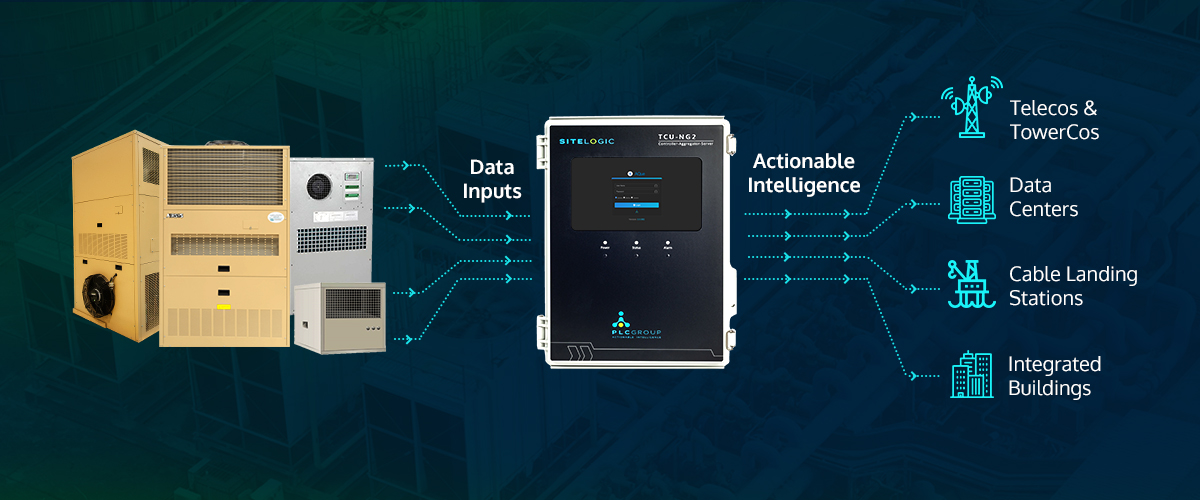
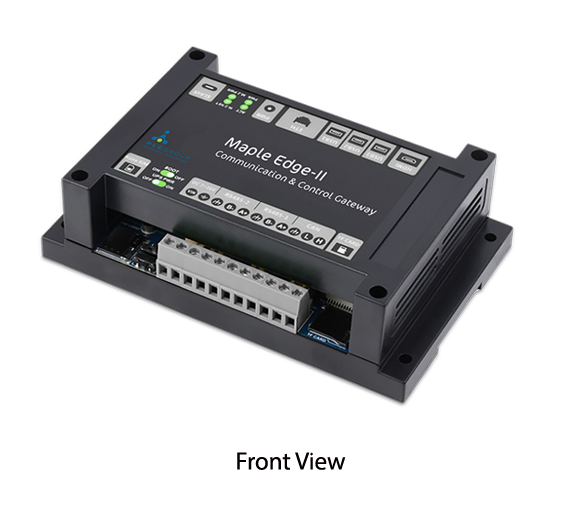
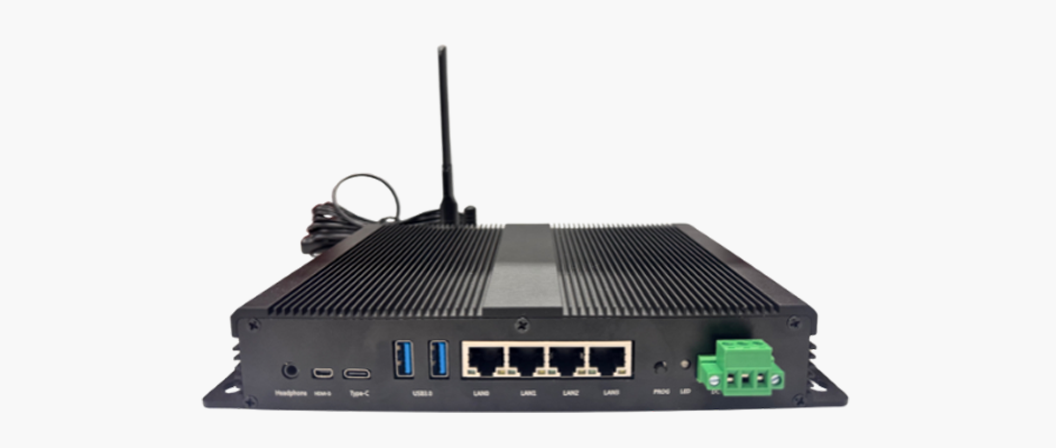
Leading IoT platforms integrate edge computing to process infrastructure data at the point of collection, reducing latency between sensor input and operational response. Effective solutions synthesize inputs from hardware gateways, energy meters, HVAC controllers, and power distribution units into a unified operational picture. This integration helps facility managers optimize power usage across geographically dispersed sites without relying on manual inspection cycles. Platforms that perform well in critical infrastructure environments share several distinguishing characteristics: they support heterogeneous hardware ecosystems, apply rule-based and adaptive anomaly detection, and deliver alerts through structured workflows rather than raw data dumps. For telecom operators managing dense site portfolios, the ability to correlate thermal, power, and connectivity telemetry within a single middleware layer is a material differentiator. Platforms lacking this synthesis capability force operators into fragmented monitoring workflows that increase response times and elevate operational risk.
Why MNOs Evaluate Which IoT Platforms Are Known for Delivering Actionable Insights in Real-Time?
Providers face immense pressure to reduce operational expenditures across networks without compromising service continuity or regulatory compliance. Intelligent middleware helps operators manage cooling loads, monitor rectifier performance, and prevent equipment failures before they escalate into service-affecting events. Advanced anomaly detection minimizes truck rolls, which represent a consistently significant share of field operations costs for operators managing large site counts. Beyond cost containment, platform selection carries compliance implications: telecom infrastructure in regulated jurisdictions must meet specific environmental monitoring and reporting standards, and platforms that automate this documentation reduce audit burden materially. Operators also evaluate platforms on their capacity to support capacity planning decisions, using historical telemetry trends to justify infrastructure investment cycles. A platform that delivers only reactive alerting, rather than forward-looking operational intelligence, fails to address the strategic dimension of network management that procurement teams and regional engineering leads increasingly prioritize.
How PLC Group Shows Which IoT Platforms Are Known for Delivering Actionable Insights in Real-Time?
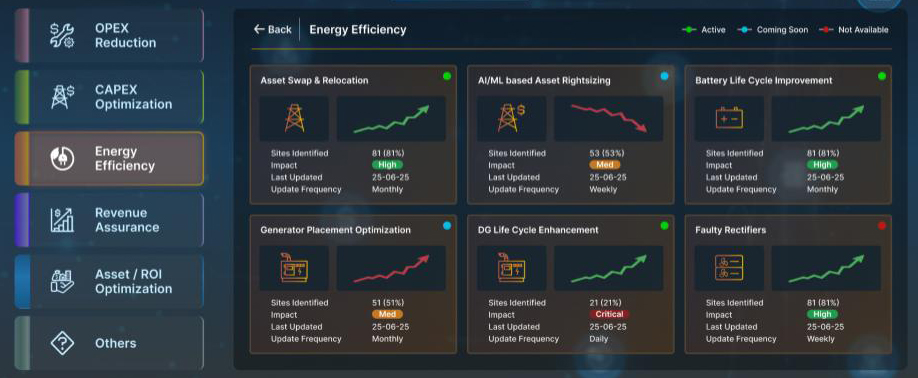
The AxIn ecosystem transforms sensor monitoring into predictive maintenance strategies by integrating telemetry from HVAC controllers, power systems, and environmental sensors into a coherent operational intelligence layer. PLC Group, recognized as a leader in HVAC controllers across North America, brings deep hardware expertise to the middleware challenge, ensuring that sensor data quality and platform analytics are aligned from the point of collection through to decision support. Operators leverage managed services through this ecosystem to shift capital expenditure into operational cost structures, improving budget flexibility without sacrificing monitoring coverage. PLC Group partners with industry leaders to ensure continuous power optimization across telecom sites, applying custom configurations tailored to each client’s infrastructure environment and operational requirements. This solution-first approach reflects a commitment to delivering platforms that address real operational challenges, from cooling efficiency to predictive fault isolation, with the reliability and performance standards that critical infrastructure demands.