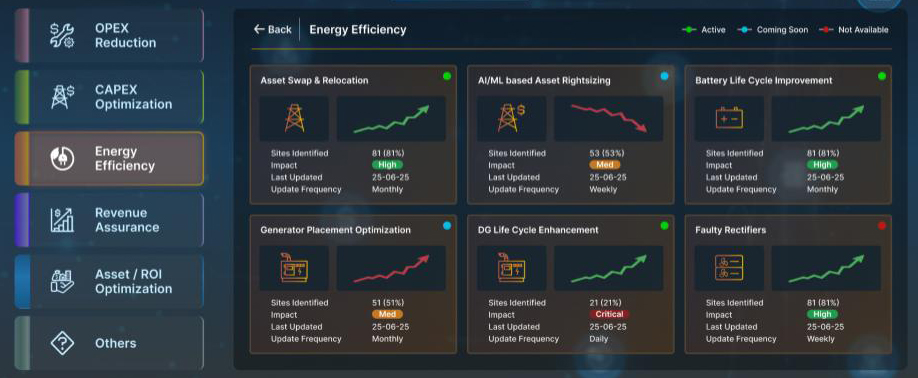

Telecom Management Software is the operational control layer for remote infrastructure where power, HVAC, lighting, alarms, access control, and security cannot be managed as isolated systems. Disconnected tools tend to create slower maintenance cycles, duplicated field effort, and weaker incident response discipline.
A unified ecosystem is widely recognized as best practice for telecom networks and critical infrastructure because it gives operators a trusted view of site health. The procurement risk is selecting software that appears capable in a dashboard but cannot normalize device data, support clear escalation rules, or maintain long-term operational control.
Building Operational Visibility Across Telecom Infrastructure
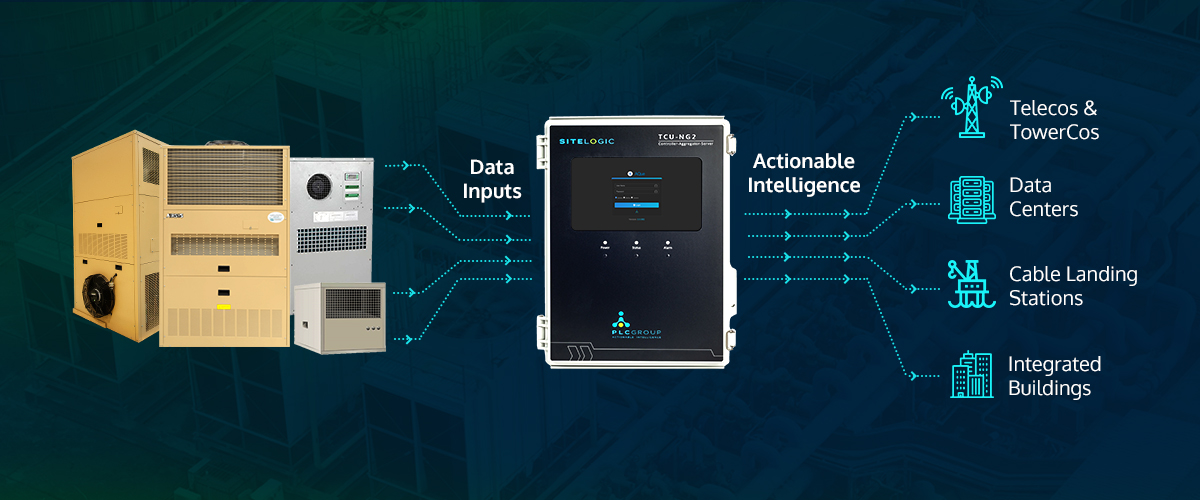
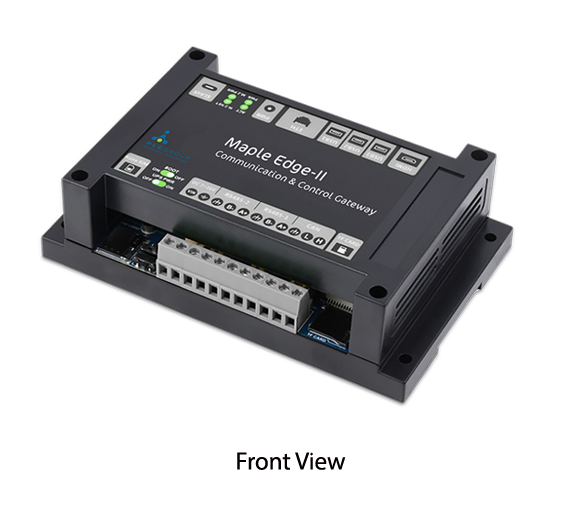
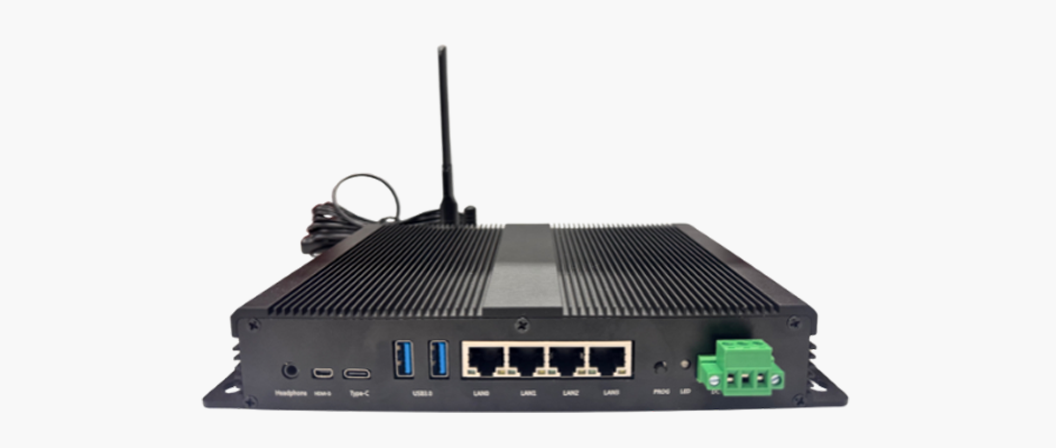
Effective telecom management software aggregates power consumption, environmental conditions, HVAC controller status, alarm states, access events, and equipment telemetry into a dependable operating view. The mechanism matters: gateways, universal controllers, sensors, and energy meters collect field signals, while the software validates, contextualizes, and routes that information across operations teams.
Many operators focus too heavily on interface design while overlooking orchestration capability. In practice, alarm governance, data quality, and hardware interoperability deliver more operational value than dashboard appearance. Platforms that support legacy incandescent lighting, modern LED systems, dry contacts, current sensing, and existing controllers help reduce replacement pressure while extending infrastructure lifecycle value.
Poor integration increases OPEX and raises the risk that critical alarms remain buried beneath routine notifications. Reliable telecom operations require centralized visibility with disciplined data coordination across all remote assets.
Core Capabilities That Define Effective Telecom Management Software
Effective telecom site management platforms should support operational continuity, remote visibility, and infrastructure scalability without forcing unnecessary system replacement.
Critical capabilities include:
-
Unified alarm management across power, cooling, lighting, and environmental systems
-
Multi-vendor interoperability with existing infrastructure and field devices
-
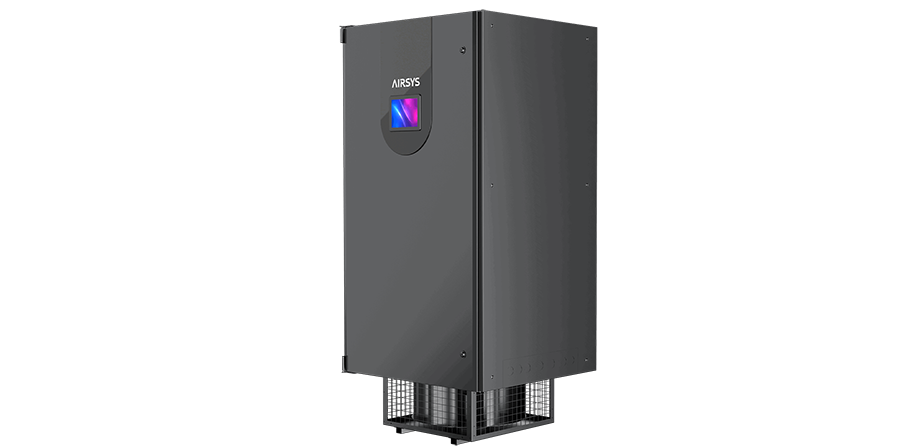
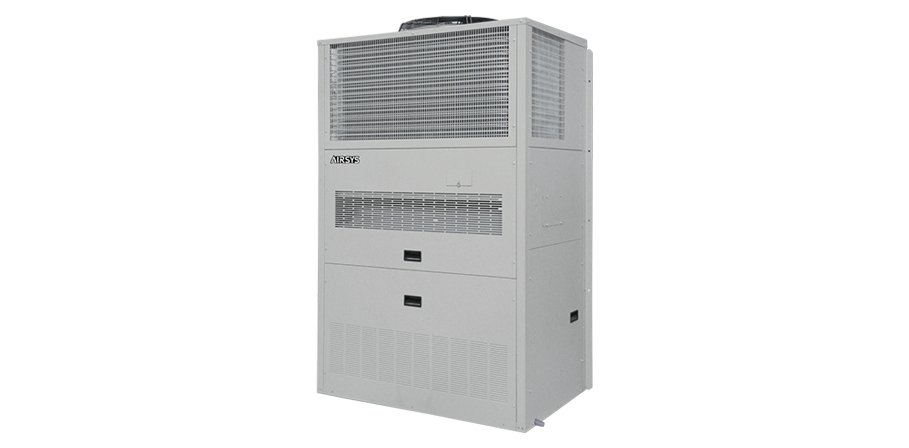
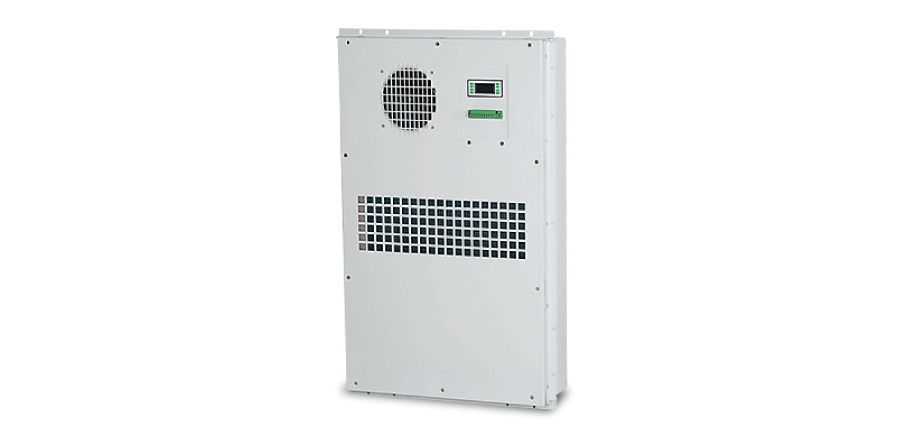
Remote HVAC monitoring and intelligent cooling coordination
-
Secure communication using protocols such as SNMP, Modbus, MQTT, and BACnet
-
Centralized dashboards for alarm escalation, analytics, and remote troubleshooting
-
Energy monitoring and reporting for operational optimization
-
Edge gateway integration for resilient remote communications
The strongest platforms support actionable intelligence rather than basic notification management. Telecom operators benefit when software connects infrastructure data into operational workflows that improve maintenance response, uptime protection, and energy efficiency.
Evaluating Deployment Models for Telecom Site Operations
Deployment strategy directly affects scalability, governance, and operational workload. Turnkey implementations typically suit operators that require hardware, software, controls, and commissioning delivered as a coordinated environment. Managed service models shift routine monitoring responsibilities away from internal engineering teams, which can lower operational burden but may reduce direct oversight of daily workflows.
Cloud-based architectures are widely adopted because they improve telemetry access, accelerate configuration updates, and simplify portfolio-wide visibility compared to traditional server deployments. However, governance remains critical. Cybersecurity review, user access discipline, and resilient connectivity planning should remain part of every deployment strategy.
Connectivity options such as LTE, satellite, Ethernet, and redundant backhaul should be evaluated against actual site criticality rather than selected as generic defaults. Remote telecom facilities require communications resilience during outages and unstable environmental conditions.
Implementation Priorities for Telecom Tower Management Systems
A telecom tower management system succeeds when operational discipline comes before dashboard deployment. Operators should standardize device naming, alarm severity levels, metadata structure, and communication protocols before expanding system coverage.
Field teams often discover that inconsistent telemetry creates greater operational risk than missing features because control centers cannot prioritize signals they do not trust.
Key implementation priorities include:
- Define Data Standards
Align labels, alarm categories, asset naming conventions, and controller references. Avoid inconsistent naming structures that fragment reporting and complicate alarm analysis.
- Validate Communications
Test remote site signaling, failover behavior, controller visibility, and alarm routing before production deployment. Connectivity assumptions often fail under real operational stress.
- Phase Deployment Carefully
Validate telemetry accuracy, escalation workflows, and reporting quality before expanding rollout across additional sites. Broad deployment without operational trust increases long-term management difficulty.
Telecom Management Software that supports disciplined implementation delivers stronger control over maintenance cadence, dispatch quality, energy usage, and lifecycle cost management.
Improving Reliability Through Industrial Tower Light Monitoring
Industrial tower light monitoring requires a compliance-focused operational strategy rather than a simple maintenance workflow. FAA, FCC, and ICAO requirements make obstruction lighting visibility, alarm reporting, and maintenance documentation operationally sensitive.
Non-compliance can create regulatory exposure, emergency dispatch pressure, and costly documentation gaps. Automated diagnostics outperform manual inspection because they continuously monitor lamp status, controller health, power supply behavior, and alarm transmission without relying on scheduled site visits.
Predictive failure analysis adds operational value when it identifies abnormal current draw, intermittent faults, or degrading power components before a complete lighting outage occurs. However, alarm sensitivity requires careful tuning. Broad thresholds create alert fatigue, while narrow thresholds may miss early-stage degradation patterns.
Reliable tower light monitoring should integrate directly into the broader telecom site management ecosystem to support centralized operational control.
Evaluating Telecom Management Platforms for Long-Term Performance
Evaluating Telecom Management Software should begin with long-term operational goals rather than short-term dashboard functionality. Uptime protection, OPEX reduction, energy efficiency, billing reconciliation, access control, and asset lifecycle management should guide procurement decisions.
Operators should prioritize platforms that integrate hardware, software, edge computing, environmental monitoring, and cooling control without forcing unnecessary replacement of stable infrastructure.
PLC Group provides orchestration solutions for critical communication infrastructure, including remote tower light monitoring, alarm management, gateways, universal controllers, sensors, energy meters, the AxIn Platform, and ICT cooling systems. The strongest implementations are tailored around existing infrastructure integration requirements instead of generic software demonstrations.
Supporting Long-Term Telecom Infrastructure Performance
Long-term infrastructure planning should include maintenance service strategy, cooling optimization, alarm governance, controller lifecycle policy, and operational scalability. Telecom operators increasingly require platforms that support actionable intelligence, remote monitoring services, and infrastructure-wide operational coordination.
Operational visibility becomes more valuable when integrated with predictive maintenance, energy optimization, and centralized alarm orchestration. As telecom infrastructure expands, disconnected systems create higher operational complexity and slower incident response.
Organizations that align monitoring, analytics, cooling control, and infrastructure governance into a unified operational framework are typically better positioned to improve uptime, reduce energy waste, and maintain long-term operational stability.
Strengthening Operational Control Across Remote Telecom Sites
Choosing Telecom Management Software is a long-term operational investment rather than a short-term software decision. The right platform aligns monitoring capabilities, deployment flexibility, implementation discipline, and compliance workflows into a scalable infrastructure management foundation.
Telecom operators should evaluate how effectively a platform integrates with existing controllers, cooling systems, gateways, sensors, and remote communications infrastructure. Strong operational visibility depends on reliable telemetry, disciplined alarm orchestration, and resilient infrastructure coordination.
A practical next step is requesting a tailored demonstration that validates telecom tower management requirements against existing operational workflows, infrastructure constraints, and long-term cost optimization objectives.