A reliable HVAC cooling system forms the backbone of every data center cooling strategy. Servers, networking hardware, and power equipment generate continuous and variable heat loads based on utilization and equipment density. Without controlled cooling, temperature fluctuations introduce thermal stress, increasing operational risk and accelerating equipment degradation..
Unlike general building environments, data centers demand consistent airflow, humidity control, and thermal balance. HVAC infrastructure supports these requirements by removing high heat loads generated by dense IT equipment. When properly engineered, HVAC systems stabilize conditions across racks and aisles while supporting higher equipment density.
For critical facilities, HVAC performance directly influences uptime. Even small deviations can trigger alarms, performance throttling, or unplanned outages. As a result, HVAC systems are considered mission-critical infrastructure within modern data center design.
What Is The Difference Between Comfort HVAC And Precision HVAC?
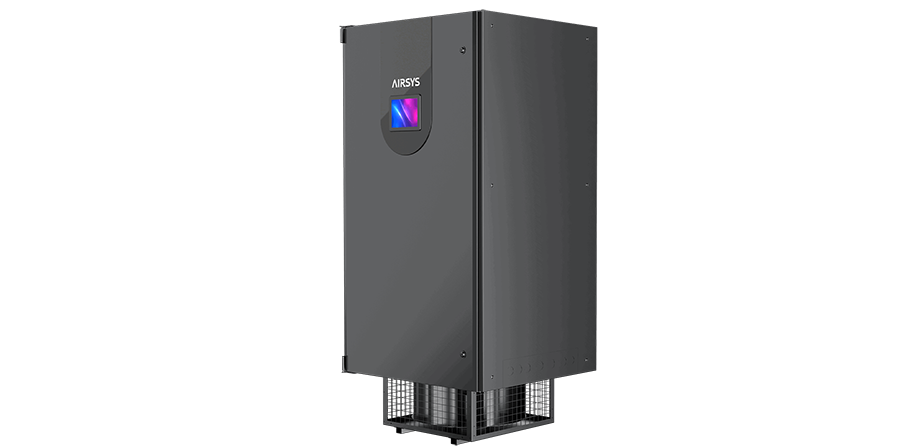
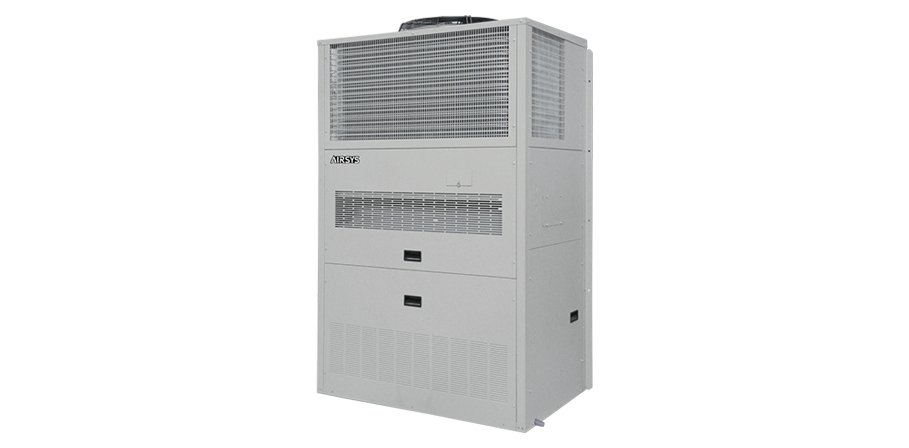
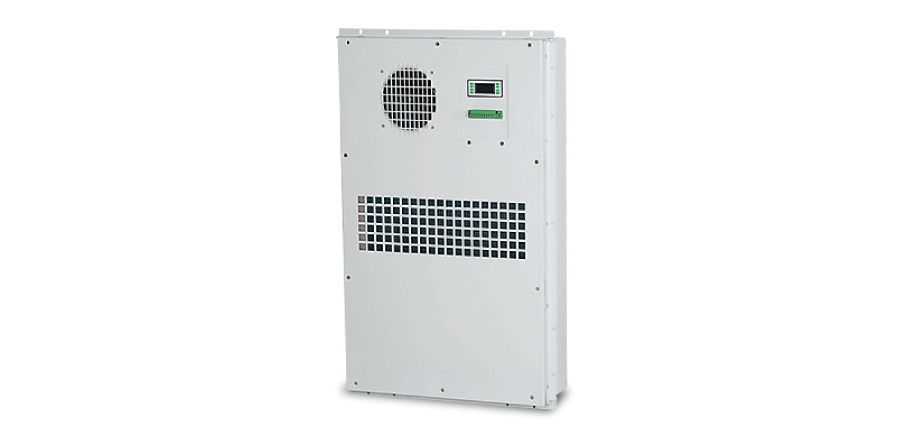
Comfort HVAC systems are designed to maintain acceptable conditions for human occupancy. Precision HVAC systems are engineered to provide continuous, stable environmental control for data center equipment reliability. Data centers require precision systems that maintain strict temperature and humidity thresholds without interruption.
Key distinctions include:
- Precision control requirements
- Comfort HVAC allows wider temperature swings.
- Precision HVAC maintains narrow temperature and humidity tolerances through continuous sensing and control.
- Operational design intent
- Comfort systems prioritize occupant comfort.
- Precision systems prioritize equipment protection and airflow accuracy.
How Does HVAC Impact Uptime And Thermal Stability?
Thermal instability, often caused by cooling system failures or airflow imbalance, is a common contributor to data center downtime. An effective HVAC cooling system helps mitigate hotspots through controlled airflow and heat removal.
HVAC systems influence uptime through:
- Consistent temperature delivery to high-density racks
- Controlled airflow that prevents heat recirculation
- Humidity regulation that protects sensitive electronics
When HVAC performance degrades, cooling gaps emerge quickly. This can force emergency shutdowns or reduce compute availability. Continuous monitoring ensures early detection of airflow or temperature anomalies before service levels are affected.
Why Is Energy Consumption A Critical HVAC Consideration?
Data centers are power hungry energy beasts. Cooling infrastructure represents a significant portion of data center energy use. HVAC efficiency directly impacts the power usage effectiveness (PUE) and low PUE reduces carbon footprints, lowers electricity costs, and indicates better, more efficient facility design.
Energy-aware HVAC cooling solutions focus on:
- Matching cooling output to real-time load conditions
- Reducing unnecessary compressor and fan runtime
- Supporting free cooling or economizer modes when viable
How Does HVAC Integrate With Overall Cooling Strategies?
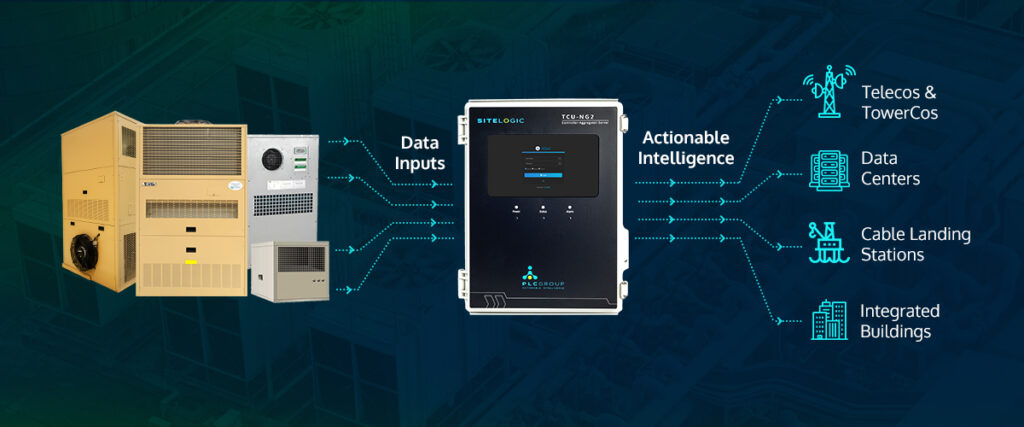
Modern data centers treat HVAC as part of an integrated cooling architecture . Integration with monitoring platforms allows HVAC systems to respond dynamically to environmental conditions.
A connected HVAC remote monitoring system enables:
- Real-time visibility into temperature, humidity, and airflow
- Automated alerts when thresholds are exceeded
- Predictive insights that support maintenance planning
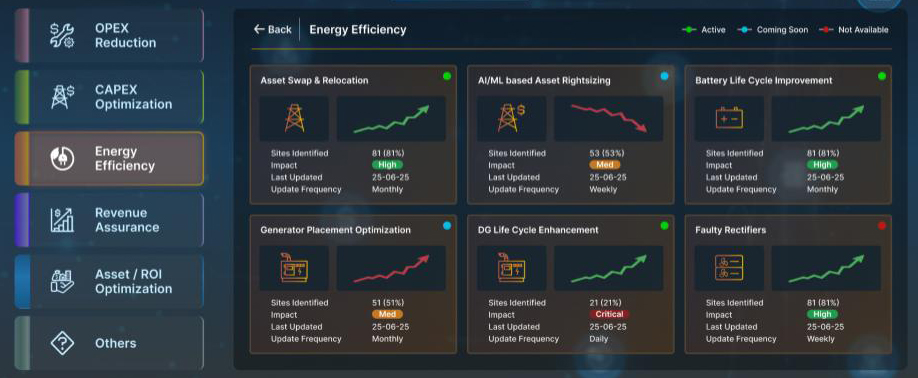
- Remote HVAC control to dynamically adjust setpoints and reduce cooling consumption
This integration allows HVAC systems to work alongside power, cooling distribution, and analytics platforms. Data-driven control improves response time and reduces manual intervention.
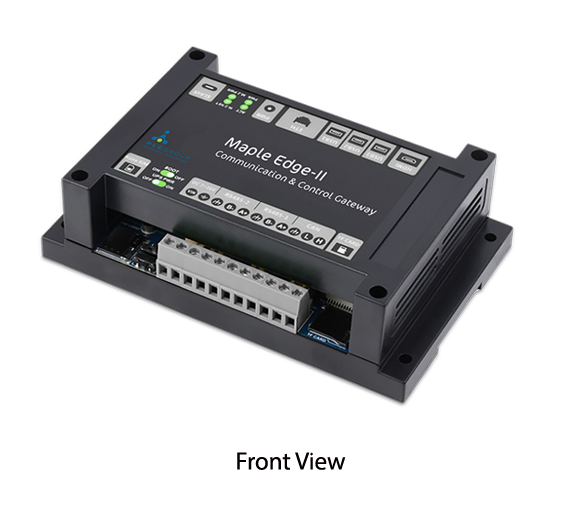
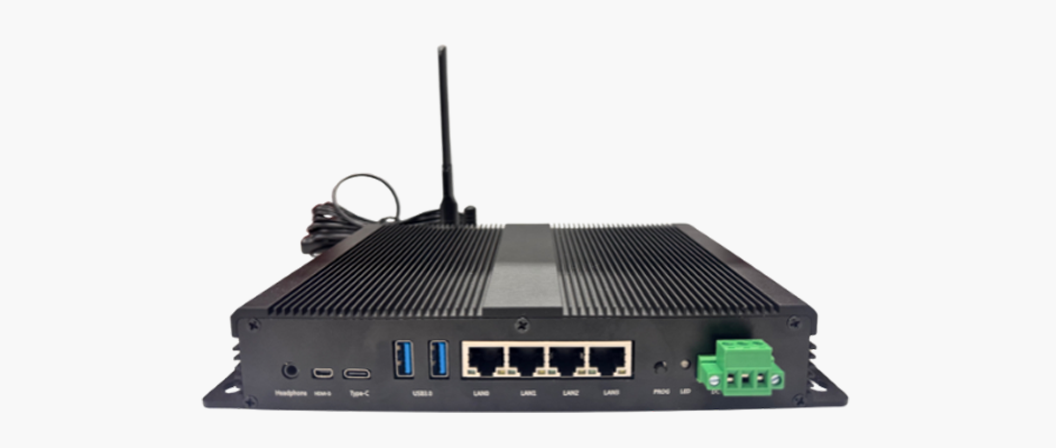
PLC Group enables this integration by combining HVAC systems with industrial IoT monitoring, analytics, and automation. Through AI-driven platforms and remote monitoring services, HVAC performance becomes a controllable and measurable operational asset rather than a fixed expense.
How HVAC Systems Support Long-Term Facility Performance
HVAC reliability extends beyond daily operations. Over time, consistent cooling improves asset longevity and reduces capital replacement cycles. Stable environments reduce failure rates in servers, power equipment, and networking hardware.
Long-term benefits include:
- Reduced emergency maintenance events
- Extended equipment service life
- Improved planning through historical performance data
By aligning HVAC systems with real-time data and predictive analytics, data centers gain both operational stability and financial predictability.
Moving Forward With Smarter HVAC Cooling Strategies
HVAC systems play a decisive role in data center cooling efficiency, energy control, and uptime protection. Precision design, continuous monitoring, and intelligent integration define modern cooling performance.
To learn how advanced HVAC monitoring and optimization can improve cooling efficiency and overall operational performance, connect with PLC Group and explore data-driven cooling solutions built for critical infrastructure.