At PLC Group, we design and implement ICT Cooling solutions that ensure thermal stability and optimized energy efficiency for mission-critical infrastructure. We are proud to announce that PLC Group is the sole distributor of AIRSYS cooling technologies for Canada, as well as one of their representatives for the Middle East. Our solutions combine intelligent control software, precision HVAC units, and Free Air Cooling technology with continuous remote monitoring to maintain operational reliability across data centers, telecom shelters, and utility facilities.
What Defines An Effective ICT Cooling Strategy
ICT networks require a specialized cooling framework that adapts to variable heat loads and dynamic environmental conditions. We focus on efficiency, redundancy, and operational visibility to deliver consistent performance.
- Maintains temperature and humidity within strict ICT thresholds
- Supports redundancy through modular HVAC architectures (N+1, 2N)
- Enhances uptime and reduces Mean Time to Repair (MTTR)
- Enables energy efficiency optimization through continuous monitoring and control
How PLC Group Integrates Software With ICT Cooling
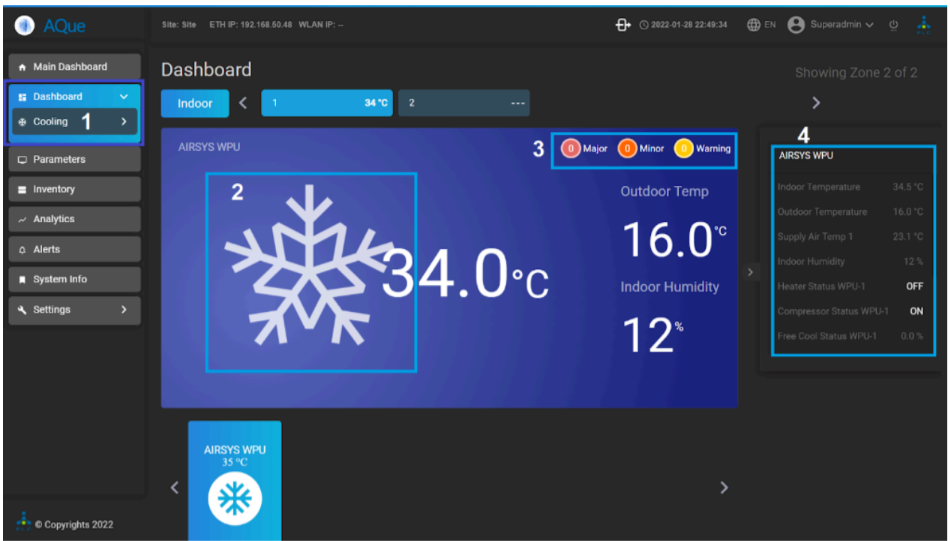
Our control and analytics software provides end-to-end visibility into the thermal ecosystem. The remote monitoring system (RMS) platform aggregates data from HVAC systems, sensors, and controllers to track performance trends, alarm events, and efficiency indicators in real time.
- Unified dashboard for multi-site cooling supervision
- Trend analysis and data logging for capacity planning
- Alarm escalation and fault detection
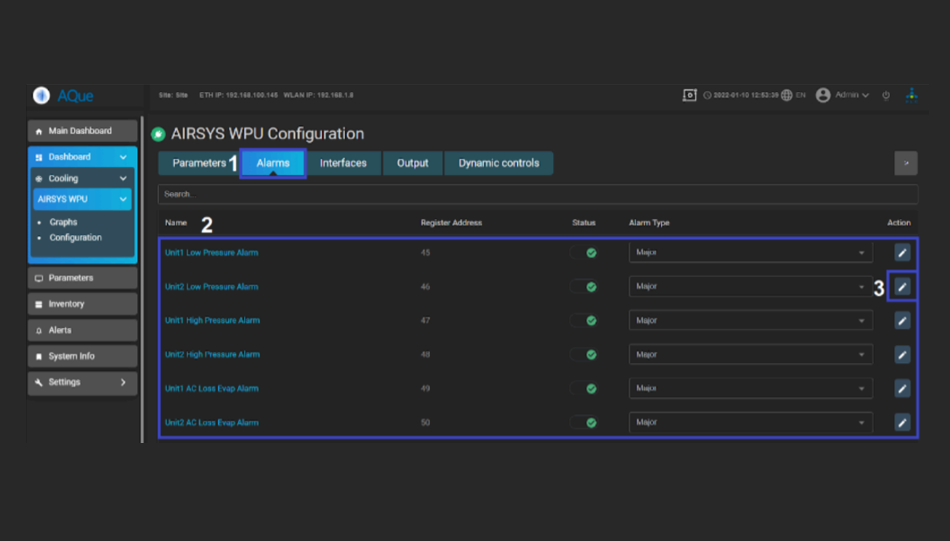
- Remote configuration of system parameters and firmware updates
This software integration ensures that all ICT Cooling assets operate at peak efficiency while providing actionable insights for maintenance and energy management.
How HVAC Systems and Free Air Cooling Units Work Together
We deploy a hybrid cooling approach that combines precision HVAC systems with free air cooling units to reduce compressor runtime and extend system life. During favorable ambient conditions, free cooling automatically engages, using filtered outdoor air to manage thermal load while maintaining humidity regulation.
- Optimized energy uses through adaptive switching between cooling modes
- Reduced dependence on the mechanical refrigeration system
- Intelligent fan and damper control through variable-speed drives
What Role Does The Universal HVAC Controller Play
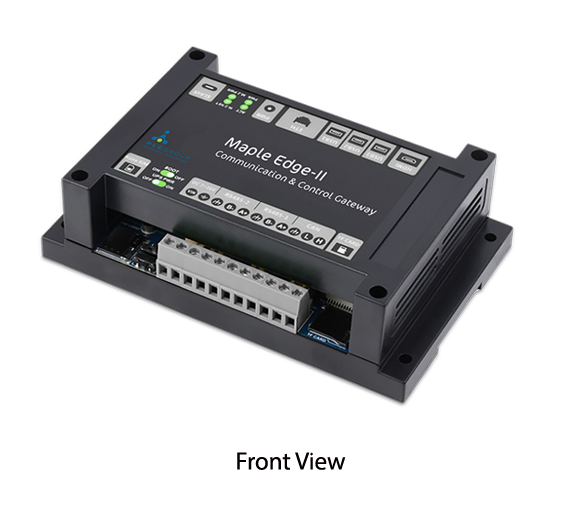
PLC Group’s universal HVAC controller integrates seamlessly with diverse air-conditioning and cooling units. It enables consistent logic control, alarm handling, and secure communication across different OEM devices.
- Supports multiple communication protocols (Modbus, SNMP, MQTT)
- Provides local and remote control through RMC integration
- Offers alarm redundancy and secure configuration options
This centralized control layer simplifies maintenance, improves interoperability, and enhances response accuracy across large ICT deployments.
Key Features of ICT Cooling Systems
PLC Group’s ICT Cooling systems integrate precision HVAC units, Free Air Cooling technology, and intelligent controllers to maintain stable thermal environments.
- Smart thermal regulation with adaptive fan speed and humidity control
- Multi-HVAC coordination between intelligent and non-intelligent units
- Universal HVAC controller supporting Modbus, SNMP, and MQTT protocols
- Seamless connectivity with PLC Group’s Remote Monitoring & Control (RMC) platform
- Built-in cybersecurity through encrypted data and role-based access
- High-efficiency components including EC fans and variable-speed compressors
- Scalable architecture adaptable for telecom shelters, data centers, and utility hubs
Benefits of ICT Cooling Systems for Critical Infrastructure
Each ICT Cooling solution from PLC Group is engineered to deliver measurable performance and operational advantages.
- Energy Efficiency: Hybrid cooling and Free Air Cooling technology reduce energy use by up to 80%, enhancing Power Usage Effectiveness (PUE).
- Operational Reliability: Redundant HVAC configurations (N+1 or 2N) ensure uninterrupted uptime in mission-critical environments.
- Reduced Maintenance Costs: Lower mechanical stress and predictive diagnostics extend equipment service life.
- Long-Term Durability: Optimized load distribution prevents component fatigue and increases cooling unit longevity.
- Proactive Management: Actionable insights from the RMC platform support quick response to anomalies and trend-based capacity planning.
- Seamless Integration: Easily integrates with existing HVAC infrastructure and third-party automation systems.
- Sustainable Operations: Supports environmental responsibility through reduced carbon footprint and smarter energy utilization.
- Future-Ready Design: Modular and upgradeable architecture aligns with evolving ICT infrastructure requirements.