What is PUE (Power Usage Effectiveness)?

A data center’s energy efficiency can be determined using the PUE (Power Usage Effectiveness) metric. In other words, Power Usage Effectiveness calculates the ratio of total energy consumed to the total energy used by only the IT equipment alone in order to assess the energy performance of the data center.

The data center’s architecture, occupancy rate, and other factors, such as the outdoor temperature, all influence Power Usage Effectiveness.

Given the amount of heat that a data center produces, it is simple to realize that the energy used to cool the computer rooms accounts for a significant portion of a data center’s Power Usage Effectiveness. Less significantly included in the figure are energy supply, illumination, monitoring, and security.

How to Calculate PUE?

PUE is the ratio of the amount of power needed to drive and cool the data center compared to the power drawn from the IT equipment in the data center.

Expressed as a formula, PUE is calculated as such:

PUE = Total Facility Energy / IT Equipment Energy

What is a Good PUE ratio?

A PUE of 1.0 denotes a 100% efficient data center, however, for most, this is not a practical goal. But some of the most environmentally friendly data centers in the world are getting there.

The average PUE, according to Uptime Institute, is 1.58. Your objective should be to lower yourself if you are currently above it.

Every data center will have a varied target Power Usage Effectiveness due to its distinct locations, climates, technologies, and equipment. PUE goals for new buildings with cutting-edge cooling and IT systems should range from 1.2 to 1.4. Aim to keep existing data center footprints under 1.5.

How Can I Improve PUE?

You can take the following actions to improve your data center’s energy efficiency and lower your Power Usage Effectiveness:

Install sensors and meters in your data center:

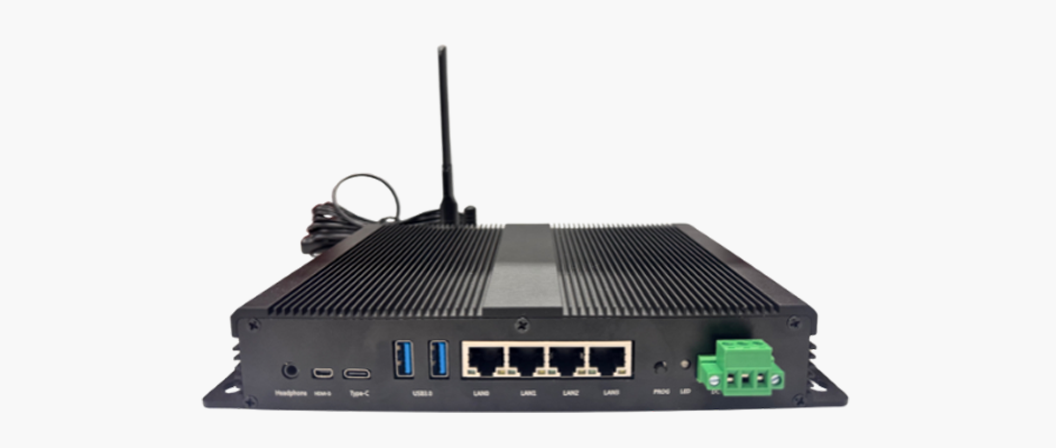
You may get vital information about what’s occurring in your data center via power and environmental sensors. Environment sensors help verify that your equipment is functioning within recommended ranges and power meters can input data into your management software to streamline Power Usage Effectiveness calculations.

Create alerts and thresholds for your sensor and meter data:

Modern data center management technologies gather, archive, report, and alert on this data so that you are aware of possible problems as soon as they arise, allowing you to fix them and maintain high levels of efficiency.

Raise temperatures safely:

Overcooling is money and energy waste. You can pinpoint exactly where and by how much you are overcooling equipment by keeping an eye on your environment. Then, without going over the manufacturer or industry standards like ASHRAE, you can increase your temperature setpoints until you are operating at maximum efficiency.

Put hot/cold aisle confinement into practice:

To prevent your cooling system from wasting energy cooling air that is already cold, avoid combining hot exhaust air with cold supply air. Your energy usage will be significantly reduced by containment measures, which will also boost cooling capacity and free up more power for IT equipment.

Equipment should be virtualized or combined:

You can decrease the amount of space, power, and cooling capacity you require by reducing the number of physical assets in your data center. Up to 30% of servers in a typical data center are ghost servers, consuming energy without serving any purpose. You can more simply condense your data center or virtualize the remaining servers by identifying and removing them.

Customers are billed for the energy they utilize:

By charging your internal or external customers for the energy their equipment uses, you may promote an environment of energy awareness and accountability. Your PUE will increase when customers start to care more about energy efficiency because it affects their bottom line.

Think about cutting-edge cooling techniques:

High-efficiency cooling techniques for high-density racks, like liquid cooling and immersion cooling, are gaining popularity. Find out which of your alternatives is best for your data center by doing some research.

A Closer Look at Free Air Cooling (FAC) Challenges and How To Solve Them

Free Air Cooling and economization are growing in popularity. We’ve seen a growing trend among our clients that have already started or are considering using Free Air Cooling as an alternative. It is an attractive option to reduce carbon footprint and energy consumption and lower operating costs.

Problem Identified

There are many details to consider to have a smoothly running operation. We have observed several issues regarding the existing FAC units, ranging from the type of fans to the control system, how these systems are initially installed, how they interact, as well as the operations and engineering teams. This has led many organizations to rethink economization and have second thoughts about whether this could help reduce operating costs and meet their carbon reduction targets.

Many of these poorly designed systems tend to quit, especially in winter and cold environments, making the overall implementation quite unattractive. Another issue discovered was that customers spent a lot more time on filter replacements and dealt with frequent alarms.

Problem Solved

PLC has worked with multiple telecom carriers in Canada, as well as globally, and has been continuously evolving its FAC and economization techniques.

Our solution is a combination of:

  • A selection of the correct FAC units such as split Free Air Cooling or package Free Air Cooling
  • Implementing the proper control systems
  • Using artificial intelligence to analyze and predict different scenarios and make adjustments as time passes by

At the PLC group, we have conducted trials with multiple carriers over the last three to four years to identify the appropriate solution for Canada’s broad geographical span.

Seasonality is another contributor to systems performance or malfunction. For example, there is a higher risk of filter clogging near construction sites or railway tracks, resulting in a significantly reduced filter life span.

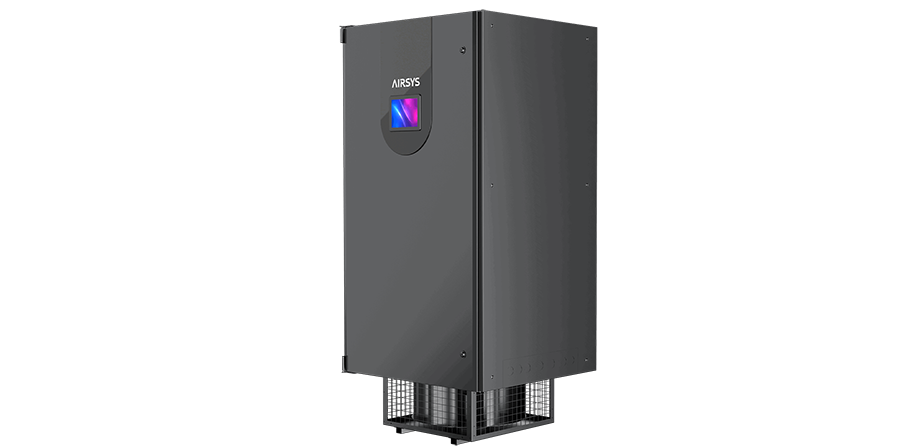
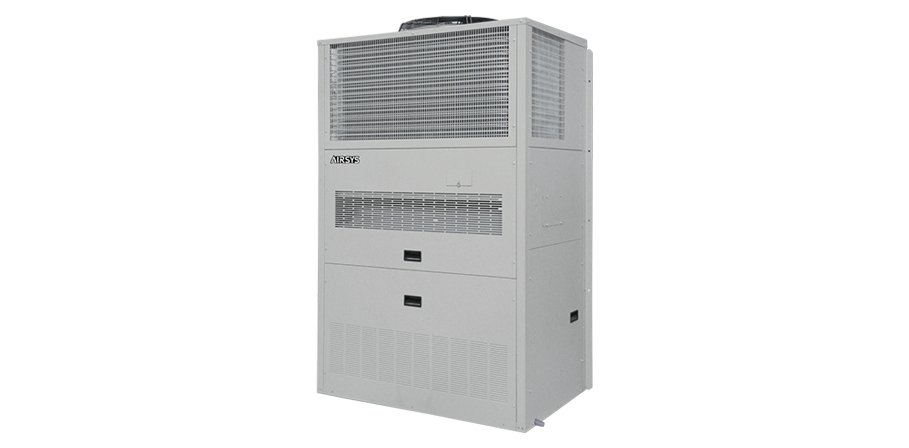
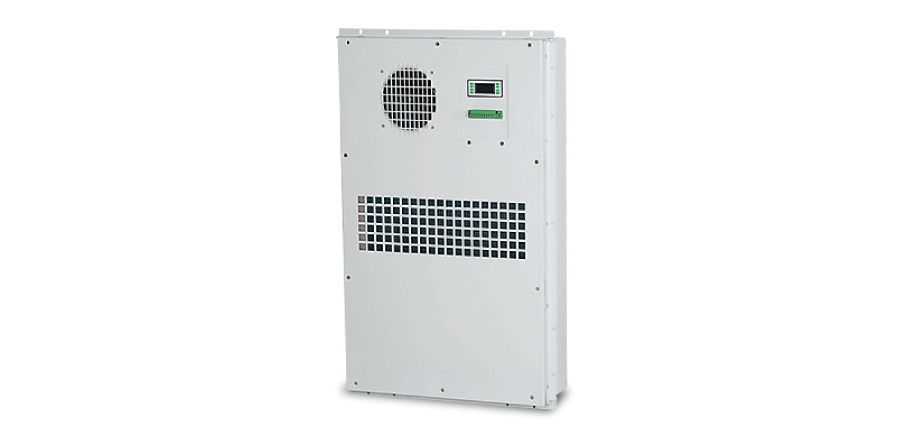
PLC Group has partnered with AIRSYS for their significant global experience in ICT cooling. One of their systems’ key advantages is the variety of free cooling systems covering a broad spectrum for different conditions and applications.

AIRSYS also offers combination units with heating and air conditioning options with high sensible cooling and inverter compressors. We work with our customers to conduct various trials and hence identified the rightsizing of the unit. The control system developed by PLC has been improved over time, providing dynamic set points with filter life prediction, filter save mode, and site-specific adjustments.

Another issue identified by the PLC Group’s analysts was that many of our customers were only focused on using the Free Air Cooling while not paying attention to the heat loss at the site. The drawback was higher energy bills in winter times due to significant heater usage.

To tackle this issue, PLC has developed various algorithms for heat re-circulation to minimize heat loss.

Even though most of these deployments are for smaller sites such as shelters, many of our customers have started using it for large cable head-ends and central offices.

Another advantage has been maximizing the use of FAC, while minimizing the need for conventional mechanical cooling that has contributed to reducing the energy and maintenance costs, as well as the impact on the environment.

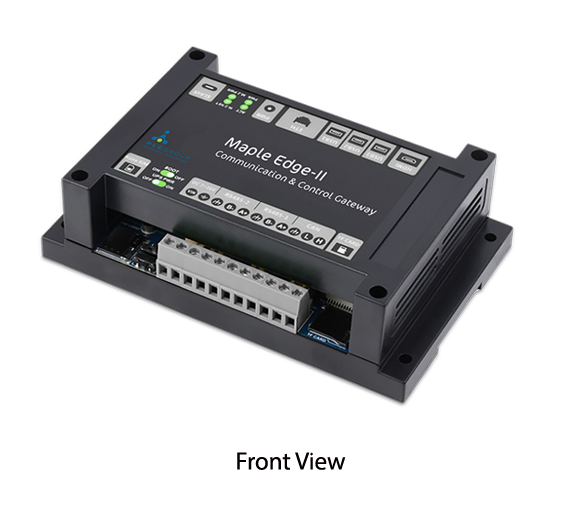
We have also provided augmented control systems to our customers that seamlessly integrate with their economization and maximize the ROI.

To reach the best results, we use various techniques, including the rightsizing of the unit from AIRSYS, such as package Free Cooling or Split Free Cooling. As mentioned above, we use the PLC state-of-the-art control systems and AI techniques to maximize the filter life.

We use differential air pressure switches that provide the filter’s clogged percentage instead of the conventional non-intelligent buzzer alarm that goes off when the filter is clogged. This helps with better planning of the maintenance visits.

We also use an air filter protection device from AIRSYS to temporarily stop the Free Cooling/economization and reverts to mechanical cooling if available. This can significantly enhance the filter life by many folds. Our data analysis team continuously looks at the data and creates the algorithms to maximize benefits to the customer.

Bottomline

At least three of our large customers with thousands of telecom sites around the country have now deployed these systems. As a result, they are benefiting from energy reduction of at least 25% on average. The maintenance costs are significantly lower as our solution requires far fewer trips to replace filters and other costs associated with maintenance-related issues. Many of our customers have now taken advantage of the government-backed programs that recognize and provide financial support and rebates for reducing their carbon footprint.

Innovation keeps businesses in the game. Contact us for more information on how to streamline your business efficiently.

#freecooling #5g #hvac #airsys

Cooling Strategies for 5G Growth

Eliminate capital expenditure (CAPEX) and provide data driven predictions that optimize cooling assets while lowering the energy and operational costs (OPEX)

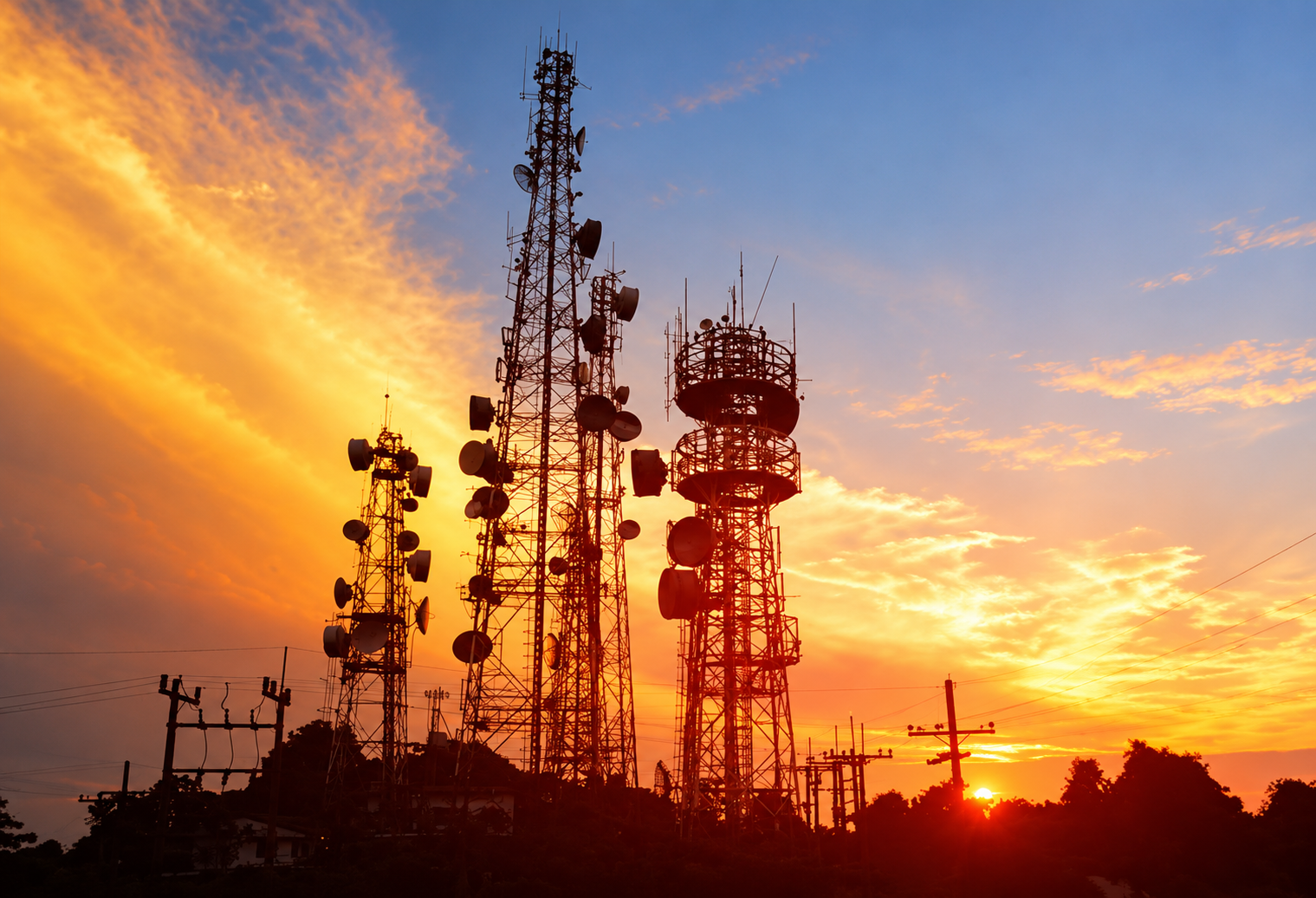
5G is already revolutionizing the human experience and raising expectations on availability, speed, and reliability. This is posing a challenge for the Telcos, service providers, and their entire ecosystem. Service providers must scale their facilities for the present and future, with limited CAPEX, environmental considerations and keeping the OPEX lowered.

In this webinar, we explore how some of the industry leaders are already dealing with these challenges and shed light on innovative concepts such as Cooling as a Service. This focuses on eliminating the CAPEX, providing data driven predictions, and optimizing cooling assets while lowering the energy and operational costs (OPEX).

Find answers to the following questions:

  • How will 5G impact the Telecom infrastructure?
  • What are the techniques already tried and tested for scalability and lowered CAPEX and OPEX?
  • How are Telcos preparing to deal with environmental challenges while the demand for cooling is increasing?
  • What is a better financial model?
  • What is Cooling as a Service?
  • What is data-driven Actionable Intelligence from PLC Group and how can this benefit cooling for 5G?

Learn more about our Cooling solutions for Telecom and Data Centres.

Click here to know more about our Cooling Monitoring and Optimization solution.

Innovation keeps businesses in the game. Contact us for more information on how to efficiently streamline your business.

Latest blog

Discover expert advice and
solutions news

Collaboration Form

Connect with Our Experts


For Sales and Partnership:


+ 1 855 PLCGRUP (752 4787) Press 3