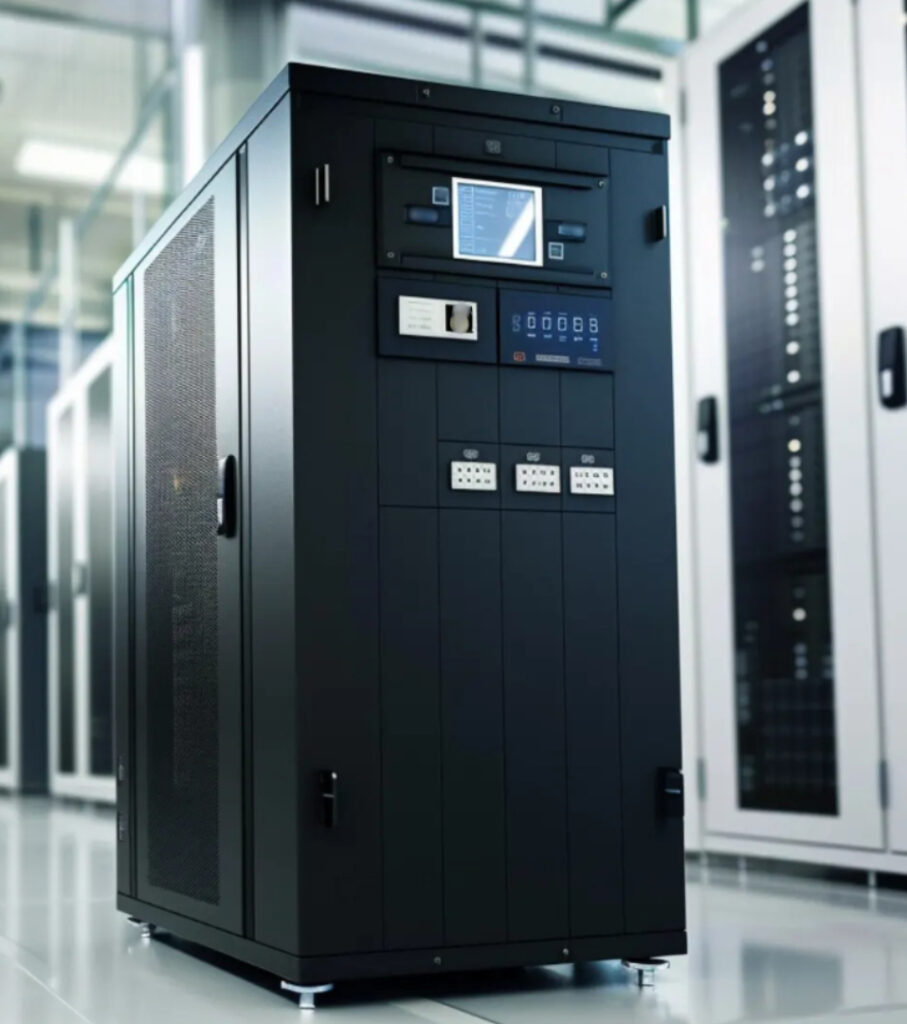
Data center reliability depends heavily on stable operating temperatures. IT equipment generates constant heat during operation. When this heat is not removed efficiently, internal components degrade faster and stresses the cooling system to produce more cooling consuming more energy. Processors, memory modules, and power supplies are especially sensitive to thermal stress and heat buildup.
Modern Data Center Cooling Systems maintain temperature ranges that protect hardware from premature wear. Even small temperature fluctuations can shorten equipment lifespan. Over time, this leads to higher failure rates and unplanned replacements.
Cooling also affects performance consistency. When components overheat, systems throttle performance to prevent damage. This reduces processing capacity and affects service delivery. Reliable thermal management and cooling allows hardware to operate within safe margins while sustaining expected workloads.
What Risks Are Created by Inadequate Cooling?
Inadequate cooling introduces operational risks that extend beyond inefficiency and energy waste. Poor thermal management can trigger cascading failures as overheating in one system impacts interconnected equipment.
Common risks include:
- Accelerated hardware degradation and reduced equipment lifespan
- Increased frequency of outages and service interruptions
- Higher energy consumption due to inefficient airflow patterns
- Greater maintenance costs and emergency interventions
Many Data Center Cooling Companies address these risks by integrating monitoring and control into their solutions. Without visibility into temperature trends, early warning signs remain undetected. This increases the likelihood of downtime events that impact revenue and service-level agreements.
Why Are Hotspots a Major Threat to Data Center Uptime?
Hotspots form when cooling airflow does not align with heat-producing equipment. These localized temperature spikes place extreme stress on racks and servers. A single unmanaged hotspot can cause repeated failures in adjacent hardware.
Preventing hotspots requires more than general room-level air conditioning. A well-designed server cooling system uses targeted airflow management. Sensors track temperature and humidity across zones, not just room averages.
Effective cooling strategies focus on:
- Aligning airflow with rack layouts
- Maintaining consistent air pressure distribution
- Adjusting cooling output based on real-time thermal demand
Many Data Center Cooling Manufacturers now design systems to integrate with monitoring platforms. This enables rapid detection and correction before failures occur.
How Does Consistent Thermal Control Improve Reliability?
Consistency is more important than aggressive cooling. Rapid temperature swings stress components more than steady operation. Reliable data center cooling solutions prioritize balance over extremes.
Consistent thermal control supports predictable system behavior. It reduces component fatigue and lowers the probability of sudden shutdowns. This stability is critical in environments that operate continuously.
Advanced cooling platforms adjust output dynamically. They respond to workload changes, not static assumptions. This approach improves energy efficiency and thermal safety while maintaining safe conditions. Over time, facilities experience fewer incidents and improved uptime metrics.
Why Is Cooling Considered a Reliability Safeguard?
Cooling is no longer treated as a secondary utility in data center operations.. It is a core reliability safeguard. In mission-critical environments, cooling failures often precede major outages.
Modern Data Center Cooling Systems function as critical control layers that protect infrastructure from thermal failure. Integrated monitoring enables early fault detection. Predictive analytics identify risks before they escalate into downtime.
Organizations working with experienced Data Center Cooling Companies benefit from coordinated cooling and monitoring strategies. These systems support uptime goals by aligning thermal performance with operational priorities.
How Does PLC Group Support Reliable Cooling Strategies?
PLC Group provides integrated cooling and monitoring solutions for critical infrastructure. Established in 2014, the company focuses on converting operational data into measurable financial value.
PLC Group combines energy-efficient ICT cooling with industrial IoT monitoring. Its Actional platform uses artificial intelligence and machine learning to deliver actionable insights. These insights help facilities prevent failures, optimize energy use, and extend asset life.
The company serves data centers, telecommunications networks, utilities, cable landing stations, renewable energy facilities, and public safety systems across North America. Flexible as-a-Service models support scalability and predictable operational costs.
Strengthening Uptime Through Intelligent Cooling Management
Reliable uptime depends on more than redundant hardware. It requires precise thermal control backed by real-time visibility. Organizations investing in advanced Data Center Cooling Solutions gain resilience against heat-related failures.
Cooling strategies that integrate monitoring, analytics, and automation reduce risk exposure. They also support long-term energy efficiency and operational performance goals without compromising performance.
Contact PLC Group to learn how intelligent cooling and remote monitoring can strengthen data center reliability and protect uptime across critical infrastructure.