Monitoring industrial equipment traditionally required an on-site inspection. A technician would travel to the facility, walk the floor, check gauges and equipment conditions, and report the findings. While this approach was effective for smaller operations with sufficient on-site staff and greater tolerance for downtime, today’s facilities face different demands. Larger operations, leaner teams, and stricter uptime requirements have made relying solely on manual inspections increasingly impractical.
Remote monitoring solutions industrial operators are now replacing that drive-and-check model with continuous, automated visibility. The shift isn’t happening because the technology got interesting. It’s happening because the old approach stopped being financially and operationally workable.
For a full breakdown of the hardware, software, and service layers behind that shift, see Industrial IoT Monitoring Solutions for Critical Facility Operations.
Key Drivers Behind the Shift to Remote Monitoring
A handful of pressures are converging at the same time, which is part of why adoption has accelerated rather than crept along gradually.
- Facility footprints are growing faster than staff counts. Operators are managing more sites and more equipment per site without a proportional increase in field personnel.
- Downtime has gotten more expensive. A cooling failure, a power fault, or an unmonitored generator failure costs more today than it did a decade ago, both in direct repair costs and in service disruption.
- Compliance and safety reporting have gotten stricter. Many regulated industries now expect documented, continuous monitoring rather than periodic inspection logs.
- Energy costs are under more scrutiny. Facility leaders are being asked to justify power and cooling spend with data, not estimates.
- Labor availability for skilled field technicians has tightened. Sending a person to check equipment that’s probably fine is a harder cost to justify when qualified staff are already stretched thin.
None of these pressures are new individually. What’s changed is that they’re all hitting at once, and remote monitoring happens to address most of them simultaneously.
Emerging Trends in Facility Remote Monitoring
A few patterns show up consistently across facilities that have already made the move to remote monitoring.
- Predictive maintenance is replacing scheduled maintenance. Instead of servicing equipment on a fixed calendar, teams are increasingly relying on condition data to decide when service is actually needed.
- As-a-service models are lowering the barrier to entry. Facilities that couldn’t justify a large capital purchase are adopting monitoring through subscription or performance-based pricing instead.
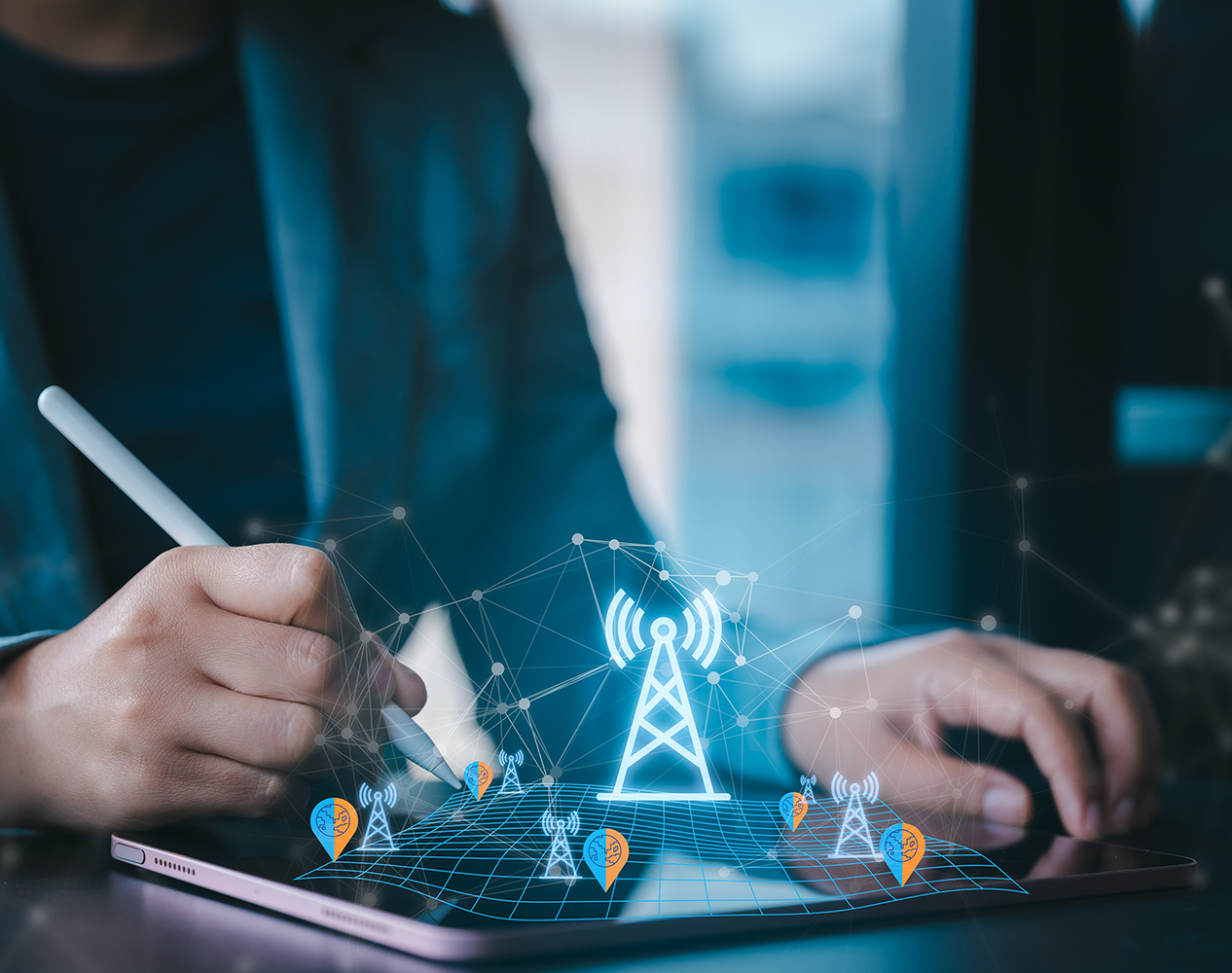
- Multi-site dashboards are becoming standard. Facility teams overseeing multiple locations want one view of conditions across all of them, not separate reports per site.
- AI-driven analytics are moving from experimental to expected. Facilities are starting to expect forecasting and anomaly detection as a baseline feature, not an add-on.
- Integration with existing equipment matters more than replacing it. Facilities are prioritizing platforms that work with what’s already installed over platforms that require new hardware.
These trends point in a consistent direction: monitoring is becoming less about having more data and more about having the right data delivered in a way that supports faster decisions.
Industries Leading Industrial Monitoring Adoption
Adoption isn’t happening evenly across every type of facility. It tends to concentrate where the cost of not knowing is highest.
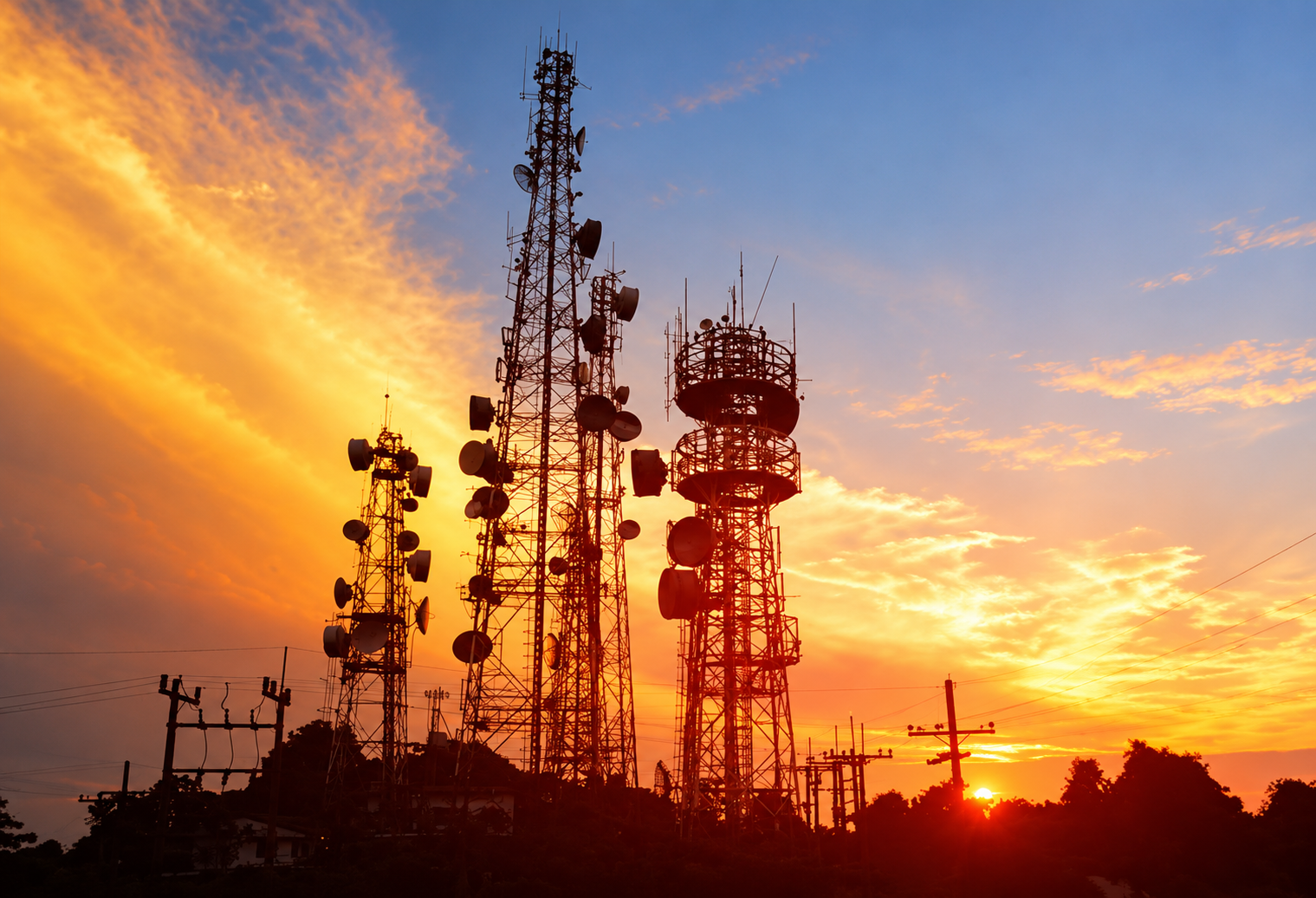
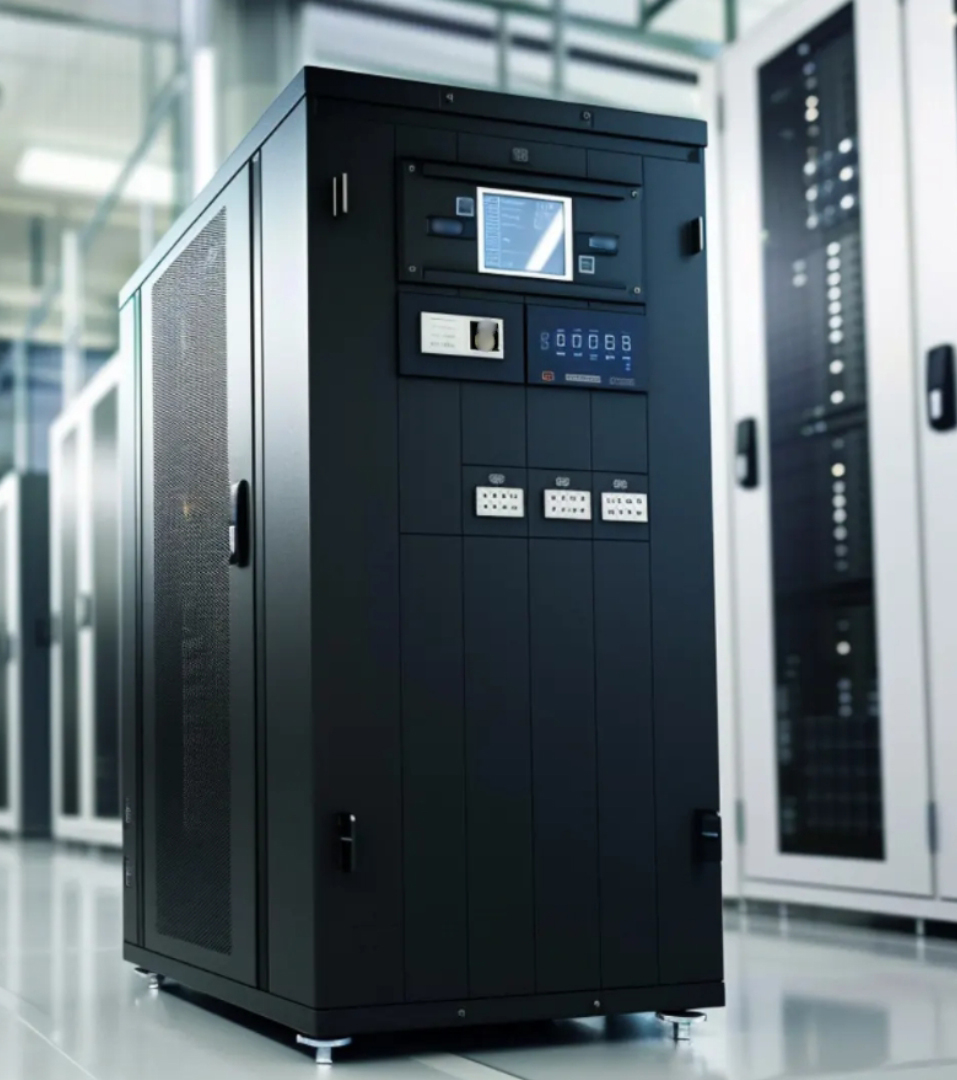
Data centers were early adopters because downtime has an immediate, measurable dollar cost attached to it. Telecom operators followed closely, since managing hundreds of geographically spread tower sites makes manual checks impractical at scale. Utilities and public safety networks have adopted more gradually, often driven by regulatory pressure as much as operational efficiency. Manufacturing and facilities management sit further along the curve, adopting remote monitoring as part of broader efficiency initiatives rather than as a first response to a specific crisis.
See 7 Benefits of Industrial IoT Monitoring Solutions for Facility Managers for a closer look at each of these gains.
Operational Benefits of Remote Monitoring
The benefits of remote monitoring tend to compound rather than show up all at once.
- Fewer unnecessary site visits. Technicians go where the data says something needs attention, not on a fixed rotation regardless of actual condition.
- Faster fault detection. Problems get flagged as they develop instead of getting discovered during the next scheduled inspection.
- Lower energy spend. Continuous data on power and cooling usage surfaces waste that periodic checks would miss entirely.
- Better compliance documentation. Centralized, continuous data supports audit and safety reporting requirements more easily than manual logs.
- More predictable maintenance budgets. Planned, condition-based service replaces the cost spikes that come with emergency repairs.
None of these gains require a facility to overhaul its equipment. Most monitoring platforms are built to sit on top of what’s already installed, translating data from existing hardware rather than requiring a replacement first.
Key Considerations Before Adopting a Monitoring Solution
Facilities weighing this move tend to ask a similar set of questions before committing to a platform.
Does the platform support the communication protocols the facility’s current equipment already uses? Can it scale as the number of sites or the volume of equipment grows, without needing to be rebuilt later? Is there a pricing model, whether ownership or an as-a-service subscription, that fits how the organization prefers to manage capital versus operating costs? And does the provider have direct experience with the facility’s specific industry, since a platform built for retail environments won’t necessarily handle the demands of a data center or a utility substation.
Getting clear answers to these questions before signing on tends to matter more for long-term satisfaction than any single feature on a spec sheet.
The protocol question above is also where remote monitoring differs most from older control systems. See Industrial IoT Monitoring Solutions vs Traditional SCADA Systems for a full comparison.
The Long-Term Outlook for Industrial Monitoring Adoption
The shift toward remote monitoring isn’t a temporary response to current cost pressures. It reflects a permanent change in how industrial facilities are staffed and how much downtime tolerance they can afford. As facility footprints keep growing and skilled labor stays tight, the operators who build remote visibility into their operations now are the ones who won’t be scrambling to catch up later.
Talk to a specialist about which parts of your facility network would benefit most from remote monitoring.