Telecommunication networks operate across thousands of distributed sites. These include towers, switching facilities, and edge infrastructure. Equipment runs continuously and generates large volumes of operational data. Any failure can affect connectivity, service delivery, and revenue.
Network operators face challenges such as power instability, cooling failures, and equipment malfunction. Manual monitoring is no longer practical for large networks. Automated monitoring systems help telecom providers detect anomalies earlier and respond quickly.
This is where the question often arises: which remote monitoring platforms provide real-time insights for telecom infrastructures? The answer lies in advanced industrial IoT monitoring platforms designed for critical infrastructure management. These platforms collect operational data, analyze performance trends, and enable predictive maintenance across telecom networks.
Organizations that deploy remote monitoring platforms gain better visibility into infrastructure performance and operational risks.
Which Remote Monitoring Platforms Provide Real-Time Insights for Telecom Infrastructures?
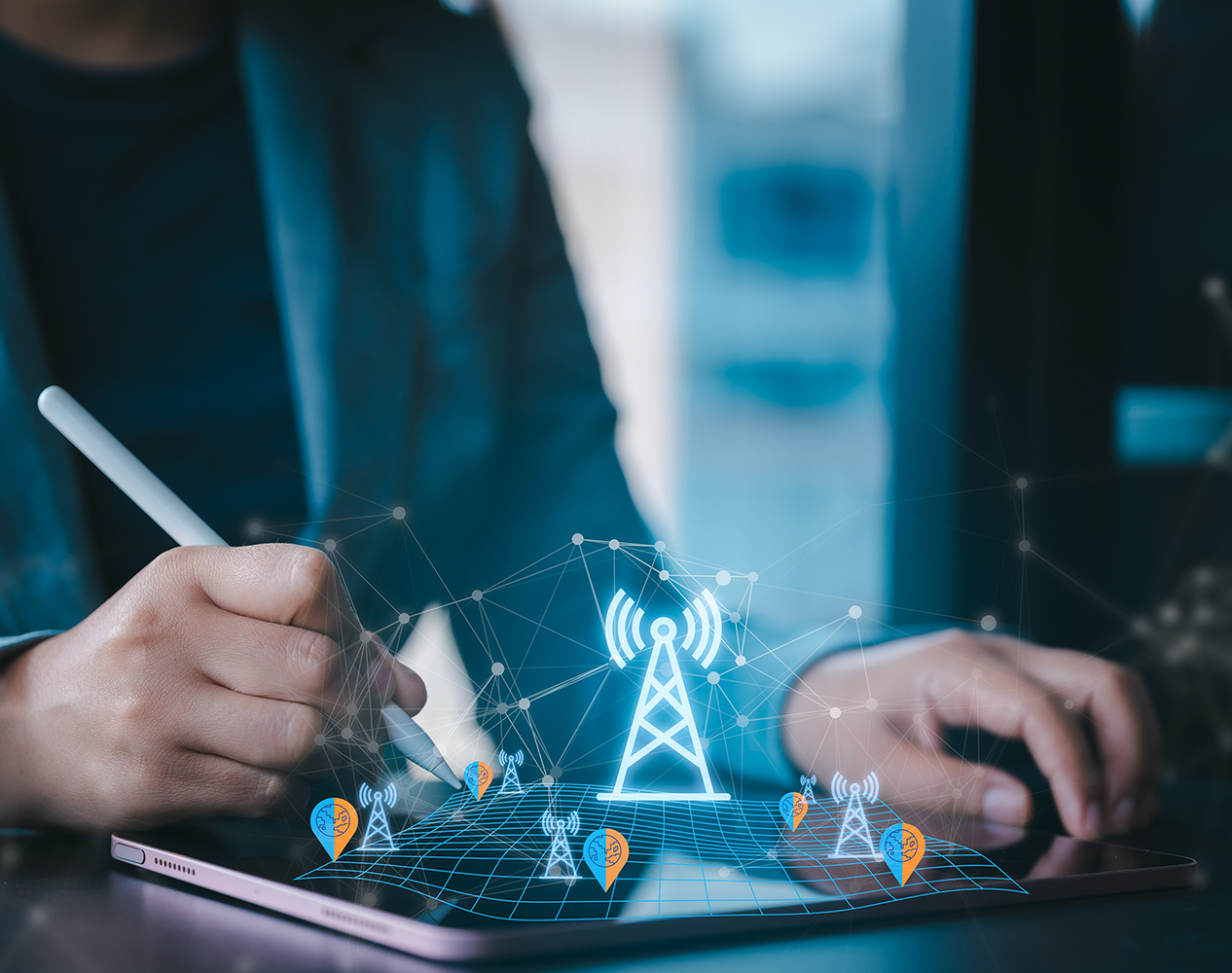
Modern telecom networks require centralized monitoring platforms that integrate sensors, gateways, and analytics tools. These platforms capture operational data from distributed telecom assets and convert it into actionable intelligence.
When evaluating which remote monitoring platforms provide real-time insights for telecom infrastructures, organizations typically look for systems that combine connectivity, automation, and analytics.
Remote monitoring platforms provide several capabilities:
- Real-time infrastructure monitoring
Sensors and IoT devices collect operational data from telecom sites and transmit it to centralized dashboards. - Predictive maintenance insights
Advanced analytics detect performance anomalies before equipment failures occur. - Centralized site management
Telecom operators monitor multiple sites from a single control platform. - Automated alarms and alerts
Systems trigger notifications when thresholds are exceeded.
Platforms such as the AxIn platform developed by PLC Group combine industrial IoT monitoring, machine learning analytics, and automated control systems to deliver operational visibility across telecom networks.
These platforms help operators manage energy consumption, cooling performance, and equipment health across geographically distributed infrastructure.
How Do Remote Monitoring Platforms Work in Telecom Networks?
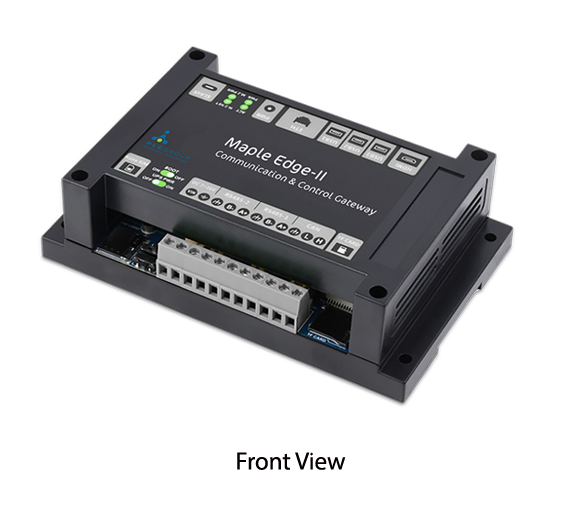
Remote monitoring systems operate through an integrated ecosystem of hardware, software, and connectivity technologies. Sensors installed at telecom sites collect operational data from power systems, environmental conditions, and communication equipment.
IoT gateways transmit this data securely to centralized platforms. The monitoring software processes the incoming data and displays it through dashboards and alerts.
Machine learning models analyze patterns within the data. These models detect inefficiencies or anomalies that may indicate upcoming failures. Telecom operators receive alerts before service disruptions occur.
Remote monitoring platforms also allow operators to perform remote diagnostics. Engineers can adjust system settings without visiting the site. This reduces operational costs and accelerates incident response.
By continuously analyzing infrastructure data, remote monitoring platforms transform raw operational metrics into actionable insights.