Energy efficiency directly affects operational costs and long-term infrastructure performance. A modern PLC Group data center monitoring system helps facility teams track power consumption, cooling performance, and environmental conditions in real time. This visibility allows operators to identify inefficiencies before they increase costs or affect uptime.
Data centers run continuously and generate significant heat loads. Without accurate monitoring, cooling systems may consume excess energy while still leaving hotspots unresolved. Monitoring platforms help operators maintain balanced airflow, stable temperatures, and optimized energy usage across the facility.
What does a Data Center Monitoring System monitor?
A Data Center Monitoring System tracks temperature, humidity, power usage, cooling performance, alarms, and equipment status. It helps operators improve uptime, reduce energy waste, and maintain stable infrastructure conditions through centralized visibility and analytics.
Why is Data Center Remote Monitoring important?
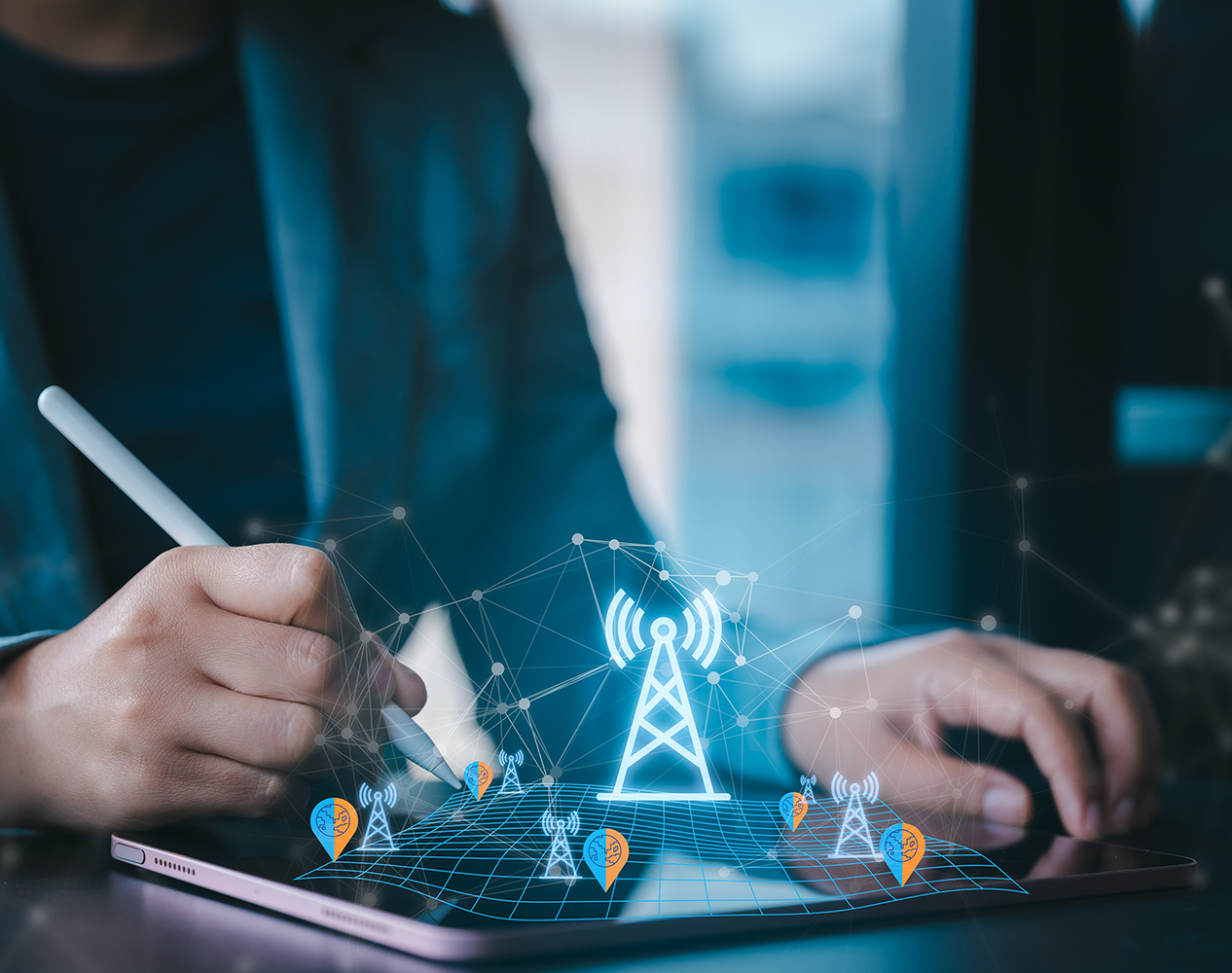
Data center remote monitoring allows operators to manage infrastructure performance across multiple sites in real time. It supports faster issue detection, predictive maintenance, reduced downtime risks, and better energy management for critical facilities.
How Can Real-Time Visibility Improve Data Center Operations?
Real-time monitoring creates a centralized view of infrastructure performance. Teams can monitor HVAC systems, power distribution units, environmental sensors, and backup systems from one dashboard. This improves response time and operational planning.
A data center monitoring system also supports predictive maintenance. Instead of reacting to failures, operators can identify abnormal trends early. This reduces downtime risks and extends equipment life.
Important monitoring areas include:
- Temperature and humidity tracking
- Power usage effectiveness (PUE) analysis
- Cooling performance monitoring
- Generator and UPS status visibility
- Alarm management and automated alerts
These insights help reduce unnecessary energy consumption while supporting operational reliability.
What Role Do Data Center HVAC Systems Play in Energy Optimization?
Cooling systems account for a major portion of facility energy usage. Efficient data center HVAC systems help maintain stable operating conditions while reducing wasted energy. Monitoring tools improve HVAC performance by adjusting cooling output based on real-time demand.
Advanced cooling strategies may include:
- Free air cooling integration
- Adaptive cooling setpoints
- Intelligent airflow management
- Remote HVAC sequencing
- Energy-efficient CRAC optimization
When monitoring platforms integrate with HVAC infrastructure, operators gain better control over cooling efficiency. This improves sustainability goals while lowering operating expenses.
How Does Data Center Remote Monitoring Support Preventive Maintenance?
Data Center Remote Monitoring allows operators to supervise multiple facilities without relying only on onsite staff. Remote access improves operational flexibility and speeds up issue resolution.
Modern monitoring platforms support:
- Automated alarm notifications
- Remote troubleshooting capabilities
- Historical trend analysis
- AI-driven operational analytics
- Multi-site infrastructure visibility
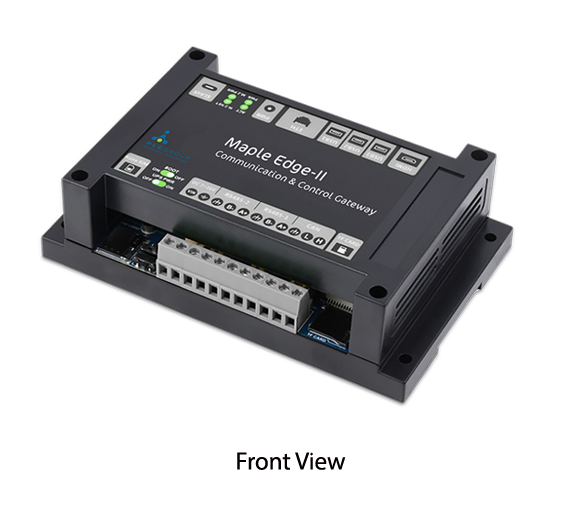
PLC Group integrates remote monitoring with intelligent analytics to help organizations convert operational data into measurable performance improvements. Their AxIn platform combines monitoring, automation, and analytics to support energy optimization across critical facilities.
Which Integration Features Should Organizations Prioritize?
Integration capabilities determine how effectively a monitoring platform supports infrastructure management. Organizations should select systems that support industry-standard protocols and scalable architecture.
Key integration capabilities include:
- Modbus, SNMP, and BACnet compatibility
- Integration with BMS and SCADA platforms
- Cloud-based analytics and reporting
- Multi-vendor device connectivity
- Remote firmware and configuration management
These features allow facilities to centralize monitoring operations while simplifying future expansion.
How Can Intelligent Monitoring Improve Long-Term Facility Performance?
Energy efficiency requires continuous optimization. Monitoring systems help organizations improve performance through automation, analytics, and operational visibility. AI-driven platforms can identify inefficiencies faster and recommend corrective actions based on historical data patterns.
PLC Group provides industrial IoT solutions designed for data centers, telecommunications facilities, utilities, and critical infrastructure environments. Their monitoring ecosystem supports predictive maintenance, cooling optimization, and operational efficiency through scalable remote monitoring technologies.
Contact PLC Group to learn how intelligent monitoring solutions can improve energy efficiency, reduce downtime risks, and strengthen long-term data center performance.