Critical infrastructure facilities operate around the clock. Even small environmental changes can impact uptime, equipment health, and operational stability. Telecommunications sites, data centers, utilities, and public safety networks all require accurate monitoring to maintain reliable performance.
A remote temperature and humidity sensor helps facility teams track environmental conditions in real time. These sensors provide visibility into temperature fluctuations, humidity levels, airflow issues, and environmental risks before they create failures.
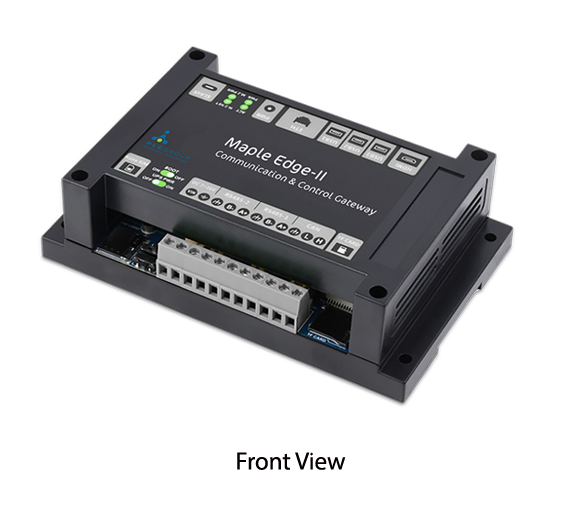
PLC Group delivers industrial IoT monitoring solutions designed for mission-critical environments. Its remote monitoring platforms combine intelligent analytics, automation, and predictive maintenance tools to support long-term operational efficiency.
What does a remote temperature and humidity sensor do?
A Remote Temperature and Humidity Sensor monitors environmental conditions in real time. It helps operators identify overheating, humidity imbalance, and airflow issues before they impact critical infrastructure performance.
Why are remote monitoring sensors important for data centers?
Remote Monitoring Sensors improve visibility into environmental conditions, cooling efficiency, and equipment health. They support predictive maintenance and help reduce downtime in mission-critical data center environments.
How Does a Remote Temperature and Humidity Sensor Improve Reliability?
Temperature and humidity directly affect sensitive infrastructure. Excess heat can damage servers, batteries, and network equipment. High humidity may lead to condensation and corrosion. Low humidity can increase static discharge risks.
A remote temperature and humidity sensor continuously measures environmental conditions and sends alerts when thresholds change. This allows operators to respond quickly and prevent downtime.
Facilities that rely on real-time monitoring often achieve:
- Better equipment lifespan
- Reduced maintenance costs
- Faster issue detection
- Improved energy efficiency
- Greater operational visibility
Remote monitoring also supports compliance requirements in regulated industries where environmental stability is essential.
Why Are Remote Monitoring Sensors Important for Modern Infrastructure?
Remote monitoring sensors allow operators to manage facilities across multiple locations from a centralized platform. This is especially valuable for telecom operators, edge facilities, and distributed infrastructure environments.
PLC Group integrates remote sensors with intelligent monitoring systems that support:
- Real-time dashboards
- Predictive maintenance alerts
- AI-driven analytics
- Remote troubleshooting
- Automated reporting
These capabilities help organizations identify abnormal conditions before equipment failure occurs.
The ability to collect operational data remotely also reduces manual inspections. This lowers labor costs while improving response times during emergencies or system alarms.
How Does a Remote Humidity Monitor Support HVAC Performance?
Environmental stability depends heavily on HVAC efficiency. A remote humidity monitor helps maintain balanced moisture levels within server rooms, telecom shelters, and industrial facilities.
Improper humidity levels can reduce cooling efficiency and increase operational risks. Monitoring humidity remotely allows operators to optimize airflow and cooling performance without constant onsite intervention.
Key HVAC monitoring benefits include:
- Early detection of cooling inefficiencies
- Improved airflow management
- Reduced energy consumption
- Lower risk of thermal stress
- Better equipment protection
PLC Group’s monitoring ecosystem combines sensors, analytics, and automation to improve environmental control across critical infrastructure facilities.
What Features Should Organizations Look for in Remote Monitoring Solutions?
Modern remote monitoring systems should support scalability, integration, and real-time intelligence. Facilities often require solutions that work across both legacy and modern infrastructure environments.
Important capabilities include:
- SNMP, Modbus, and BACnet integration
- Cloud-based monitoring access
- AI-driven analytics
- Automated alarm management
- Multi-site visibility
- Predictive maintenance functionality
PLC Group’s industrial IoT solutions support seamless integration with SCADA, BMS, and facility management platforms. This creates a unified approach to infrastructure monitoring and operational control.
Why Is Predictive Monitoring Becoming a Priority?
Reactive maintenance often leads to higher costs and unexpected downtime. Predictive monitoring changes that approach by identifying risks before failures occur.
A remote temperature and humidity sensor provides continuous environmental insights that help operators detect abnormal trends early. This supports proactive maintenance planning and better asset management.
Organizations across North America increasingly use predictive monitoring to:
- Improve uptime
- Extend equipment life
- Reduce emergency repairs
- Optimize energy usage
- Improve return on infrastructure investments
As infrastructure environments become more connected, intelligent monitoring systems continue to play a larger role in operational strategy.
How Can PLC Group Support Smarter Infrastructure Monitoring?
PLC Group provides advanced remote monitoring and industrial IoT solutions for mission-critical facilities. Its platforms combine real-time visibility, automation, analytics, and predictive intelligence to improve operational performance across telecommunications, utilities, renewable energy, and data center environments.
From environmental monitoring to AI-driven operational insights, PLC Group helps organizations reduce downtime, improve energy efficiency, and strengthen infrastructure reliability.
Contact PLC Group to learn how remote monitoring solutions can support smarter facility management and long-term operational stability.