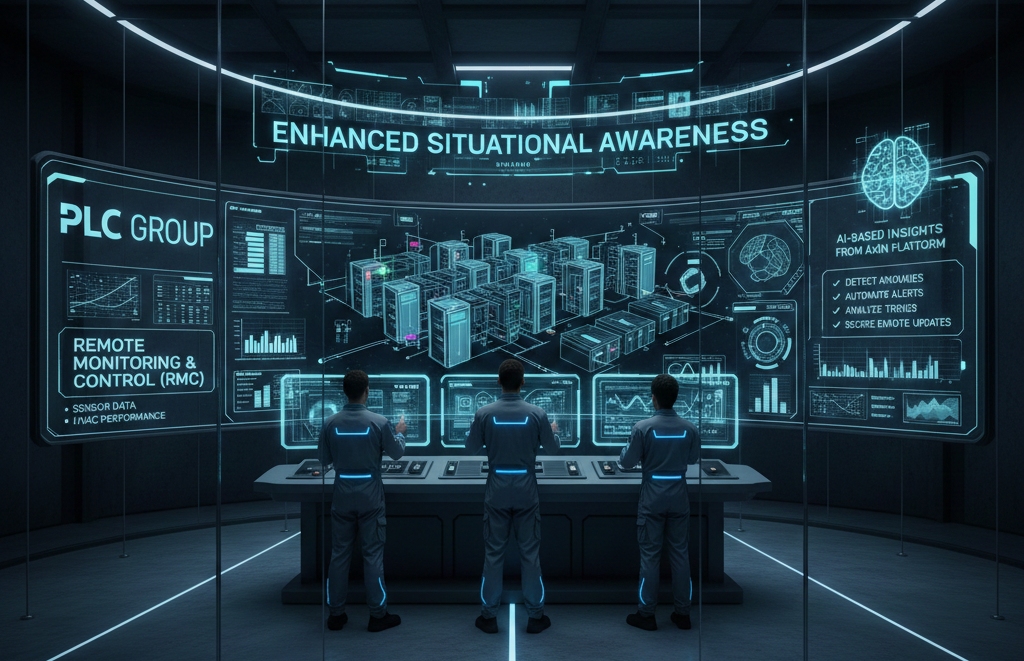
Data centers generate continuous heat from servers, storage systems, and networking equipment. Without stable cooling, facilities face equipment failures, downtime, and rising operational costs. A properly designed HVAC cooling system helps maintain temperature stability and protects critical infrastructure from overheating.
Modern facilities also require visibility into cooling performance. Static cooling setups no longer support the demands of high-density environments. Operators now depend on intelligent monitoring, predictive maintenance, and automated alerts to maintain uptime.
PLC Group provides industrial IoT and remote monitoring technologies that support energy-efficient cooling operations across mission-critical facilities. Their platforms combine analytics, automation, and centralized monitoring for real-time operational control.
How does an HVAC remote monitoring system improve data center efficiency?
An HVAC remote monitoring system tracks cooling performance in real time. It helps identify inefficiencies, reduce energy waste, and prevent unexpected downtime through automated alerts and predictive maintenance.
Why is an HVAC Cooling System important for data centers?
An HVAC Cooling System maintains stable temperatures for servers and networking equipment. Proper cooling protects infrastructure, improves uptime, and supports long-term operational reliability.
How Does Remote Monitoring Improve HVAC Performance?
An HVAC remote monitoring system gives operators access to cooling performance from a centralized dashboard. Facility teams can monitor airflow, humidity, temperature, and equipment health without relying on manual inspections.
Remote monitoring improves operational efficiency by identifying performance issues before they become failures. Predictive alerts reduce unnecessary downtime and support faster maintenance decisions.
Key operational benefits include:
- Real-time monitoring of temperature and humidity
- Automated alerts for cooling abnormalities
- Reduced emergency maintenance costs
- Improved equipment lifespan
- Better energy efficiency tracking
An HVAC monitoring system also supports compliance reporting and operational transparency for critical infrastructure environments.
What Components Are Required for Integration?
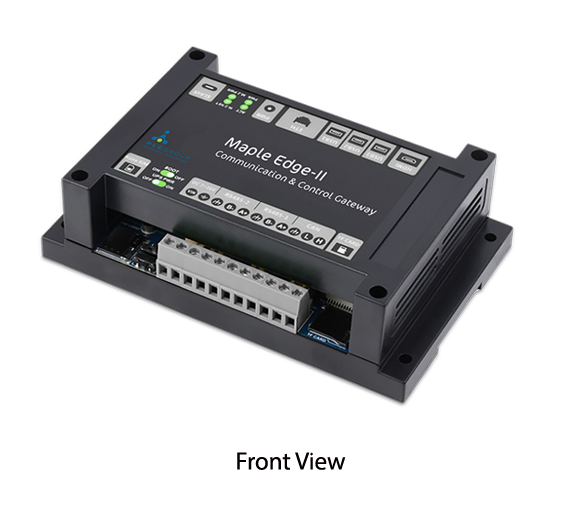
Successful integration depends on combining cooling hardware with intelligent monitoring platforms. Data centers often connect cooling systems to building management systems, IoT gateways, and analytics platforms.
The integration process typically includes:
- Installing smart sensors across cooling equipment
- Connecting HVAC assets through protocols like SNMP or Modbus
- Enabling secure data transmission to centralized platforms
- Configuring dashboards and alarm thresholds
- Activating predictive analytics and reporting tools
PLC Group supports these integrations through AI-powered monitoring platforms and scalable infrastructure management solutions. Their systems help operators manage multiple facilities from a single interface.
How Does an HVAC Monitoring System Support Energy Efficiency?
Cooling systems account for a large percentage of data center power consumption. Poor airflow management and inconsistent cooling cycles increase energy waste. An HVAC Cooling System integrated with intelligent analytics helps reduce unnecessary power usage.
Real-time monitoring identifies inefficient cooling patterns and performance gaps. Automated controls can adjust cooling output based on operational demand. This approach supports lower operating costs and improved Power Usage Effectiveness (PUE).
Organizations also gain long-term value through:
- Reduced generator runtime
- Improved load balancing
- Lower maintenance expenses
- Better cooling capacity planning
PLC Group’s remote monitoring technologies convert operational data into actionable intelligence. This allows facility managers to make faster and more accurate decisions.
Why Is Scalability Important for Modern Cooling Infrastructure?
Data centers continue to expand due to cloud computing, AI processing, and edge deployments. Cooling infrastructure must support changing workloads without creating operational bottlenecks.
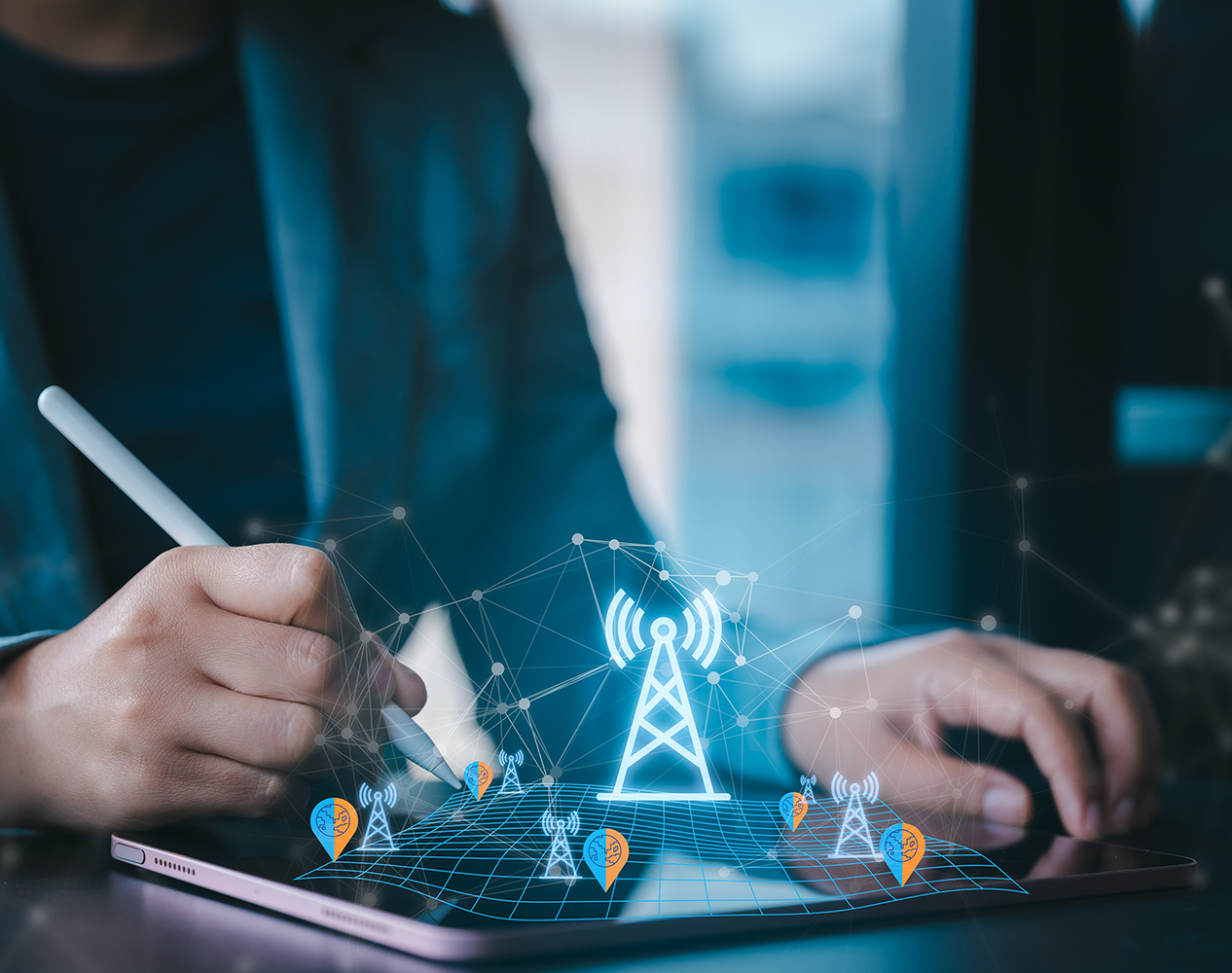
A scalable HVAC remote monitoring system allows operators to monitor multiple sites, edge facilities, and server rooms from one platform. This improves visibility across distributed infrastructure environments.
Scalable monitoring platforms also support:
- Multi-site analytics
- Remote firmware updates
- Alarm prioritization
- Asset performance tracking
- Predictive maintenance scheduling
PLC Group delivers integrated cooling and monitoring solutions for telecommunications, data centers, utilities, renewable energy sites, and public safety networks across North America.
How Can Data Centers Build a More Resilient Cooling Strategy?
Data centers require more than standalone cooling equipment. They need intelligent systems that combine automation, analytics, and remote visibility. Integrating an HVAC Cooling System with advanced monitoring technologies improves uptime, reduces operational risks, and supports long-term energy optimization.
Organizations that invest in intelligent monitoring gain better control over infrastructure performance while improving operational efficiency. Predictive insights also help reduce downtime and extend equipment life.
PLC Group helps critical facilities deploy scalable cooling and monitoring solutions designed for reliability, automation, and measurable operational value. Contact PLC Group to learn more about advanced cooling and remote monitoring technologies for mission-critical environments.