Free air cooling has become an important strategy for reducing energy consumption in modern facilities. Data centers, telecom sites, and industrial operations are increasingly adopting this approach to lower cooling costs and improve efficiency. However, free air cooling can only perform reliably when environmental conditions are continuously monitored and controlled.
An advanced HVAC monitoring system helps organizations maintain stable temperatures, manage humidity, and reduce operational risks. Without accurate monitoring, free air cooling systems may introduce airflow imbalance, moisture issues, and overheating concerns that affect critical infrastructure performance.
PLC Group supports mission-critical environments with intelligent cooling technologies, remote monitoring platforms, and actionable analytics designed for long-term operational stability.
Why does free air cooling require continuous environmental monitoring?
Free air cooling depends on outside air conditions, which can change rapidly. Continuous monitoring helps maintain stable temperature, humidity, and airflow levels while preventing overheating, condensation, and energy inefficiencies in critical facilities.
How does an HVAC monitoring system improve free air cooling performance?
An HVAC monitoring system provides real-time visibility into environmental conditions. It helps operators automate cooling adjustments, detect airflow issues early, reduce energy waste, and maintain reliable cooling performance across mission-critical environments.
Why Free Air Cooling Demands Real-Time Visibility
Free air cooling relies on outside air conditions to reduce compressor usage inside facilities. This process improves energy efficiency but also introduces variables that change throughout the day. Temperature swings, humidity fluctuations, and air quality variations can impact cooling performance within minutes.
Continuous monitoring allows facility teams to identify these changes before they create operational problems. An HVAC remote monitoring system tracks environmental conditions in real time and helps operators adjust airflow, cooling output, and ventilation settings automatically.
Facilities that depend on uninterrupted uptime cannot rely on static cooling configurations. Real-time environmental monitoring provides the visibility needed to maintain safe operating conditions across server rooms, telecom shelters, and edge facilities.
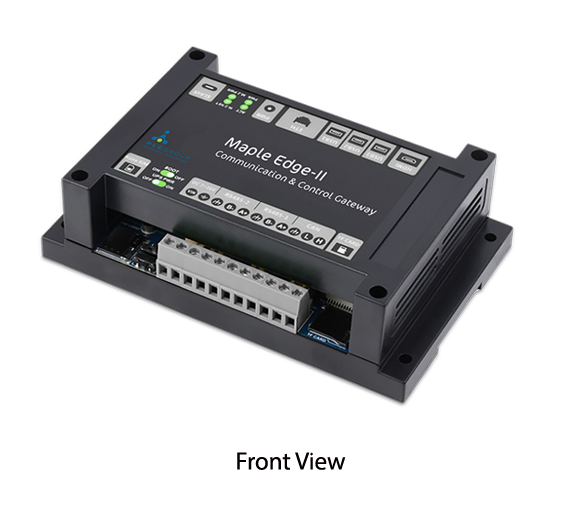
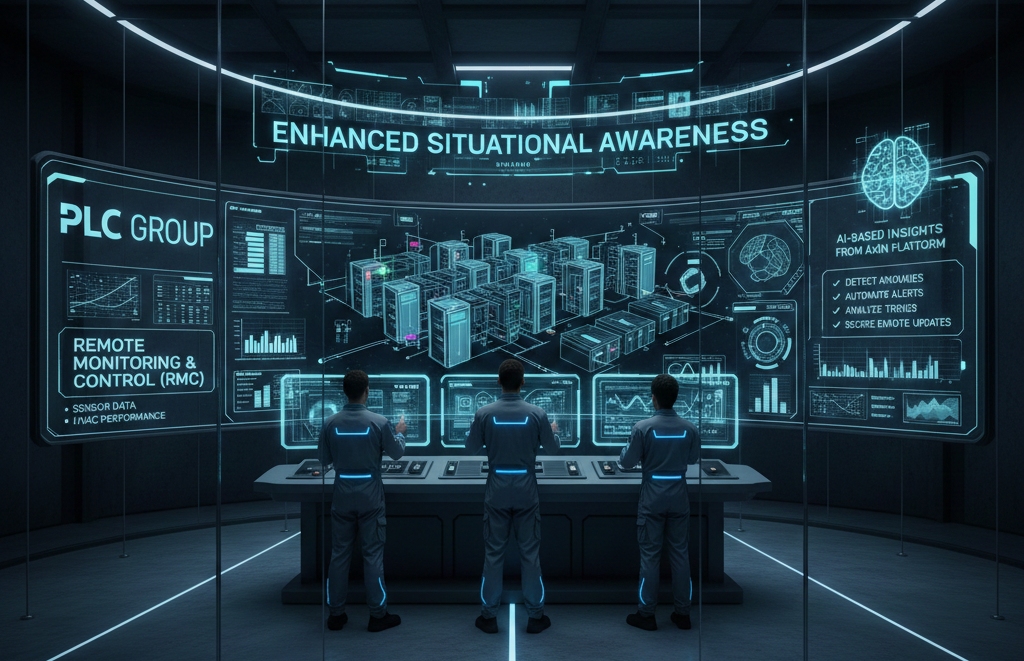
PLC Group integrates monitoring capabilities directly into cooling infrastructure through its Remote Monitoring & Control platform. The platform provides centralized dashboards, automated alerts, and analytics for proactive cooling management.
Environmental Conditions That Affect Free Air Cooling Performance
Free air cooling systems perform differently based on changing environmental factors. Monitoring these conditions continuously helps maintain cooling efficiency and equipment reliability.
- Temperature Variations
Outdoor temperatures can change rapidly during seasonal transitions or peak daytime conditions. If external air becomes warmer than acceptable thresholds, facilities may experience hotspots or uneven cooling distribution.
Continuous monitoring allows systems to shift automatically between free cooling and mechanical cooling modes. PLC Group cooling systems use intelligent controls and adaptive cooling strategies to optimize energy consumption while protecting equipment.
- Humidity Fluctuations
Humidity control is essential in data centers and telecommunications facilities. Excess moisture can lead to condensation, while low humidity increases static discharge risks.
A properly configured HVAC cooling system continuously monitors humidity levels and adjusts environmental controls accordingly. PLC Group cooling solutions include precision humidity regulation designed for mission-critical operations.
- Airflow Imbalance
Free air cooling depends on balanced airflow across racks, equipment rooms, and ventilation systems. Uneven airflow may create localized heat buildup that reduces equipment lifespan.
Differential pressure sensors and airflow monitoring help detect blocked filters, duct restrictions, or airflow inconsistencies before they affect operations. PLC Group pressure monitoring solutions support real-time airflow analysis and predictive maintenance.
How Continuous Monitoring Improves Cooling Efficiency
Environmental monitoring does more than prevent failures. It also improves energy optimization and long-term operational performance.
- Automated Cooling Adjustments
Modern cooling systems use real-time environmental data to adjust cooling output automatically. Intelligent controls reduce unnecessary compressor usage and improve free cooling utilization.
PLC Group solutions support adaptive cooling setpoints and ongoing optimization for energy-efficient operation.
- Predictive Maintenance
Monitoring systems identify early signs of cooling inefficiencies. Pressure changes, airflow reduction, or abnormal temperature patterns may indicate developing issues within HVAC equipment.
Predictive maintenance reduces unplanned downtime and helps organizations schedule repairs before failures occur. PLC Group monitoring systems provide anomaly detection, alarm management, and AI-driven analytics for proactive maintenance planning.
- Reduced Energy Waste
Cooling systems account for a large portion of facility energy usage. Continuous monitoring helps operators optimize cooling performance based on actual environmental demand rather than fixed operating schedules.
PLC Group cooling technologies are designed to reduce cooling energy consumption significantly through free air cooling strategies, intelligent monitoring, and analytics-driven optimization.
The Role of Remote Monitoring in Critical Facilities
Modern infrastructure often operates across multiple remote locations. Telecom operators, utilities, and distributed data center environments require centralized environmental visibility.
An HVAC monitoring system connected to remote analytics platforms allows facility managers to monitor conditions from anywhere. Real-time alarms, remote troubleshooting, and centralized dashboards reduce response time during operational incidents.
PLC Group’s RMC platform provides:
- Centralized environmental monitoring
- Automated alerts for threshold breaches
- Remote firmware updates and configuration
- AI-driven analytics and actionable intelligence
- Integration with SNMP, Modbus, BACnet, and MQTT protocols
These capabilities support operational continuity while improving energy efficiency across distributed infrastructure environments.
Why Data Centers Require Environmental Monitoring With Free Cooling
Data centers generate continuous heat loads and require stable environmental conditions at all times. Even short-term cooling instability can affect server reliability and operational uptime.
Free air cooling introduces external environmental variables into highly controlled environments. Continuous monitoring helps data centers maintain:
- Stable inlet temperatures
- Balanced humidity levels
- Proper rack airflow
- Reduced PUE values
- Continuous operational uptime
PLC Group cooling systems integrate precision airflow management, intelligent controls, and real-time analytics to support high-density facilities and mission-critical operations.
How PLC Group Supports Intelligent Cooling Operations
PLC Group combines environmental monitoring, remote visibility, and advanced cooling technologies into a unified infrastructure management ecosystem. The company supports telecommunications, data centers, utilities, cable landing stations, and public safety networks with scalable cooling and monitoring solutions.
Key capabilities include:
- Remote monitoring and control platforms
- Precision cooling systems
- Differential pressure monitoring
- AI-driven analytics
- Energy optimization tools
- Multi-vendor HVAC integration
- Predictive maintenance insights
Through actionable intelligence and continuous monitoring, organizations gain better operational control while improving cooling efficiency and reducing energy costs.
Building Reliable Free Air Cooling Strategies
Free air cooling can significantly improve energy efficiency, but it requires accurate environmental awareness to operate safely and effectively. Temperature changes, humidity shifts, and airflow variations can quickly affect critical infrastructure performance.
A modern HVAC remote monitoring system provides the visibility needed to maintain cooling reliability, optimize energy usage, and reduce operational risk. Facilities that combine intelligent monitoring with adaptive cooling controls are better positioned to achieve long-term uptime and sustainability goals.
PLC Group continues to support critical infrastructure environments with advanced monitoring, precision cooling, and actionable intelligence platforms designed for modern operational demands.