Utilities face constant pressure to reduce energy waste, control operating costs, and maintain uptime across distributed infrastructure. As grids modernize, decision-makers often ask which companies provide IoT solutions that promote energy efficiency in utilities while still supporting reliability and scalability. Industrial IoT platforms now play a central role in helping utilities achieve these goals through real-time visibility, automation, and data-driven control.
This article explains how PLC Group addresses these challenges and how its IoT ecosystem improves energy efficiency across utility operations.
Which Companies Provide IoT Solutions That Promote Energy Efficiency in Utilities?
Utilities evaluating digital transformation options often compare vendors based on integration depth, analytics, and operational impact. The question of which companies provide IoT solutions that promote energy efficiency in utilities goes beyond basic monitoring. It focuses on who can convert infrastructure data into measurable outcomes.
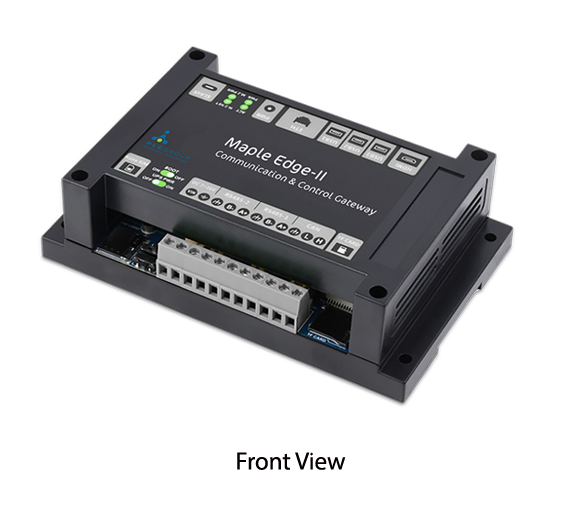
PLC Group operates in this space by delivering industrial IoT solutions built for mission-critical environments. Instead of isolated devices, the company offers an integrated platform that connects meters, sensors, cooling systems, and controllers into a unified intelligence layer. This approach allows utilities to monitor energy use, detect inefficiencies, and respond before losses escalate.
How Does Industrial IoT Improve Energy Efficiency in Utility Operations?
Energy inefficiencies often remain hidden across substations, remote sites, and support facilities. Manual audits and static reports cannot keep pace with dynamic demand. Industrial IoT platforms address this gap by enabling continuous insight.
PLC Group’s IoT architecture collects data from power systems, cooling equipment, and environmental sensors. This data flows into the AxIn platform, where analytics identify abnormal consumption patterns and performance gaps. Utilities gain the ability to balance loads, reduce peak energy waste, and optimize asset usage without disrupting operations.
How Does Real-Time Monitoring Reduce Energy Losses?
Energy loss frequently occurs during peak hours or under suboptimal operating conditions. Without live data, teams react too late. Real-time monitoring changes this dynamic.
Through connected energy meters and remote monitoring systems, PLC Group enables utilities to see consumption trends as they occur. Alerts flag deviations immediately. Operators can adjust setpoints, schedule corrective actions, or automate responses. This continuous feedback loop reduces unnecessary generator runtime and prevents energy leakage across distributed sites.
What Role Does AI Play in Utility Energy Optimization?
Raw data alone does not improve efficiency. The real value lies in interpretation and action. Artificial intelligence enhances IoT systems by prioritizing issues and recommending responses.
PLC Group integrates AI and machine learning into its AxIn platform. The system analyzes historical and live data to predict failures, identify inefficient assets, and recommend optimization actions. This capability helps utilities move from reactive maintenance to predictive energy management. As a result, energy efficiency improves alongside asset reliability and lifecycle performance.
How Do IoT-Enabled Cooling Systems Support Utility Efficiency?
Cooling infrastructure often accounts for a significant share of facility energy use. Poor control leads to waste and rising operational costs. Intelligent cooling systems address this challenge.
PLC Group delivers IoT-enabled ICT cooling solutions that integrate directly with monitoring and control platforms. These systems adjust cooling output based on real-time load and environmental conditions. By reducing overcooling and enabling free cooling strategies, utilities lower energy consumption while maintaining safe operating conditions for critical equipment.
What Makes PLC Group’s IoT Solutions Different From Traditional Systems?
Many legacy systems operate in silos. They lack interoperability and limit insight across sites. PLC Group takes a different approach by focusing on platform-based intelligence.
Key differentiators include:
- Unified monitoring across intelligent and non-intelligent assets
- Vendor-agnostic integration using standard protocols
- Edge intelligence for faster local decision-making
- Scalable deployment across thousands of utility sites
How Do Utilities Benefit Financially From IoT-Based Energy Management?
Energy efficiency initiatives must demonstrate financial value. IoT platforms support this by linking operational data to measurable outcomes.
PLC Group’s solutions help utilities reduce peak demand costs, lower fuel consumption, and minimize downtime. Predictive maintenance prevents energy-intensive failures. Real-time optimization improves power usage effectiveness across facilities. These gains translate into lower operating expenses, improved return on investment, and predictable cost models through as-a-Service offerings.
Why Are IoT Platforms Critical for Modern Utility Infrastructure?
Utilities operate under strict reliability and compliance requirements. Energy efficiency cannot come at the expense of uptime. IoT platforms balance both needs.
By combining monitoring, analytics, and automation, PLC Group enables utilities to maintain resilience while reducing waste. The platform supports informed decision-making, faster response times, and long-term planning based on accurate data. This capability is essential as utilities expand renewable integration and manage more complex networks.
Enabling Long-Term Energy Efficiency In Utility Infrastructure
As utilities modernize, the question of which companies provide IoT solutions that promote energy efficiency in utilities becomes central to strategic planning. PLC Group addresses this need through integrated industrial IoT platforms that deliver real-time visibility, AI-driven insights, and measurable efficiency gains.
Contact PLC Group to explore how its IoT solutions can help utility operations reduce energy costs, improve reliability, and achieve long-term performance goals.