Rising thermal density turns cooling management into a controls problem, not a mechanical afterthought. If telemetry arrives late, incomplete, or isolated inside separate systems, operators can chase symptoms while sensitive equipment faces thermal stress, nuisance alarms, and avoidable downtime. An Industrial IoT Gateway closes that gap by moving sensor, controller, and equipment data into a usable operational layer.
Mature data centers increasingly treat cooling telemetry as a reliability input that informs workload resilience, maintenance planning, and energy discipline. The procurement decision should not center on gateway price alone; it should weigh protocol coverage, environmental durability, cybersecurity posture, and the ability to support clear communication between engineering, facilities, and operations. This article focuses on how gateway architecture changes cooling control decisions, rather than offering a shallow device overview.
How an Industrial IoT Gateway Solves Cooling Challenges
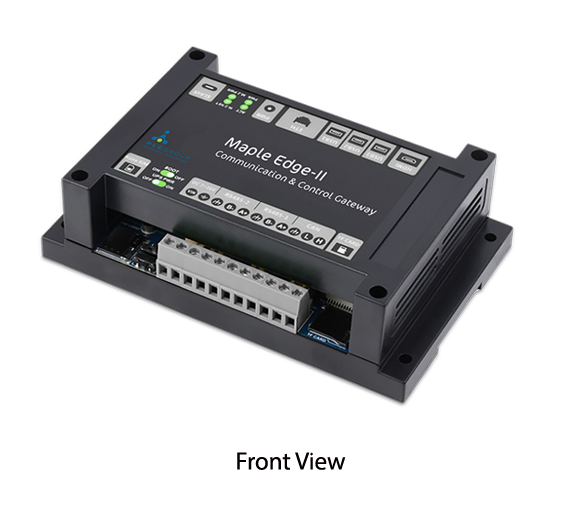
Cooling problems become manageable when telemetry is normalized before it reaches the dashboard. An Industrial IoT Gateway can collect signals from chillers, air handling equipment, environmental sensors, and supervisory controllers, then present them as a coherent operating picture. Teams most often gain value when thermal data is tied to equipment state, because a temperature rise without compressor, valve, fan, or alarm context can mislead maintenance priorities.
Continuous monitoring also changes the timing of intervention. Hotspots tend to develop through drift, blocked airflow, control loop instability, or delayed equipment response rather than sudden visible failure. The gateway layer supports predictive maintenance by exposing those patterns early enough for planned action. The key tradeoff is data volume versus decision clarity; excessive raw points can overwhelm staff, while filtered, contextual telemetry supports better uptime, energy efficiency, and OPEX control.
Integrating an Industrial IoT Gateway with Legacy Facility Infrastructure
Legacy integration fails less from aged hardware than from inconsistent data semantics. Facilities often operate building management systems, packaged cooling equipment, electrical monitors, and controller networks that were never designed to share a unified vocabulary. Communication Gateways reduce that friction by translating protocols and normalizing tags, alarms, and equipment states into a stream the monitoring platform can interpret without manual reconciliation.
A standard IoT gateway also protects future options. Open integration tends to outperform closed approaches when assets change, firmware evolves, or analytics requirements become more demanding. The selection criterion is not the broadest protocol list; it is dependable protocol handling, secure data routing, maintainable mapping logic, and support for the facility team after commissioning. For a deeper breakdown of controller strategy, see our guide on HVAC controller selection for critical infrastructure.
Why Facilities Choose PLC Group for Industrial IoT Gateway Implementation
Gateway projects succeed when the hardware specification is matched to the cooling risk profile, not purchased as a generic networking accessory. PLC Group is a leader in HVAC controllers for telecom and critical infrastructure operators that prioritize performance, reliability, and operational control. Its approach centers on turnkey hardware, managed services, and practical optimization support for facilities that need custom, economical solutions rather than unnecessary complexity.
Industrial operating environments tend to punish weak enclosures, unstable power design, poor protocol planning, and unclear ownership after installation. PLC Group’s solution-first process emphasizes innovation, teamwork, respect, and clear communication, so technical requirements, budget expectations, and maintenance responsibilities stay aligned. The strategic value of an Industrial IoT Gateway is materially lower cooling risk with better visibility into energy use, OPEX pressure, and uptime exposure. Facility managers seeking improved thermal control should request a consultation to evaluate fit, integration path, and lifecycle support.