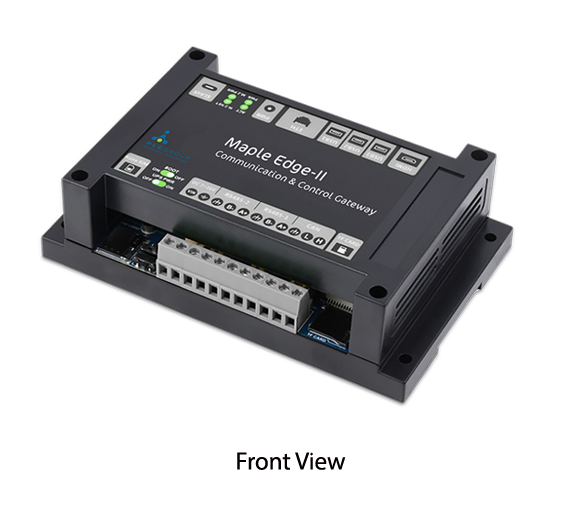
The TCU-NG2 from PLC Group delivers universal remote monitoring and control engineered for the operational realities of telecom networks, data centres, and critical infrastructure sites. Designed for environments where downtime carries steep consequences, the controller consolidates site oversight, environmental awareness, and equipment control into a single, hardened platform. Whether your teams manage a handful of shelters or thousands of distributed sites, the TCU-NG2 provides consistent visibility and actionable intelligence across the estate.
What Is a Universal Remote Monitoring Controller?
A universal remote monitoring controller is a field-deployed device that collects data from equipment and sensors, executes local control logic, and communicates with centralized platforms to enable remote oversight of distributed infrastructure sites. It also supports configurable, high-frequency data acquisition, allowing the controller to rapidly sample critical sensor parameters and capture changes or abnormal conditions in near real time. This enables faster fault detection and response, including the identification of critical events within milliseconds where the application requires it.
Key Features of the TCU-NG2 Controller
Built to slot into mixed-generation infrastructure without forcing costly overhauls, the TCU-NG2 controller supports a broad protocol footprint and flexible I/O.
- Multi-protocol compatibility that bridges legacy field equipment with modern IP-based systems, protecting prior investments.
- Substantial onboard I/O capacity with digital, analogue, and serial interfaces for direct integration with HVAC, rectifiers, and sensors.
- Local processing that maintains control logic during upstream network interruptions, avoiding blind spots.
- Adaptive alarm management with threshold learning, event correlation, and prioritization to cut through operational noise.
- Real-time environmental monitoring covering temperature, humidity, intrusion, power, and custom sensor inputs.
Operational Benefits for Infrastructure Teams
The TCU-NG2 universal controller is designed to reduce operational friction and shift teams from reactive dispatch to proactive site management.
- Fewer truck rolls through remote diagnostics, remote resets, and live telemetry that resolve issues before technicians are dispatched.
- Energy efficiency gains from tighter HVAC and power control loops, reducing OPEX at cooling-intensive sites.
- Scalable rollout across distributed and multi-site deployments, with consistent configuration templates and firmware baselines.
- Reduced mean time to repair through richer contextual data at the point of alarm.
- Extended asset life supported by continuous condition monitoring and early anomaly detection.
Technical Specifications
Engineered for outdoor cabinets, shelters, and equipment rooms, the controller balances rugged hardware with the interfaces field engineers expect. It supports a wide DC power input range typical of telecom power plants, an extended operating temperature range for uncontrolled enclosures, and a compact form factor for DIN-rail or panel mounting. Communication interfaces include Ethernet, serial, and USB, with native support for Modbus, I2C, RTU/TCP, SNMP, and other industry-standard protocols used across power, cooling, and access control systems.
How the TCU-NG2 Controller Supports Field Deployments
The TCU-NG2 universal controller is deployed in telecom shelters, macro and small-cell tower sites, cable landing stations, edge data centres, and utility substations. On-site, it interfaces directly with HVAC units, rectifiers, generators, fuel systems, door sensors, and environmental probes, consolidating disparate equipment into a single monitored endpoint. Remote configuration, secure firmware management, and template-based provisioning allow distributed teams to commission and update sites without repeated site visits.

Industries and Sectors Served
Our TCU-NG2 controller supports mobile network operators, tower companies, hyperscale and colocation data centres, cable landing station operators, and utilities managing dispersed assets. Deployments span North America, Europe, ASPAC, and MEA regions, adapting to regional power standards, climatic extremes, and regulatory environments without requiring bespoke redesign.
How the TCU-NG2 Integrates with PLC Group’s RMC Platform
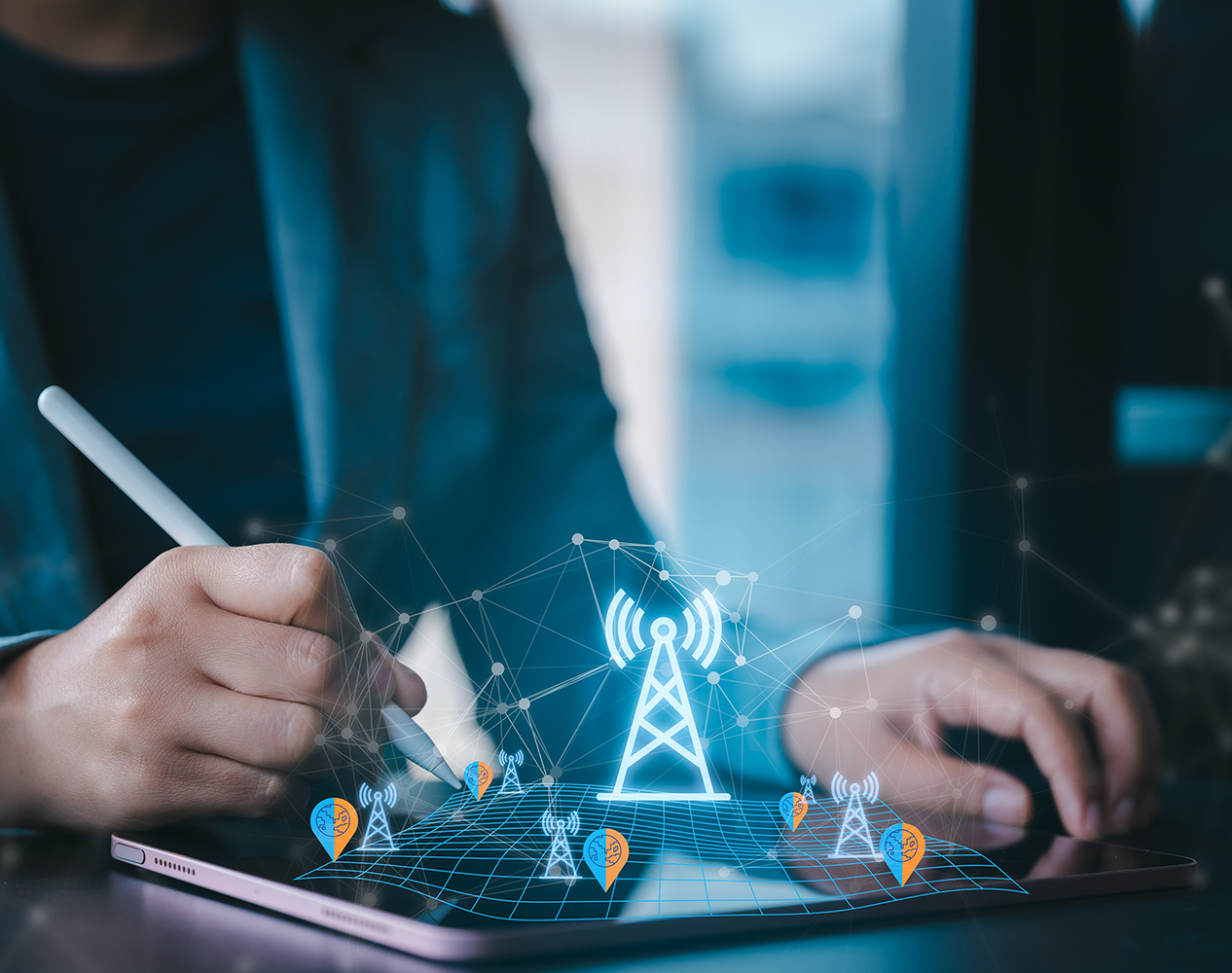
Field data collected by the controller flows into our Remote Monitoring and Control platform, delivering centralized visibility, role-based dashboards, and unified alarm workflows across your entire estate. AxIn analytics layers on top of this data stream to surface trends, predict failures, and inform capacity and energy decisions, turning raw telemetry into operational strategy. This translates into measurable OPEX reduction while improving network availability, asset utilization, and overall operational efficiency.