Telecommunications infrastructure spans thousands of distributed sites. These include towers, base stations, cable landing stations, and remote facilities. Each location requires constant monitoring, maintenance, and operational oversight.
Managing large telecom networks without centralized visibility often increases operational costs. Issues such as equipment failures, inefficient energy usage, and delayed fault detection can escalate expenses quickly.
This challenge has encouraged telecom operators to adopt telecom management software platforms that provide real-time monitoring, automation, and data-driven insights. These technologies transform traditional network operations into intelligent infrastructure management systems.
By combining industrial IoT sensors, advanced analytics, and automation, telecom organizations gain visibility into infrastructure performance across multiple locations. The result is improved operational control, optimized maintenance, and lower operational expenses.
Companies such as PLC Group deliver integrated monitoring ecosystems designed for mission-critical telecom infrastructure. Their solutions convert operational data into actionable intelligence that improves cost control and performance across distributed sites.
Why Does Multi-Site Telecom Infrastructure Create Cost Challenges?
Telecom infrastructure networks are geographically distributed. Towers, switching equipment, and communication facilities often operate in remote areas.
Without centralized monitoring, managing these assets becomes complex. Field teams may need to travel long distances for routine inspections or troubleshooting. These activities increase labor costs and operational delays.
A lack of real-time visibility also makes it difficult to identify inefficiencies. Power consumption spikes, equipment failures, or connectivity problems may go unnoticed until service disruption occurs.
Multi-site operations introduce several cost challenges:
- Higher operational costs from manual monitoring
- Delayed fault detection that leads to service outages
- Increased maintenance expenses due to reactive repairs
- Inefficient energy usage across the distributed infrastructure
- Compliance risks related to tower lighting or safety systems
To address these issues, telecom operators increasingly deploy telecom management software platforms that provide centralized oversight of network assets.
These solutions integrate sensors, monitoring hardware, and analytics software into one system. Operators gain visibility into performance, energy consumption, and equipment health across thousands of locations.
How Does Telecom Management Software Support Cost Control?
Effective telecom infrastructure management requires continuous monitoring of network assets. Telecom management platforms consolidate operational data into a single interface, allowing operators to analyze performance and identify inefficiencies.
Telecom management software enables organizations to manage telecom infrastructure more efficiently by combining automation, analytics, and remote monitoring.
These systems provide several capabilities:
- Real-time monitoring of telecom towers and network equipment
- Centralized dashboards for multi-site infrastructure visibility
- Automated alerts for equipment failures and operational anomalies
- Data-driven analytics for infrastructure optimization
- Predictive maintenance capabilities
By consolidating operational insights into one platform, telecom operators can quickly identify issues that would otherwise increase operational expenses.
Automation also reduces reliance on manual inspections. Network engineers receive alerts instantly when a fault occurs, allowing faster response and minimizing downtime.
Why Is Industrial Tower Light Monitoring Important for Telecom Networks?
Telecom towers are required to maintain aviation obstruction lights. These lights warn aircraft about tall structures and must remain operational at all times.
Manual inspection of tower lights across hundreds of sites is inefficient. Operators may only discover failures during scheduled inspections, which creates safety and compliance risks.
An industrial tower light monitoring system solves this challenge by continuously monitoring tower lighting infrastructure.
Sensors and controllers track the operational status of aviation lights. If a failure occurs, the system automatically triggers alerts to network operators.
Key advantages of tower light monitoring include:
- Continuous monitoring of aviation obstruction lighting
- Automated alerts when tower lights fail
- Faster response to maintenance issues
- Reduced site inspection costs
- Improved regulatory compliance
These monitoring systems integrate with telecom monitoring platforms. Operators gain centralized visibility into tower lighting performance across the entire network.
This capability helps prevent compliance violations and reduces operational risk.
How Does a Telecom Tower Management Solution Improve Network Visibility?
Telecom networks involve multiple layers of infrastructure. Towers, power systems, cooling equipment, and communication devices must operate together.
A telecom tower management solution integrates monitoring capabilities across these components. The system collects data from sensors, controllers, and connected devices deployed at remote sites.
The collected information is transmitted to centralized monitoring platforms where analytics engines process the data.
Through dashboards and automated reports, telecom operators gain a comprehensive view of network performance.
The solution improves infrastructure visibility by providing:
- Real-time performance metrics across multiple telecom sites
- Operational insights for power usage and equipment status
- Historical data for performance analysis
- Remote diagnostics for faster troubleshooting
Centralized monitoring also enables network teams to manage thousands of remote assets without visiting each location physically.
As a result, telecom organizations can scale operations while maintaining operational efficiency.
How Do IoT Monitoring Platforms Optimize Telecom Infrastructure Performance?
Industrial IoT technologies have transformed telecom infrastructure management. Sensors installed at telecom sites continuously collect operational data.
This data includes power consumption, environmental conditions, equipment performance, and tower lighting status.
IoT-enabled monitoring systems transmit the data securely to centralized platforms. Advanced analytics then convert the information into actionable insights.
These platforms support several operational improvements:
- Predictive maintenance that detects equipment failures early
- Energy optimization across telecom sites
- Automated monitoring of remote infrastructure
- Faster troubleshooting through remote diagnostics
- Improved service reliability
Predictive maintenance is particularly valuable for telecom networks. Analytics engines detect abnormal patterns in operational data. Maintenance teams receive alerts before equipment failure occurs.
This proactive approach prevents costly downtime and extends asset lifespan.
How Does Real-Time Monitoring Improve Operational Efficiency?
Real-time monitoring technologies allow telecom operators to manage distributed infrastructure more effectively.
Instead of relying on periodic inspections, operators receive continuous updates on infrastructure performance.
Monitoring platforms collect data from multiple sources, including sensors, controllers, and power systems. The information is analyzed instantly to detect anomalies or inefficiencies.
Real-time monitoring improves operational efficiency in several ways:
- Early detection of network faults
- Immediate alerts for infrastructure issues
- Faster maintenance response times
- Reduced downtime across telecom networks
The ability to monitor thousands of sites from one interface dramatically improves operational productivity.
Network operators can quickly prioritize maintenance tasks and allocate resources where they are most needed.
What Role Does Data Analytics Play in Telecom Infrastructure Management?
Operational data generated by telecom infrastructure is extremely valuable. However, raw data alone does not provide actionable insights.
Advanced analytics platforms convert operational data into meaningful intelligence. These insights help telecom operators identify inefficiencies and optimize network performance.
Analytics engines evaluate data from multiple sources. They analyze patterns in energy consumption, equipment performance, and site operations.
This analysis enables telecom organizations to make better operational decisions.
For example, analytics tools can identify telecom sites that consume excessive energy. Operators can then adjust power configurations to reduce operational expenses.
Predictive analytics also helps forecast potential infrastructure failures. Maintenance teams can address problems before service disruptions occur.
How Do Integrated Monitoring Platforms Reduce Telecom Operating Costs?
Managing telecom infrastructure across large geographic areas often requires significant resources. Site visits, manual monitoring, and reactive repairs increase operational expenses.
Integrated monitoring platforms help telecom organizations reduce these costs by automating infrastructure management.
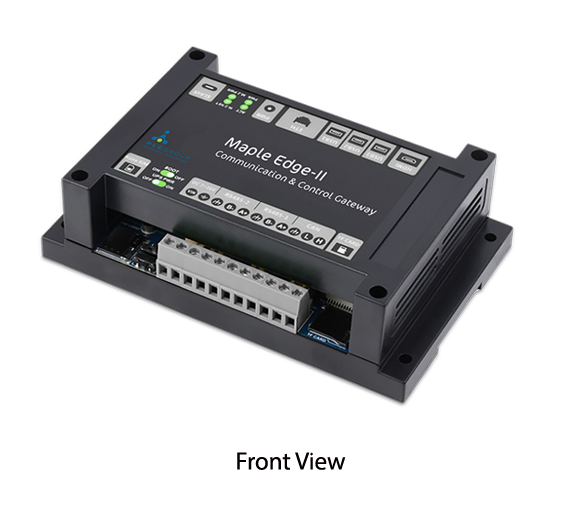
These systems combine remote monitoring hardware, IoT sensors, and analytics software. The integrated platform continuously monitors site performance and infrastructure health.
Centralized monitoring eliminates unnecessary site inspections. Operators can analyze infrastructure performance remotely and dispatch maintenance teams only when necessary.
This approach reduces travel expenses, labor costs, and operational downtime.
Telecom operators also benefit from improved energy management. Monitoring platforms identify inefficient equipment or abnormal power usage patterns.
Optimizing energy consumption across telecom sites leads to significant cost savings over time.
How Does PLC Group Support Telecom Infrastructure Optimization?
PLC Group provides industrial IoT and remote monitoring solutions designed for critical infrastructure environments. The company delivers integrated platforms that combine monitoring hardware, analytics software, and automation tools.
Founded in 2014 and headquartered in Mississauga, Ontario, PLC Group focuses on converting operational data into measurable financial value.
Its core solutions include the AxIn platform, which uses artificial intelligence and machine learning to analyze infrastructure data.
PLC Group solutions support telecom operators by enabling:
- Real-time monitoring of telecom infrastructure
- Predictive maintenance across distributed sites
- Energy optimization for telecom facilities
- Automated alerts and operational analytics
The company serves industries including telecommunications, data centers, cable landing stations, renewable energy facilities, utilities, and public safety networks across North America.
Through flexible service models such as Actionable Intelligence, RMS, and Cooling as a Service, PLC Group helps organizations manage infrastructure more efficiently.
These platforms allow telecom operators to extend asset life, prevent downtime, and improve return on infrastructure investments.
How Can Telecom Operators Achieve Long-Term Infrastructure Efficiency?
Modern telecom networks require intelligent infrastructure management strategies. As network footprints grow, operational complexity increases across towers, equipment, and remote facilities.
Centralized monitoring platforms help operators maintain clear visibility across all network assets. This visibility improves operational planning, speeds up incident response, and supports more efficient maintenance operations.
Advanced telecom management software allows organizations to monitor infrastructure performance in real time while identifying inefficiencies across distributed telecom sites. These platforms combine monitoring, analytics, and automation to provide actionable insights for infrastructure teams.
With real-time alerts and predictive analytics, operators can detect issues earlier and resolve them before they affect service availability. This proactive approach reduces downtime, improves network reliability, and extends the lifespan of critical infrastructure assets.
Companies that adopt intelligent monitoring platforms can significantly reduce operational costs while improving service quality across multi-site networks.
PLC Group delivers advanced industrial IoT and remote monitoring solutions designed for telecom and critical infrastructure environments. Contact PLC Group to discover how intelligent monitoring platforms can improve operational efficiency and cost control across large telecom networks.