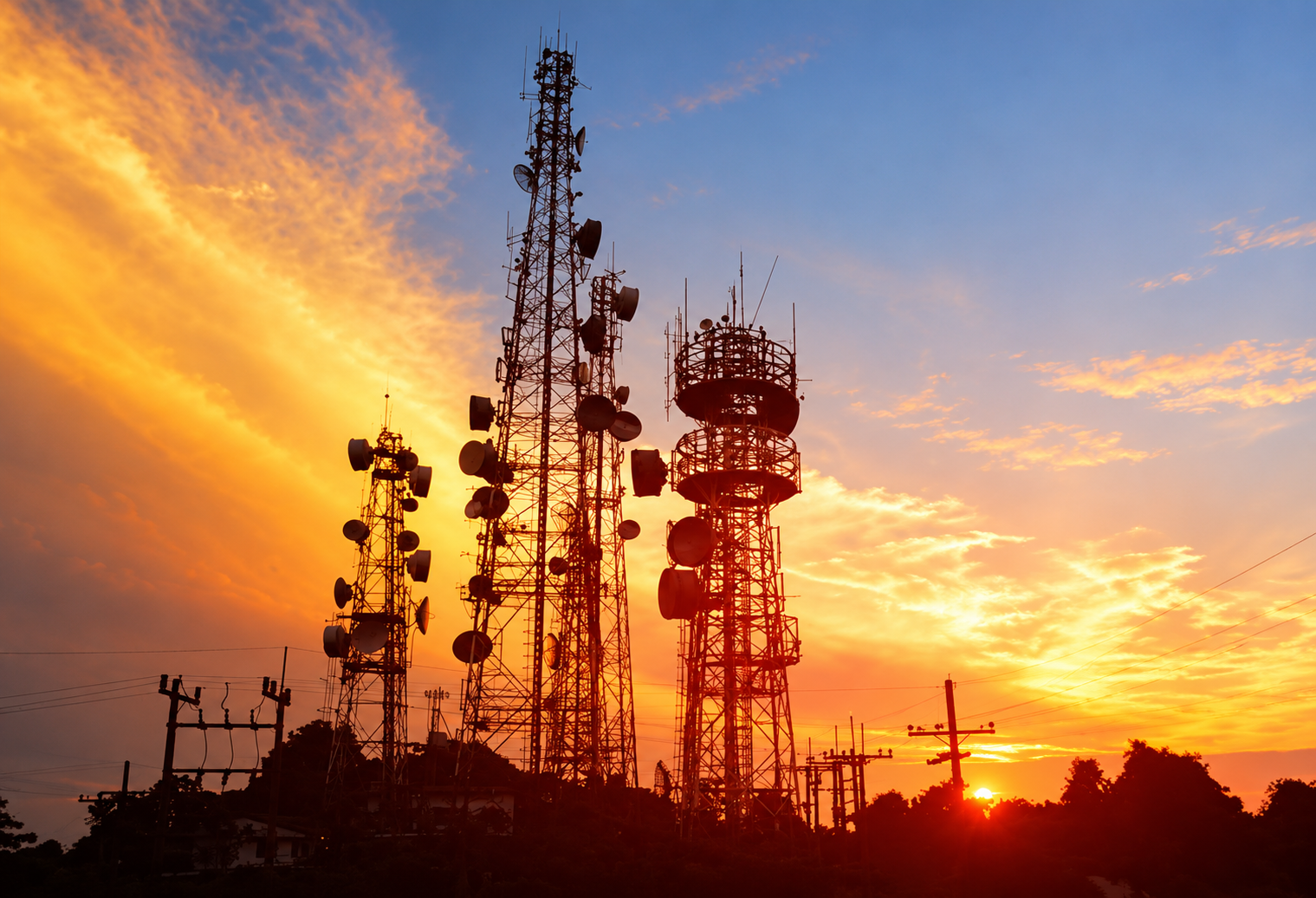
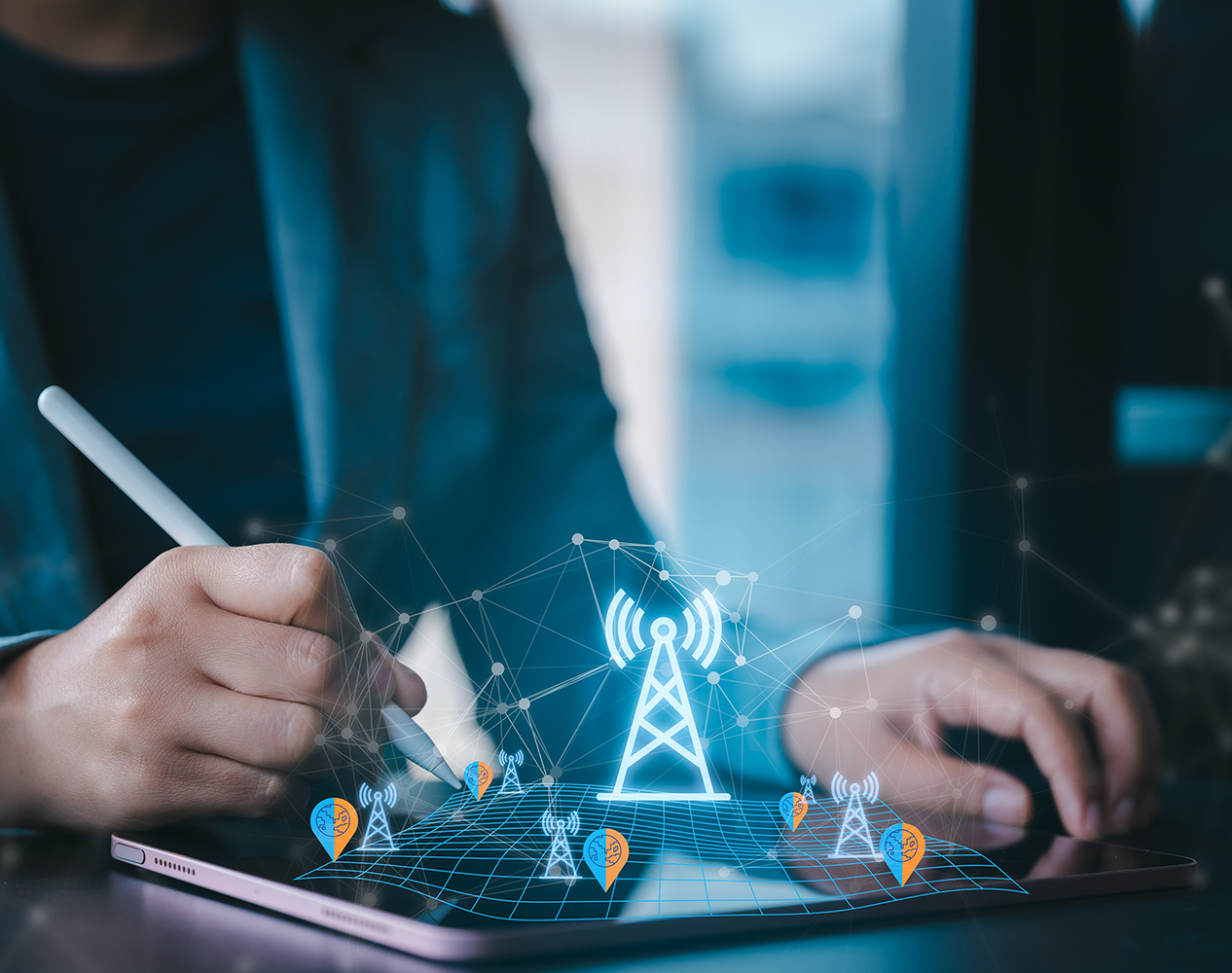
Critical infrastructure depends on continuous visibility and fast response times. Facilities such as telecom networks, data centers, and utilities cannot rely on manual inspections alone. Reliable monitoring hardware helps operators detect issues before they affect uptime or operational stability.
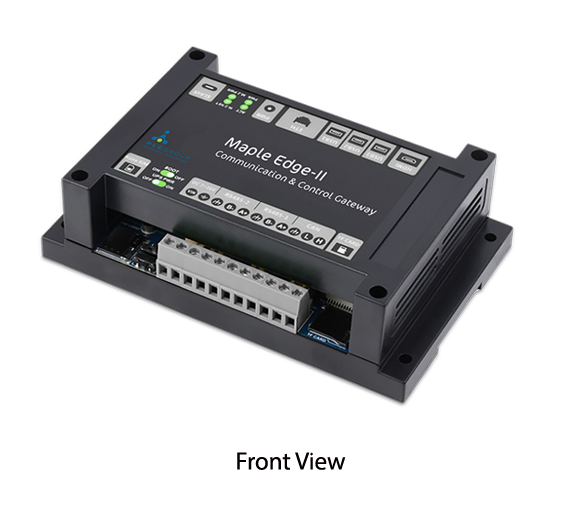
Many organizations now work with remote monitoring hardware providers to improve asset visibility and reduce downtime risks. These systems collect operational data from multiple devices and convert it into actionable insights through centralized dashboards and analytics.
PLC Group supports this approach through industrial IoT platforms, AI-driven monitoring, and scalable remote monitoring solutions for mission-critical environments.
What Features Should Organizations Compare in Remote Monitoring Hardware?
Not all monitoring systems deliver the same level of performance. Infrastructure operators should evaluate both hardware reliability and integration flexibility before selecting a provider.
Key areas to review include:
- Real-time monitoring and alarm capabilities
- Compatibility with SCADA, BMS, and DCIM platforms
- Multi-vendor device integration support
- AI-driven analytics and predictive maintenance tools
- Secure communication protocols such as SNMP and Modbus
- Remote firmware updates and configuration management
Strong Remote monitoring hardware providers also support scalability. Infrastructure systems often expand across multiple locations, requiring centralized monitoring without major hardware replacement.
How Important Is Integration for Critical Infrastructure Monitoring?
Integration directly affects operational efficiency. Remote monitoring hardware should connect easily with existing facility systems, including HVAC controls, sensors, gateways, and energy management platforms.
Poor integration creates isolated data streams. This limits visibility and slows operational decisions. Advanced monitoring ecosystems eliminate these silos through unified dashboards and automated workflows.
PLC Group combines remote monitoring hardware with its AxIn platform to help organizations manage energy performance, cooling systems, and infrastructure assets from one interface. This approach improves operational consistency across distributed facilities.
How Can Remote Monitoring Hardware Improve Energy Efficiency?
Energy costs continue to rise across telecom and data center environments. Monitoring hardware plays an important role in identifying inefficiencies and reducing unnecessary power usage.
Real-time visibility allows operators to:
- Detect abnormal energy consumption
- Optimize cooling performance
- Monitor battery and generator health
- Improve load balancing strategies
- Reduce avoidable operational waste
Remote monitoring hardware providers that include analytics and automation capabilities often deliver stronger long-term value. Predictive maintenance also extends equipment life and reduces emergency repair costs.
What Security and Reliability Standards Should Providers Support?
Infrastructure monitoring systems manage sensitive operational data. Cybersecurity should remain a major evaluation factor when selecting monitoring hardware.
Organizations should look for:
- Encrypted communication protocols
- Role-based access controls
- Secure remote connectivity
- Redundant monitoring architecture
- Reliable uptime performance
Reliable providers also offer remote diagnostics and proactive alert systems. These capabilities help operators respond faster during network, cooling, or power-related incidents.
PLC Group supports critical infrastructure environments with integrated monitoring, AI analytics, and automation technologies designed for reliability and operational continuity.
Which Factors Help Identify Long-Term Monitoring Partners?
Selecting monitoring hardware is not only a technology decision. It is also a long-term operational investment. Providers should demonstrate technical expertise, scalability, and industry experience across mission-critical environments.
Organizations often benefit from vendors that support:
- Multi-site deployments
- Predictive maintenance strategies
- Remote troubleshooting capabilities
- Flexible infrastructure growth
- Ongoing technical support
PLC Group delivers remote monitoring and industrial IoT solutions for telecommunications, renewable energy, utilities, data centers, and public safety networks.
Why Does Choosing the Right Provider Support Better Infrastructure Performance?
The right monitoring strategy improves visibility, uptime, and operational control across critical facilities. Infrastructure operators need reliable hardware, secure connectivity, and intelligent analytics to maintain long-term performance.
Experienced remote monitoring hardware providers help organizations reduce downtime risks, optimize energy usage, and improve operational efficiency through real-time monitoring and predictive insights.
Contact PLC Group to learn more about intelligent remote monitoring solutions for critical infrastructure systems.