Telecom networks depend on stable tower lighting systems. A single failure can trigger regulatory risks and safety concerns. Operators often rely on utility power alerts for visibility. However, tower light monitoring systems provide direct control and real-time site intelligence. The difference affects uptime, compliance, and operational cost.
Why Do Telecom Towers Require Dedicated Monitoring?
Tower lighting is a regulated safety requirement. Aviation authorities require consistent obstruction lighting. Power disruptions, faulty relays, or controller failures can cause outages without warning.
Utility power alerts only report grid interruptions. They do not detect light controller malfunctions. They also do not confirm whether the lights are functioning correctly.
Dedicated tower light monitoring systems continuously verify light status, power supply, and alarm conditions. They provide site-level visibility rather than grid-level assumptions.
What Are the Limitations of Utility Power Alerts?
Utility notifications serve a basic function. They inform operators when grid power drops. That is useful but incomplete.
Utility alerts cannot:
- Confirm if obstruction lights are operational
- Detect controller, photocell, or relay faults
- Provide remote reset capabilities
- Track historical lighting performance trends
These gaps create compliance risks. They also increase manual inspection costs.
How Do Tower Light Monitoring Systems Improve Reliability?
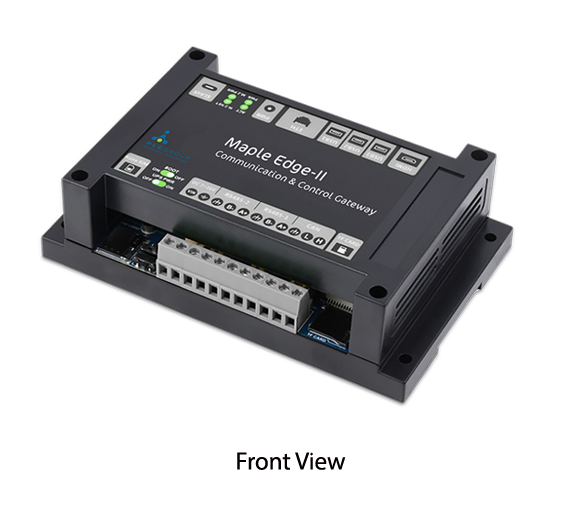
Modern tower light monitoring systems integrate directly with site infrastructure. They monitor lighting controllers, alarm outputs, and power sources in real time. Data flows into centralized dashboards for visibility and action.
Key advantages include:
- Real-time fault detection and alarm escalation
- Remote diagnostics and reset capability
- Automated compliance reporting
- Integration with Telecom Management Software platforms
This approach reduces truck rolls and manual audits. It also protects network uptime.
How Does Telecom Management Software Enhance Tower Oversight?
Lighting is only one component of site health. Leading operators integrate lighting data into broader Telecom Management Software ecosystems.
PLC Group delivers industrial IoT platforms that unify lighting, energy, and environmental monitoring. Through AI-powered analytics, operators gain predictive insights instead of reactive alerts.
Integrated Telecommunications Solutions connect tower lights with energy meters, cooling systems, and site controllers. This unified approach enables:
- Cross-platform alarm management
- SLA performance tracking
- Predictive maintenance scheduling
- Energy optimization strategies
The result is measurable operational efficiency.
Why Is Real-Time Visibility Critical for Compliance?
Regulatory bodies require accurate reporting. Missed light failures can result in penalties and safety exposure. Relying solely on utility alerts introduces blind spots.
AI-driven Telecommunications Solutions analyze alarm patterns and detect abnormal behavior. Historical data supports faster root cause analysis. Automated notifications reduce response time.
This level of control protects both compliance and revenue.
How Does PLC Group Strengthen Tower Monitoring Infrastructure?
PLC Group provides industrial IoT and remote monitoring platforms designed for critical infrastructure. Established in 2014 and headquartered in Mississauga, Ontario, the company converts operational data into financial value.
Its AxIn platform uses artificial intelligence and machine learning. Integrated hardware and software systems deliver predictive site management. Flexible as-a-Service models provide scalability and predictable operating costs.
For telecom operators, this means:
- Reduced downtime
- Extended asset life
- Lower energy consumption
- Improved return on investment
Tower lighting becomes part of a broader performance strategy.
Which Monitoring Strategy Delivers Greater Operational Control?
Utility power alerts offer limited visibility. They confirm outages but do not verify light functionality. Dedicated tower light monitoring systems provide direct monitoring, automation, and reporting.
When combined with Telecom Management Software and integrated Telecommunications Solutions, operators gain proactive control over network infrastructure.
Reliable tower lighting is not optional. It is a compliance requirement and a brand protection measure.
Partner with PLC Group to deploy intelligent Tower Light Monitoring Systems and transform site reliability through actionable intelligence.