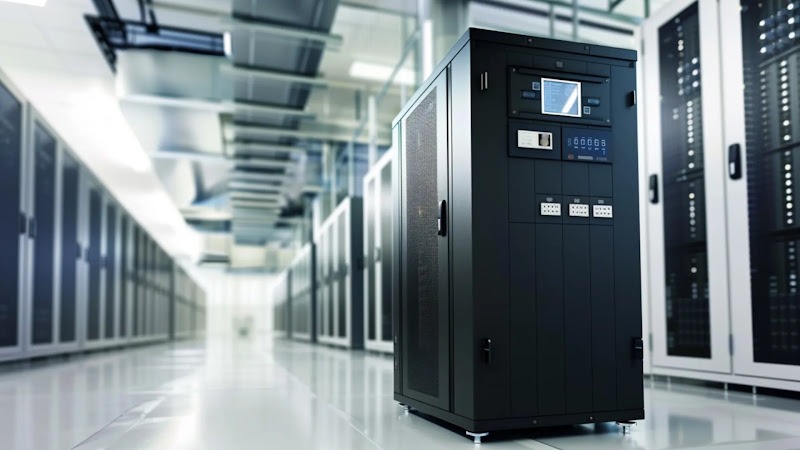
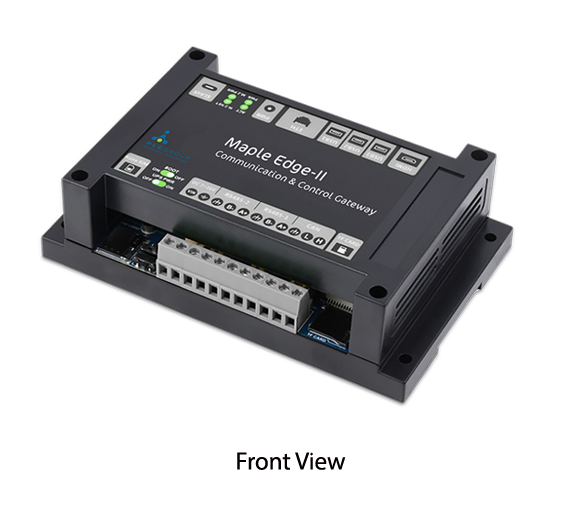
Smart Universal HVAC Controller for Telecom and Data Centres

HVAC systems form an important part of telecom and data centers as they help to maintain optimal network temperature. Many of the existing HVAC components are stand-alone and work on unbalanced schedules. This increases the load on most of the HVAC units leading to increased wear and tear, overconsumption of energy.

In the traditional model, HVAC controllers are non-intelligent and incapable of relaying useful information to the operators. In some cases, although there are intelligent controllers, they will usually be from different vendors and transfer only limited information. Also, such devices lack interoperability with the central processor due to the difference in the communication protocol.

Due to these reasons, such HVAC controllers can be configured and controlled only on the site, by local installation and management personnel. This poses a serious threat to remote accessibility and maintenance, delaying the execution of quick actions and precautionary measures.

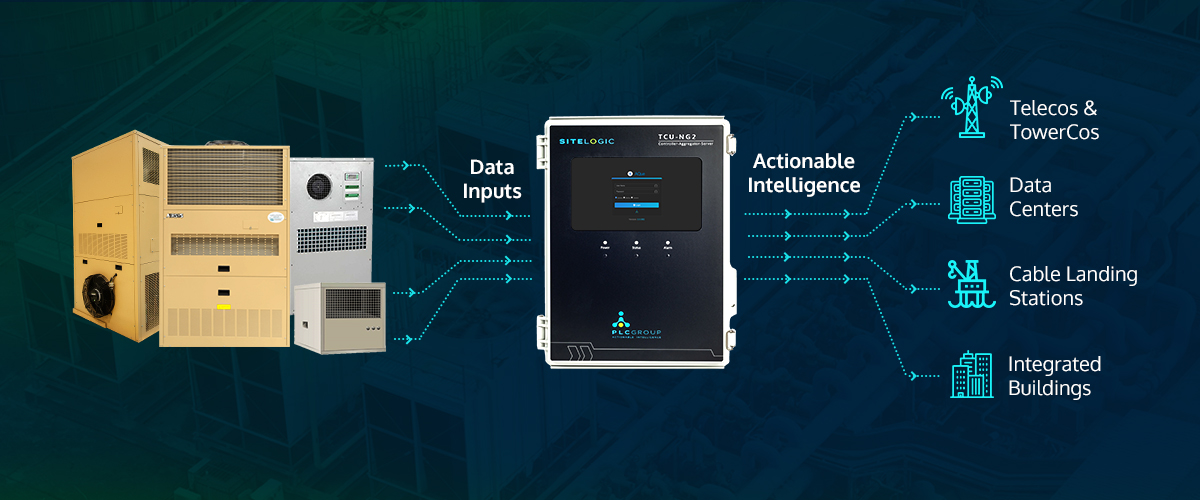
Newer technologies like AI, IoT, ML, and Big Analytics can be exploited to make HVAC controllers smarter. PLC has developed an HVAC controller that addresses most of these issues by communicating effectively with both intelligent and non-intelligent HVACs. PLC Group equips non-intelligent HVACs with smart sensors and then connects all the HVAC monitoring components at the Mission Critical facility. This removes the need for multiple HVAC controllers and facilitates data collection from every node of the network.

PLC’s smart universal HVAC controller is equipped with a multi-communication protocol to ensure cross-platform compatibility. It digitally integrates hardware and software with analytics and actionable intelligence. The collected data is relayed in real-time to the centralized monitoring system to facilitate remote analysis. Agile technologies are used to observe definite patterns exhibited by the collected information.

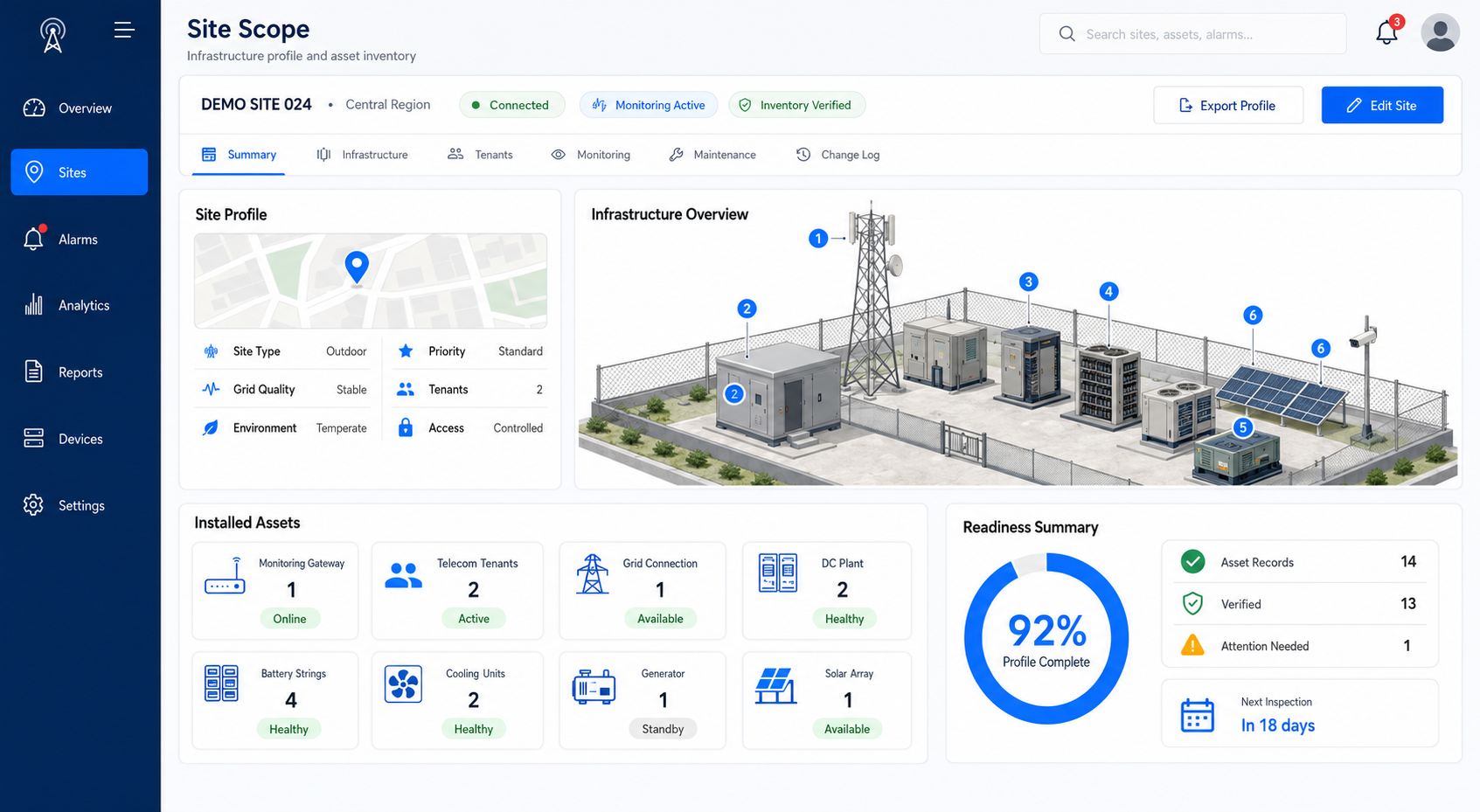
Installers, technicians, maintenance personnel, service providers, and others can access the data remotely. All modules can be configured and controlled using a single interface. The staff can examine the anomalies and can take quick corrective actions well in advance. This predictive maintenance optimizes the performance of HVACs while lowering their energy consumption.

This smart universal HVAC controller is also able to integrate with weather forecasting which helps to modify the settings with respect to changing temperatures. This results in reduced operational load and decreased fuel consumption.

Smart universal HVAC controllers optimize the temperature of the telecom and data centers under various conditions. This ensures adequate cooling for critical components and optimizes energy utilization, reduces network downtime, and lowers maintenance expenditure.

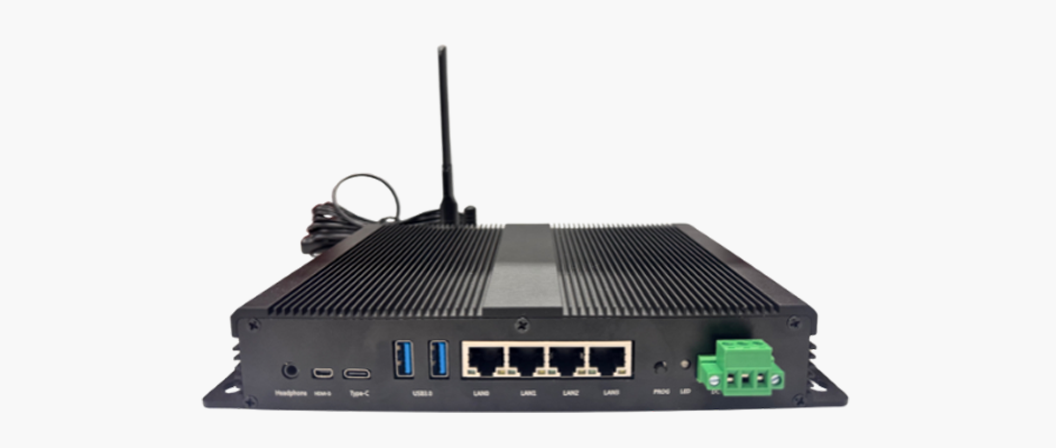
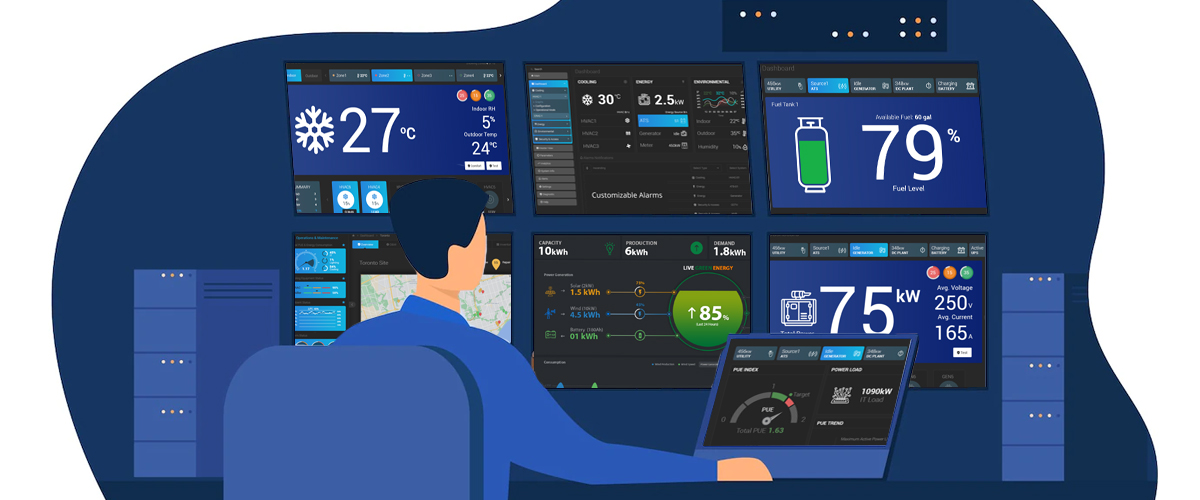
This controller supports various protocols including Modbus RTU/TCP, CAN, SNMP and BACnet. It establishes communication with remote devices via Ethernet, serial, or wireless means. Most of them are fitted with a large LCD panel that displays all the configured parameters.

This smart universal HVAC controller is a single-box solution that enhances the visibility of facility infrastructure. It can be configured either at the workstation through the use of an offline computer or remotely via web-enabled devices such as mobiles and laptops. It provides all necessary information at your fingertips and acts as an early warning system by conveying real-time notifications for operational errors and malfunctions.

Conclusion

The use of smart universal HVAC controllers is a comprehensive solution that aids the service providers to achieve optimal performance while ensuring business growth and profitability. It not only reduces the expenditure but also adds value to the infrastructure by ensuring better utilization of energy and aiding remote operation and maintenance.

Actionable Intelligence for a More Sustainable Telecom Industry

The telecom industry, a prime requirement of the current globally connected world, is persistently under pressure to reduce its energy consumption. Sustainability, being the need of the hour in every field, is forcing the telecom industry to transform its operations from conventional mode to contemporary one. This article presents a better insight into the phenomenon by emphasizing the importance of Actionable Intelligence.

Actionable Intelligence platform integrates many agile technologies like Artificial Intelligence (AI), Machine Learning (ML), Data Analytics, and Internet of Things (IoT). Actionable Intelligence, on the other hand, allows the system an ability to take necessary actions based on the data gathered. It helps to speculate the feasible threats that can hinder the efficiency of mission critical facilities, and aids in developing a suitable strategical plan to mitigate them.

Driving Actionable Intelligence into Action

Advanced sensors and IoT-enabled smart meters deployed at the site can precisely measure different operational parameters like fuel consumption, power dissipation, and battery voltages. This information is subjected to rigorous analysis to obtain the patterns of real-time demand, momentary data traffic, battery operational time, propagation loss, energy consumption, and network resource availability. The processed data can then be transferred to the operators in real-time.

Such Actionable Intelligence greatly facilitates human analysis as it increases transparency along the operational lane, and thus helps to mitigate errors. If any deviation is observed from the ideal condition, corrective calibration actions can be quickly undertaken from remote operating points. This automates the process of network-tuning, avoiding regular physical visits to the site. It in turn reduces the demand for testing and maintenance, associated transportation, and fuel costs.

When data analytics combines with the field of AI, unexpected system faults can be predicted well in advance. The real-time alerts generated can help to reduce the cost and time required to correct the system behavior. AI can even determine fraudulent behavior better than humans by eliminating many false positives. This aids in determining the most-likely data breaching and thus acts as a potential bottleneck for cybercrimes. The direct influence of this would be increased customer satisfaction and trust.

AI can be utilized in telecom industry right at the stage of network planning. Its ability to detect the paths with minimum propagation delays can be exploited to build an optimally configured network that assures huge energy savings. Once built, AI can be used to make quick, automated decisions of determining the parts of the system that can be temporarily put into sleep mode. These real-time decisions made based on data traffic minimize the power consumption without trading for efficiency.

Furthermore, AI can help build efficient telecom networks that make use of virtually operating cloud-based devices. This eliminates the need for custom dedicated hardware as the systems can be shared on a need basis. Further, the data transfer would be quick and efficient enabling instantaneous response to the customer-based requests. The result would be a huge reduction in power utilization leading to minimized carbon emission, lower capital costs, and reduced operational costs.

How can PLC Group help?

Instead of fighting the battle of de-carbonization and sustainability alone, the telecom industry can pair up with Actionable-Intelligence-as-a-Service (AIaaS) providers like PLC Group. Its Actionable Intelligence platform is a data-driven, subscription-based module that offers a comprehensive end-to-end solution that completely automizes the telecom network. It demands no additional hardware and completely integrates with the existing system components to collect precise data at a large scale.

This AIaaS module encompasses an extensive data analytics tool that helps to take quick real- time decisions. This helps to reduce energy consumption, fine-tune the network components, optimally manage the network resources, correct malfunctioning systems, plan the inventory, improvise cooling mechanisms, provide precise forecasting, enhance network efficiency, and produce accurate budgets. The result will be reflected as considerable savings in capital and operational expenditure, moving the telecom industry towards carbon neutrality and self-sustenance.

Conclusion

Despite being a highly energy-demanding industry, telecommunications still has the provision to reduce its carbon footprint and ensure sustainability. However, this demands a transformation in the telecommunication culture that enables the embracement of cutting-edge technologies facilitating a paradigm shift to an Actionable Intelligence platform.

PLC Group AQue Platform for Predictive Maintenance through Artificial Intelligence

What is Predictive Maintenance

In AI or machine learning, predictive maintenance refers to the ability to use volumes of data to anticipate and address potential issues before they lead to breakdowns in operations, processes, services, or systems. Having strong predictive maintenance tools in place enables Organizations to anticipate when and where potential breakdown can occur and move to respond to them to prevent potential interruption in service.

Predictive Maintenance Vs Preventive Maintenance

Predictive maintenance is like preventive maintenance as both are termed as “scheduled maintenance”. However, there is a greater difference and value when it scales down to predictive maintenance due the model and power it entails in software and data analytics. However, one should not confuse the power of the system with human intelligence that comes with relevant and no. of years of experience.

Why is Predictive Maintenance important?

Implementing predictive maintenance enables Organizations to maintain critical for as long as possible to ensure that systems remain operation. This allows Organizations to use their existing data to stay a step ahead of potential breakdowns and disruptions and address the proactively instead reacting to issues as the surface. PLC’s AQue Platform algorithms use raw data and convert this into actionable intelligence for making informed decisions.

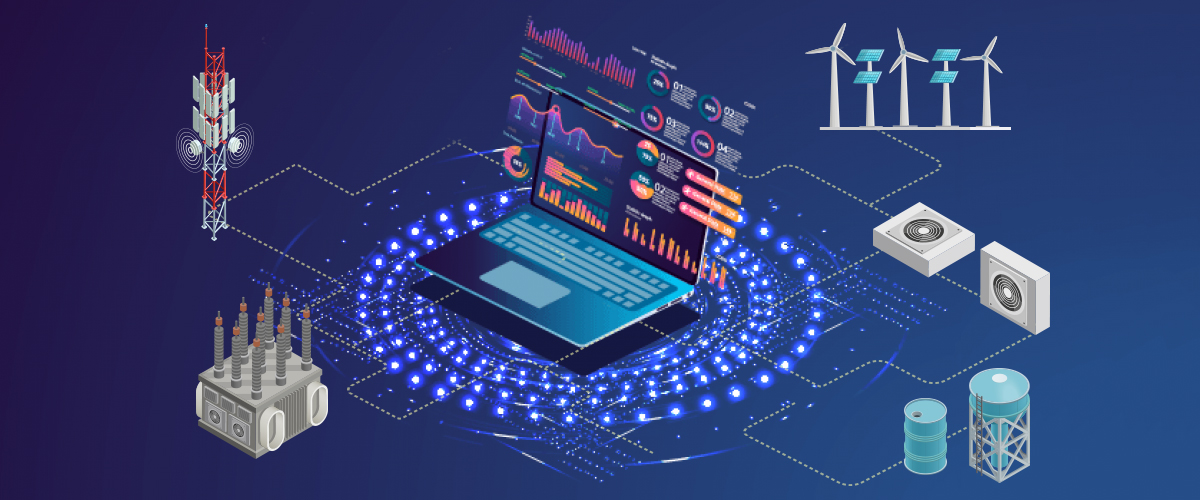
PLC Group’s AQue Platform is a powerful yet scalable software that has the capabilities to integrate intelligent and non- intelligent assets deployed at mission critical facilities infrastructure to connect virtually through SNMP/Modbus/MQTT or TCP IP protocols over the network. The health and stability of an intelligent network demands a robust approach to predict challenges a site can present and help the engineers plan a smart approach to keep the assets running by merely using actionable intelligence for predictive maintenance.

Over the period of eight years, PLC Group developed one of the most advance platforms to help Telco operators make critical and timely decisions that challenged their Capex and, in some scenarios, OPEX spending. Customers’ savings in terms of time and investment were manifold in relation to TCO (Total cost of ownership) The art behind AQue Platform is to gather, analyze, process, and integrate asset optimization. By using advance algorithms, the Platform can keep a live track of resources for their current, historical, and futuristic usage and showcase the data into one single Dashboard for users to plan resource management of the deployed assets to prevent downtime. Post analysis of the data is used to predict steps needed to optimize the network for optimal efficiency, scalability, and future planning. Needless to say PLC’ AQue Platform stands at the paramount of Actionable Intelligence for predictive maintenance of mission critical facilities
infrastructure.

#actionableintelligence #ai #machinelearning #saas #telecom #telecomsites #remotemonitoring #aque

Cooling Strategies for 5G Growth

Eliminate capital expenditure (CAPEX) and provide data driven predictions that optimize cooling assets while lowering the energy and operational costs (OPEX)

5G is already revolutionizing the human experience and raising expectations on availability, speed, and reliability. This is posing a challenge for the Telcos, service providers, and their entire ecosystem. Service providers must scale their facilities for the present and future, with limited CAPEX, environmental considerations and keeping the OPEX lowered.

In this webinar, we explore how some of the industry leaders are already dealing with these challenges and shed light on innovative concepts such as Cooling as a Service. This focuses on eliminating the CAPEX, providing data driven predictions, and optimizing cooling assets while lowering the energy and operational costs (OPEX).

Find answers to the following questions:

  • How will 5G impact the Telecom infrastructure?
  • What are the techniques already tried and tested for scalability and lowered CAPEX and OPEX?
  • How are Telcos preparing to deal with environmental challenges while the demand for cooling is increasing?
  • What is a better financial model?
  • What is Cooling as a Service?
  • What is data-driven Actionable Intelligence from PLC Group and how can this benefit cooling for 5G?

Learn more about our Cooling solutions for Telecom and Data Centres.

Click here to know more about our Cooling Monitoring and Optimization solution.

Innovation keeps businesses in the game. Contact us for more information on how to efficiently streamline your business.

The Importance of Remote Monitoring and Control

Let’s imagine for a moment that you are the captain of an airplane. Sounds pretty neat, right? The only issue is that you are flying in 100% fog with zero visibility. To make matters worse, none of your instruments are working. How can you determine where you are? Where you are headed? Do you even know if you are on or off course? Is there any imminent danger? The bottom line is that you technically lost. You are flying in a vacuum with no indication of where you are or what you should be doing. This is exactly what it is like when you operate your business without Remote Monitoring and Control (RMC). You are essentially operating your company blind. RMC is invaluable in monitoring your company’s network, energy, HVAC systems, generators, tower lights, and so much more!

What is RMC?

RMC is an innovative solution that allows businesses to better understand and control how their resources are being used and identify issues such as failures, breaches, or inefficiencies from one centralized location. The importance of adopting RMC spans across many industries with the most common being:

  • Telecom
  • Data centers
  • Tower companies
  • Critical facilities
  • Oil and gas companies

Commercial real estate – Why Do You Need RMC?

Unfortunately, remote monitoring and control is a vital part of a business enterprise infrastructure that often goes unnoticed. This leads to anywhere from thousands to millions of dollars in lost revenue. Every time an issue occurs with your network, power generators, tower lights, HVAC systems, etc. your CAPEX and OPEX are negatively affected.

Organizations that do not implement remote monitoring and control face substantial challenges including:

  • Lack of direction – Going back to the metaphor at the very beginning, you are essentially flying blind. You do not know where you are going in your organization because you do not have a 360-degree view of where you are.
  • Lack of target goals – It is impossible to make relevant and achievable goals when you are not able to visually see where your company is in terms of true expenditure (including downtime and inefficiencies) and revenue.
  • Lack of accountability – If nobody is responsible for the health of the systems of your company, then no one is going to take accountability for it and check on them on a regular basis. This leads to systems that deteriorate because they are constantly overlooked.
  • Lack of predictive maintenance – Routine and preventative maintenance can reduce downtime, prevent failures, and decrease the risk of costly emergency repairs. Without a system to keep an eye on these systems. You and your team are not able to schedule maintenance ahead of time.
  • An inability to plan – You are unable to plan for upcoming servicing costs and upgrades if you do not have a clear picture of the status of your systems.

Keep a Competitive Edge

Precision management and complete 360-degree visibility of your company and every operating system within it is the key to edging out your competitors and staying at the forefront of your industry. Manually keeping up with systems requires a great deal of time, is inefficient, and can involve human error. However, remote monitoring and control provide real-time analyses and reports of the health of your systems, allowing your team to stay on top of potential issues and use automation to eliminate tedious and repetitive tasks. Please join us for the second part of this two-part series that focuses on RMC as a solution. Learn more about PLC Group’s cutting-edge, end-to-end remote monitoring and control solutions!

Innovation keeps businesses in the game. Contact us for more information on how to streamline your business efficiently.

#remotemonitoring #5g #telecom

The Importance of Remote Monitoring and Control (RMC) – Part 2

As we learned in Part 1: The Problem, operating your business without Remote Monitoring and Control solution (RMC) is similar to flying an airplane through fog with zero visibility. You are operating blind and have no idea whether you are on course or if any dangers lie ahead. To reach your destination, your business needs instruments that show your current status and the target ahead. This allows you to navigate in a pitch-black dark, zero visibility situation. Companies that do not implement Remote Monitoring and Control solution face challenges such as lack of direction, target goals, accountability, and predictive maintenance. RMC is the solution that allows organizations to view real-time analyses and monitor the health of their systems. This is your guide to the advantages of an RMC.

Understanding Where You Are

You have to understand where you are before you can get where you are going. This is true in all types of businesses spanning every industry. Let’s say that one of your company’s goals is to maximize machine performance. This includes minimizing downtime and ensuring that every component of the machine is operating optimally for maximum efficiency. Before you can take the steps necessary to elevate the machine’s performance, you first need a baseline. RMC solution gives you the ability to understand how your machine is currently operating, through real-time numbers and analysis reports so that you and your team can see the steps needed to achieve the desired result.

PLC Group’s RMC solutions are applicable to the following industries:

  • Telecom
  • Data centers
  • Tower companies
  • Critical facilities
  • Oil and gas companies

Identify Areas of Improvement

Let’s go back to the example above, where your goal is to maximize machine performance. To improve performance, you have to identify the specific areas of operation that are working really well, and the areas that need improvement. For example, if the reports tell you that the conveyor belt portion of the machine is running slower than the manufacturer specifications, you know that you need to have the conveyor belt inspected and potentially upgraded. Focus more of your team’s time and energy on the areas that need improvement versus flying blindly and wasting time on areas that are working at maximum efficiency.

Quickly Identify and Resolve Problems

The longer an issue goes unidentified, the bigger the issue becomes, and the more your bottom line is negatively affected. Going back to the problem with the conveyor belt; let’s say that the cause of the conveyor belt’s poor performance has yet to be identified because there is no RMC in place. What is yet to be realized is that the belt is running poorly because it has slightly loosened and is catching on a bolt. Every time the belt catches, it is damaged slightly. Eventually, the belt breaks. The machine is now not just running slow but experiencing downtime until the issue is fixed. Repairs could have been made after-hours, and downtime avoided if the issue was detected sooner with RMC solution.

Stop Procrastinating and Start Planning

Manually tracking systems is time-consuming, costly, and prone to human error. RMC solution gives you a clear picture of the current status of your business’s operations from one easy-to-access centralized location. This frees up you and your team to stop procrastinating and focus on making a plan to maximize your systems’ health. Understand where you are, identify areas of improvement, and quickly identify and resolve issues with RMC.

Final Thoughts

Complete visibility is one of the most powerful tools you can have in your arsenal when running your business effectively. Implementing remote monitoring and control is one of the best ways to increase your bottom line and stay at your respective industry’s forefront. Click here to get started with PLC Group’s comprehensive RMC solutions!

Innovation keeps businesses in the game. Contact us for more information on how to streamline your business efficiently.

#remotemonitoring #5g #telecom

Case Study: Benefits of Using Generator Remote Monitoring (RMC) for Telecom Enterprises

Be Safe, Be Efficient, Reduce Operating Costs:

Benefits of Using Remote Monitoring and Control

As Safety is at the forefront of every business, regardless of scale. Essential services organizations are no exception.

In this particular case, the ones that provide and support reliable communications for households, the field staff’s safety while maintaining minimum physical contact is imperative.

Case Study in Safety, Efficiency and OPEX reduction

In the increasingly competitive environment, MSO’s are continuously challenged to keep the network availability high while keeping operating costs low.

Backup generators play a vital role in case of power outages to keep the services running. There are several points of failure while dealing with the Generators, such as Fuel levels, leakages, startup batteries, block heaters, etc.

Generators require continuous testing to ensure availability in case of power outages due to natural disasters such as snowstorms, hurricanes, and others. This requires ongoing internal or third-party field resources. This task becomes even more challenging in extreme weather conditions.

The current pandemic has made it even harder for adequate safety measures and planning to ensure physical contact and compliance with the health regulations. The safety and security of the personnel coupled with the inefficiency pose a big issue for MSO’s. This is one of the many challenges that may be solved with the PLC AI-based Generator Remote Monitoring & Control Solutions.

This particular case involved multiple installations over a large geographical area, some of which were quite remote. A set run schedule was requiring extensive labour hours, vehicles, drive times, and expenses, taking the time away from other equally critical issues.

Problem Identified

These are the problems identified regarding the Generators’ reliable, safe, and cost-efficient operation for Mission Critical Operations.

  • Genset Periodic and on-demand testing requiring field resources and expertise.
  • Genset Fuel levels and leakage issues could only be physically detected. This could result in non-availability of the fuel when required, as well as environmental impacts.
  • Not detecting Genset battery failures in time, resulting in not running when required.
  • Block heaters year-round fuel consumption.
  • Often times block heaters’ issues remain undetected until the Genset fails to start.

Problem Solved

PLC has made its mission to enable Telecom companies to safely and reliably maintain their facilities network using Remote Control and Monitoring. The added benefits are the OPEX reduction requiring less driving and travel times.

A comprehensive Generator Remote Monitoring solution was deployed, enabling the safe remote testing of the Generators to monitor the following parameters and stats on the go:

  • Real-time fuel monitoring
  • Real-time leakage detection
  • Real-time battery fault detection
  • Real-time block heater energy optimization and failure detection

All of these steps resulted in huge OPEX reduction and improvement in reliability of the Genset assets.

A comprehensive report was issued from the deployed hardware and software that could provide insights into the maintenance of the assets.

Results Delivered and ROI

With many initiatives are competing for the CAPEX within the organizations, it is crucial to choose the initiatives that provide the highest Return on Investment (ROI).

Our Generator Remote Monitoring solution was estimated to deliver the ROI of fewer than 18 months, resulting in ongoing OPEX savings, as well as the following intangible benefits:

  • Network reliability improvement
  • Improved customer client retention
  • Carbon footprint reduction
  • Safe and rapid response time in case of natural disasters
Benefits of Remote Monitoring Solution

Solution Deployed

PLC deployed its proven TCU-800 hardware with various fuel, temperature, and other sensors. The firmware and software provided state-of-the-art GUI that enabled the remote users with easy to perform steps and checks to test the full functionality of the generator operations.

The only requirement from the user was having access to a browser (Such a high bar!). A local 7 inch display was also provided on for local interfacing. The users are able to initiate testing remotely and locally and produce reports in PDF format that could be saved or emailed.

The next step is to initiate predictive maintenance scheduling using AI and automated system-generated testing based on weather forecasts to ensure smooth operations pre-empting any potential issues.

Bringing smart solutions to business problems is especially necessary as businesses face increasing competition. Every dollar saved through efficiency can be reinvested back into your business.

PLC Group’s RMC solutions are applicable to the following industries:

  • Telecom
  • Data Centers
  • Tower Companies
  • Critical Facilities
  • Oil and Gas companies

Innovation keeps businesses in the game. Contact us for more information on how to streamline your business efficiently.

#generator #fuel #telecom

Latest blog

Discover expert advice and
solutions news

Collaboration Form

Connect with Our Experts


For Sales and Partnership:


+ 1 855 PLCGRUP (752 4787) Press 3